
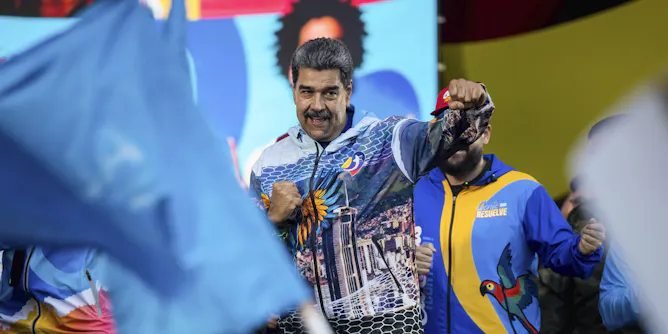
Boycotting elections often contributes to greater authoritarian control and deepens divisions within the opposition.
Articles on Boycott
Displaying 1 - 20 of 39 articles
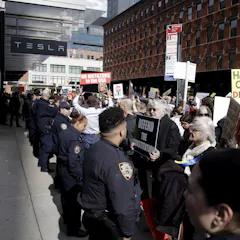
If Donald Trump appears deaf to the protests of other governments over his policies, he may still hear the voice of corporate America should consumer boycotts spread.

Most of us as consumers decide what to buy based on the price and quality of goods. But our values play a role in our decision-making: what we buy and where we buy it is influenced by our beliefs.

If you’re an unhappy voter and want other unhappy voters to hold their noses and vote for the major candidate they least dislike, think about the Golden Rule.

Student protests on campuses are calling attention to atrocities in Gaza and challenging university administrators to divest. What is the best way forward that avoids unnecessary violence?

Consumer psychology can help explain why boycotts sometimes fail, as well as help predict when they are likely to succeed.
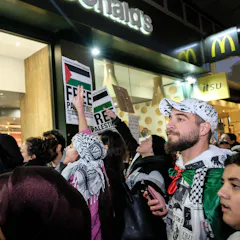
The consumer boycotts over the Gaza crisis are the latest in a long line. Here’s when they’re more effective.
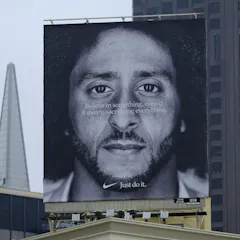
Brands are increasingly taking stances on contentious social issues and facing mass outrage on social media. New research shows that this outrage can benefit brands.

In Tunisia, scapegoating migrants diverts from the continuous failure of government to solve deep economic and social crisis.
We should demand greater social responsibility from businesses, but pressuring them to undertake responsibilities that only governments can address is the wrong way to get there.
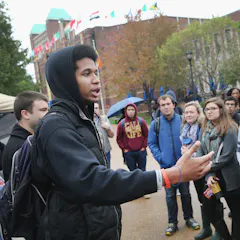
People may be more willing to boycott a retailer over an act of injustice that takes place at the store if the source of the story was Black – even if the incident happened to a white person.

The rapid boycott of Russian companies suggests ‘political consumerism’ has become a new normal for people to protest against governments
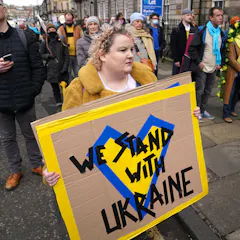
New Zealand consumers are using boycotts of Russian products as a way to voice their disapproval of the war in Ukraine. But is this the best or only way for individuals to be heard?
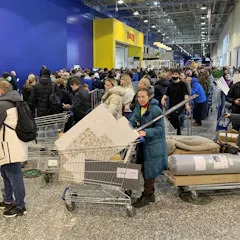
Over 300 companies so far have closed stores, reassigned staff or halted sales in Russia in the two weeks since the invasion began.
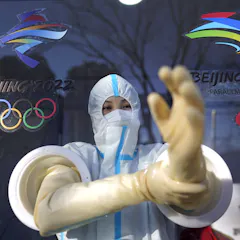
A tight bubble will likely keep the games from becoming a super-spreader event, but how the hosts will handle outspoken athletes remains a concern.
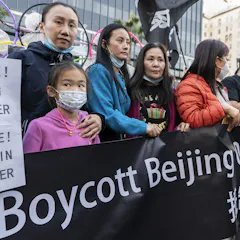
China has been unfazed by diplomatic boycotts by the west. In Beijing’s eyes, the Olympics still have broad support by many nations and, importantly, corporate sponsors.
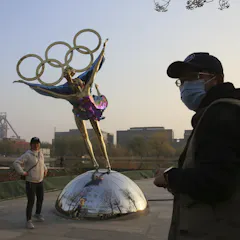
Australia has followed the United States in announcing it will send athletes, but no officials, to the winter games in February 2022 - a move unlikely to make much political difference.
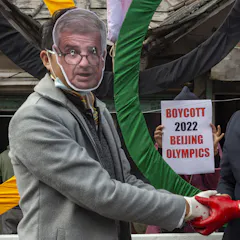
Olympic broadcasters can help Canadians support the Uyghurs, Tibetans, pro-democracy advocates and others fighting for their human rights in China by cancelling their Olympic coverage.
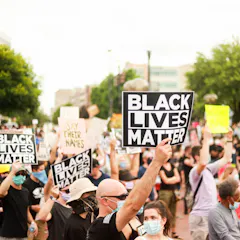
Companies are increasingly taking stands on hot-button political issues from LGBT rights to Black Lives Matter. New research shines light on whether and when it can benefit the bottom line.
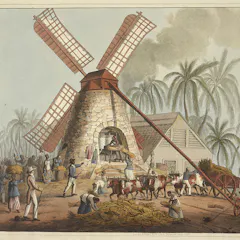
A scholar of slavery in the British Empire describes the first boycott against sugar made with slave labor in the West Indies.
Top contributors
-

Associate Professor, School of Government and International Relations, Griffith University
-
Postdoctoral Research Fellow, School of Government and International Relations, Griffith University
-
Lecturer, Royal Holloway, University of London
-
Professor of Political Economy, University of the Witwatersrand
-
Distinguished Professor, Arthur J. Gosnell Professor of Economics, & Head, Department of Sustainability, Rochester Institute of Technology
-
President and Vice-Chancellor, UNSW
-
Associate Professor in Marketing, University of Birmingham
-
Course Leader, BA (Hons) Fashion Journalism, London College of Fashion, University of the Arts London
-
Professor of History, Western Illinois University
-
Universities Australia
-
Dean (Academic) Arts, Education and Law, Griffith University
-
Reader (Associate Professor) in Sport Policy and Politics, University of Birmingham
-
Distinguished Research Professor and Australian Laureate, James Cook University
-
Professor of Marketing and Sustainability, Heriot-Watt University
-
Vice-Chancellor, Deakin University