
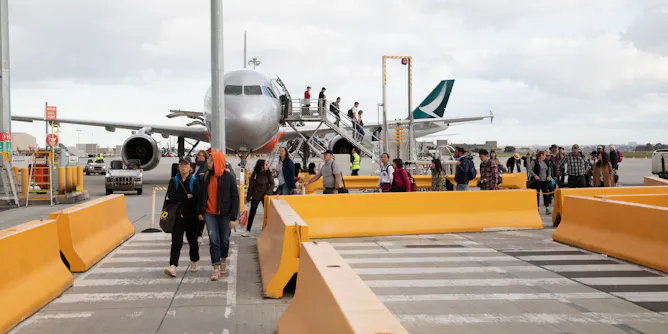
COVID-19 halted immigration and housing affordability got much worse. We’d feel the impacts of internal migration and undersupply of affordable housing even if we again blocked migrants from overseas.
Articles on border closures
Displaying 1 - 20 of 24 articles
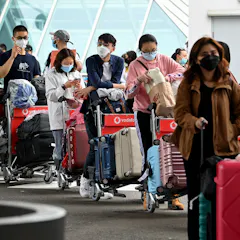
The recent increase in net-overseas migration has been due to policies that enabled people to remain in Australia rather than policies enabling more people to arrive.
An ageing labour force and ongoing border closures will put severe pressure on
New Zealand’s economic reliance on immigration.

As global travel slowly resumes and many young people start thinking about working overseas again, global competition for this market will be intense.
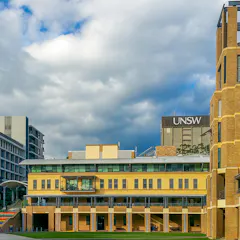
Revenue fell by more than $2 billion in 2020 – less than feared – but universities are increasingly vulnerable to worsening conditions, with losses of international students accelerating.
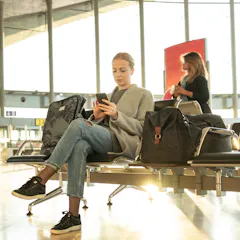
If we open up the international borders before enough of the population is vaccinated, hospitals could become overwhelmed and deaths would be unacceptably high.
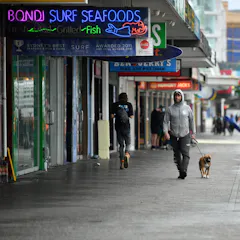
Our research shows the government must help tourism operators address chronic staff shortages, skyrocketing insurance and developing better plans for future shocks.
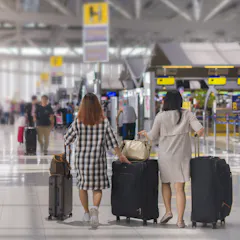
Even when we immunise all Australians who want to be protected against COVID-19, we’re unlikely to achieve herd immunity through vaccination alone. We need three other measures to open our borders.
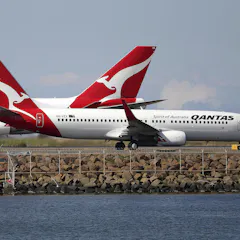
More than two-thirds of requests to go to the UK were approved, compared to just 46% for trips to India and 59% to China.
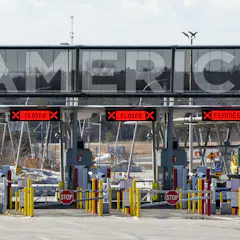
Pressure is mounting to reopen the Canada-U.S. border, but there are risks. How well those risks are managed may be the difference between pandemic recovery or a fourth wave of COVID-19.
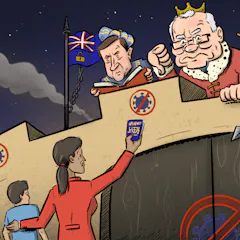
We can’t retreat to the comforts of ‘Fortress Australia’ if we want to remain a country that is engaged with the world.
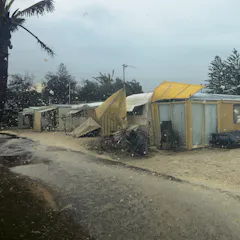
Low-income retirees have long found affordable housing in caravan parks and relocatable home estates. But they are becoming harder to find, and often come with a risk of hazards such as flooding.

International students have been admirably persistent in studying online for more than a year. But as other countries open their doors, Australia risks losing them if it fails to show they are wanted.
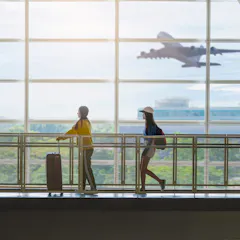
Our current quarantine capacity would take six months to handle the return of 150,000 existing students, but 70,000 new students every six months would also be needed to halt the fall in enrolments.
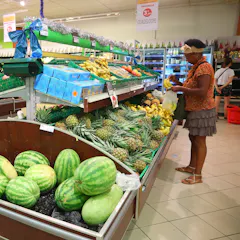
Debt relief would improve Caribbean states’ response to global crises.
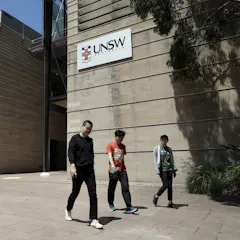
Universities and the international education sector have developed a number of concrete plans to bring international students to Australia. But they have all been shelved without a clear explanation.
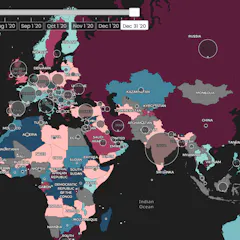
Last year, 189 countries – home to roughly 65% of the global population – cut themselves off from the world at some point. Borders are now reopening and travel resuming, but normal is a ways off.

Chinese international students stuck offshore due to border closures face shame, family tension and pressure to give up their dreams of studying in Australia. Some are even being urged to get married.

Closing borders is a popular policy in the UK, but it brings limited effectiveness at great human cost.
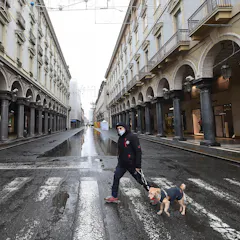
Analysis of smartphone data shows why countries need to coordinate border closures to stop the spread of the new variant.
Top contributors
-

Professor and Director, Mitchell Institute, Victoria University
-
Reader in Human Geography, Royal Holloway, University of London
-
Lecturer in Property Economics, University of Technology Sydney
-
Associate Professor of Politics and Journalism, Griffith University, Griffith University
-
Director, School for the Visitor Economy, Victoria University
-
Chair in Epidemiology, Deakin University
-
Policy Fellow, Mitchell Institute, Victoria University
-
Sessional Lecturer, Munk School of Global Affairs and Public Policy, University of Toronto
-
Research Fellow, Centre for International Research on Education Systems, Mitchell Institute, Victoria University, Victoria University
-
Acting Director, Sydney Policy Lab & Professor of Practice (Sociology and Political Theory), University of Sydney
-
Professor in Urban Geography, Macquarie University
-
Professor and Tier 1 Canada Research Chair in Global Health Governance; Scientific Co-Director, Bridge Research Consortium, Simon Fraser University
-
PhD Candidate, Geography and Planning, Queen's University, Ontario
-
WorldPop Director, Professor of Spatial Demography and Epidemiology, University of Southampton
-
Honorary Professor of Demography, Centre for Health Policy, The University of Melbourne