
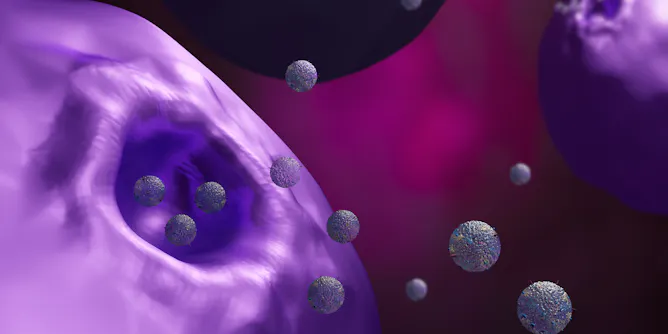
People with an active case of shingles have up to an 80% higher risk of stroke than those without. The increased risk is highest for patients under 40.
Articles on Blood clotting
Displaying all articles
Blood plays a vital role in keeping us alive, from delivering oxygen to the body’s organs to fighting off infections.
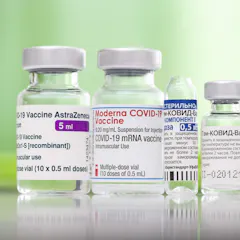
One study found antibody levels were significantly higher in people who received one dose of AstraZeneca then a Pfizer booster dose.
Current assessments of the risk of blood clots are still uncertain.
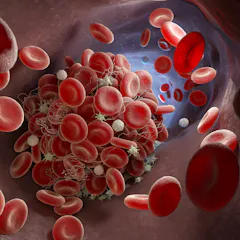
The mechanisms behind vaccine-related and pill-related clots are quite different.
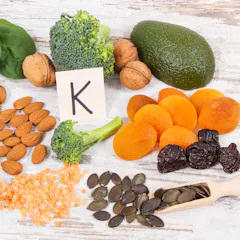
A research lab at Tufts University is trying to find out how the vitamin may protect against age-related disease.
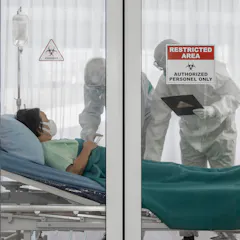
It’s early days yet but a growing body of research evidence suggests COVID-19 causes abnormalities in blood clotting, which means blood thinning drugs may have a role to play in treatment.

Why did a fit, healthy man have so many blood clots in rapid succession, despite blood-thinning treatment?

COVID-19 causes blood clots in some people. If these clots get into the lungs, brain or heart, they can cut off blood supply and oxygen, causing pulmonary embolisms, strokes or heart attacks.

While PPS is approved in oral capsule form to treat bladder inflammation, it is not yet approved as in injection for knee and bone problems. But AFL players have been given special access.

Warfarin is a blood thinner that has been used for more than 60 years to help prevent clots and strokes. But it also increases the risk of bleeding.

Many venoms contain bioactive components that are so stable to the body’s enzymes and selective of their biological target that they’re increasingly being used as novel research tools.
Top contributors
-

Interventional Cardiologist, Alfred Hospital; Professor of Medicine and Immunology, Monash University; Professor and Head, Department of Cardiometabolic Health, University of Melbourne; Lab Head, Atherothrombosis and Vascular Biology and Deputy Director, Baker Heart and Diabetes Institute
-
Haematologist and PhD student, Baker Heart and Diabetes Institute
-
Research Fellow, Baker Heart and Diabetes Institute, Haematologist, Alfred Hospital, Baker Heart and Diabetes Institute
-
Senior Principal Research Fellow; paediatrician; infectious diseases epidemiologist; vaccinologist, The University of Melbourne
-
Consultant Neurologist and Honorary Associate Professor, UCL
-
Professor of Pharmaceutical Chemistry, Macquarie University
-
Head of School and Dean of Pharmacy, University of Sydney
-
Scientist I, Vitamin K Research Team at the USDA Human Nutrition Research Center on Aging at Tufts University, Tufts University
-
Clinical researcher, Murdoch Children's Research Institute
-
Professor of Clinical Neurology, UCL
-
Associate Professor of Neurology, University of Colorado Anschutz
-
Professor of Medicine and Chief, Division of Hematology, Sylvester Comprehensive Cancer Center, University of Miami
-
Senior Lecturer & Deputy- Head of the Medical Education Research Quality Unit, School of Public Health and Preventive Medicine, Monash University
-
Researcher in Interventional Cardiology, RCSI University of Medicine and Health Sciences
-
Professor & Director, Centre for Pain Research, Institute for Molecular Bioscience, The University of Queensland