
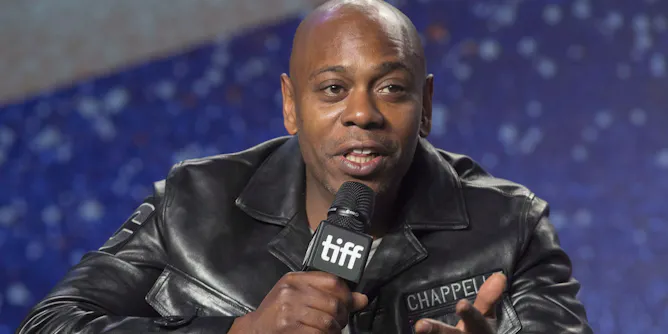
In this episode of Don’t Call Me Resilient, host Vinita Srivastava and scholar Cheryl Thompson dive into the meaning of the n-word and the 150 years of racism embedded in it.
Articles on Black History Month
Displaying 61 - 80 of 110 articles
This is the full transcript for Don’t Call Me Resilient, episode 1: What’s in a word? How to confront 150 years of racial stereotypes and language.

‘Uncle Tom’s Cabin,’ the best seller of the 19th century, is not a relic from the past. The complex Uncle Tom figure still has a hold over Black politics.

Don’t Call Me Resilient is a provocative podcast about race that goes in search of solutions for those things no one should have to be resilient for.

Although millions voted to put her face on the bill in an online poll, many still don’t know the story of her life and the role faith played in it.
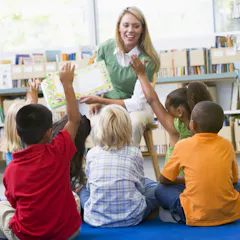
My research shows that white trainee teachers are willing to learn and to bring black history into their teaching, but need support to do so.
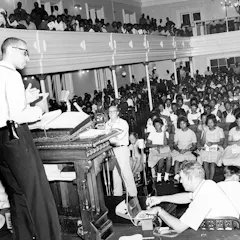
In a sermon two weeks after MLK’s funeral, civil rights leader, Wyatt Tee Walker, urged young seminarians to be hopeful and take action for making change happen. His sermon has valuable lessons today.
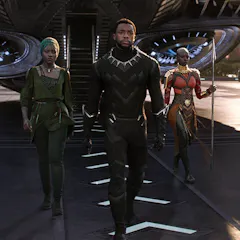
Afrofuturism allows Black people to not only imagine their distant futures but also how to survive the anti-Black present.
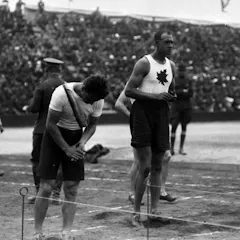
Canada’s pioneering Black athletes may be unknown to many, but their efforts paved the way for others who went on to perform at the highest levels.

The Canadian soldiers who took part in one of the biggest feats of the War of 1812 included Black soldiers of the 104th New Brunswick Regiment of Foot.
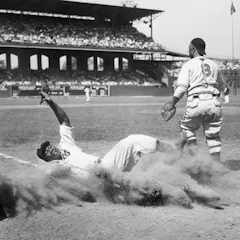
While segregation was a shameful period in baseball history, the Negro Leagues were a resounding success and an immense source of pride for black America.
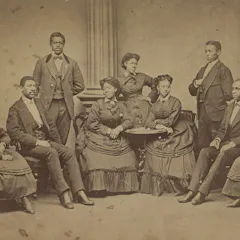
Spirituals were created out of the experience of enslaved people in the US. They weren’t songs of anger – but of an abiding belief in the victory of good over evil.
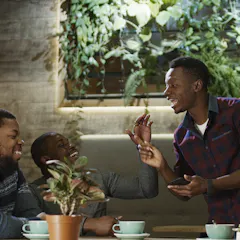
African American Vernacular English is part and parcel of Black identity. Its distinctive linguistic features are — wrongly — denigrated.
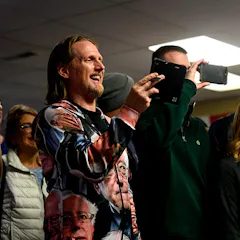
Schools and colleges can teach political hope that can help citizens make better choices.
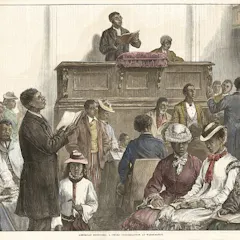
Many historians and other scholars say what Americans have traditionally learned about the complex period that followed the Civil War falls short of what we should know.
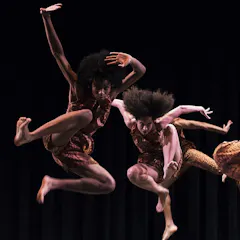
COBA, the Collective of Black Artists has been working to introduce Canadian audiences to African and Caribbean dances for 25 years.

Thanks to a long history of exclusionary government programs, the typical black family now has only 10 cents for every dollar held by the typical white family.
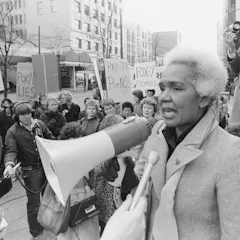
Do Canadians like their activism to be communicated in the safest and blandest manner possible?
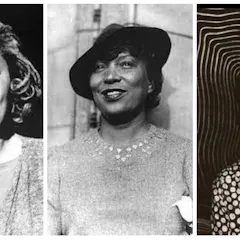
Here is a small list of pivotal texts by African American women from the past century.
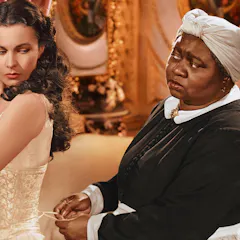
Stereotypes of Black women continue to impact how they are treated in institutions.
Top contributors
-

Canada Research Chair, Professor in Performance, Toronto Metropolitan University
-
Assistant Professor, RTA School of Media, Faculty of Communication and Design Forum, Toronto Metropolitan University
-
Professor of Education and Affiliate Faculty in Philosophy, University of Cincinnati
-
Assistant Professor, Anthropology, University of Manitoba
-
Professor of Music, University of Dayton
-
Director of the Center for Anti-Racism, Temple University
-
Derek H. Alderman is a Friend of The Conversation.
Chancellor's Professor of Geography, University of Tennessee
-
Professor of Geography and Senior Research Associate in the Rock Ethics Institute, Penn State
-
Assistant Professor of Secondary Social Studies, West Virginia University
-
Professor, Journalism Department, UMass Amherst
-
PhD candidate, Department of Education, York University, Canada
-
Professor of History, American University School of International Service
-
Professor of Political Science and Africana Studies, University of Connecticut
-
Professor of Fashion, Toronto Metropolitan University
-
Undergraduate journalism major, UMass Amherst