
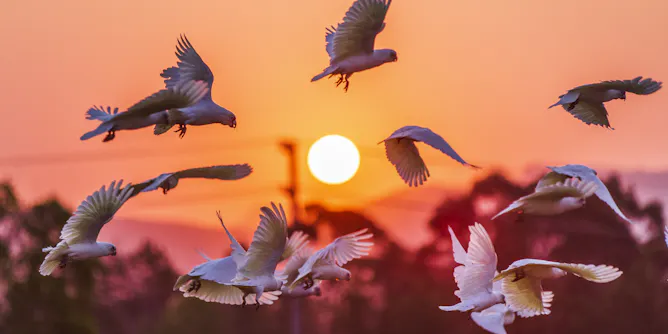
As a lethal bird flu spreads in Australian wildlife, it can be easy to think nothing can stop it. That’s an error – much can be done.
Articles on Bird flu
Displaying 21 - 40 of 123 articles
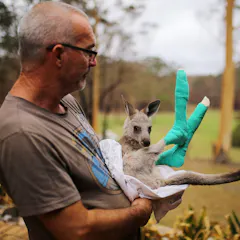
Volunteers have been a mainstay of conservation in Australia. As bird flu spreads, they must be supported – and kept safe.
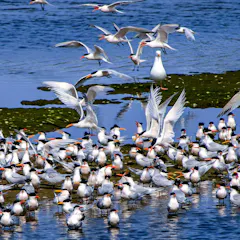
We cannot stop wild birds from flying. But we can control whether this becomes an unmanaged catastrophe or a closely tracked outbreak.
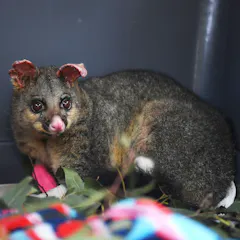
Helping distressed wildlife without seeking advice may sometimes do more harm than good – as two experts explain.
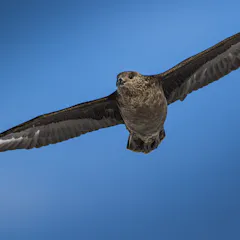
The confirmation of the bird flu virus in a brown skua appears to be a single detection. Ongoing surveillance will be essential to detect any further cases.
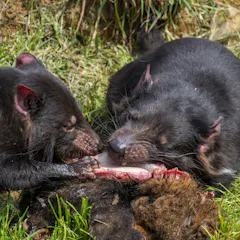
Animals that feed on infected carcasses could be accelerating the spread of the H5N1 strain.
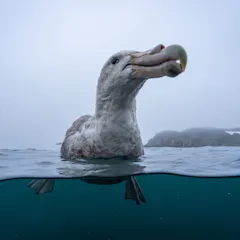
Another apparent case of H5 avian influenza in a wild bird is a cause for concern – but it’s not the same as an outbreak.
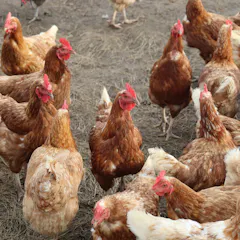
The poultry industry is on high alert. But authorities have had years to prepare for this moment and plans are being put in place.
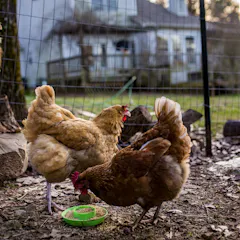
Domestic pet owners, particularly those with chicken flocks, should be on alert for signs of this highly infectious virus.
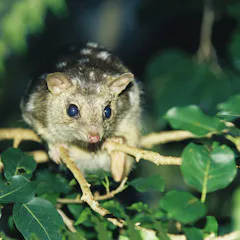
The arrival of the H5N1 strain may threaten our most vulnerable species.
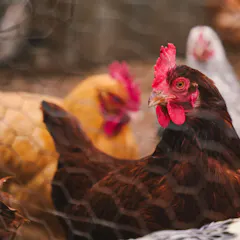
The outbreak isn’t widespread, so the risk to humans is low. But it does have the potential to cause severe illness.
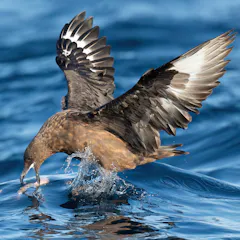
An ecologist explains how Australia can curb the spread of the H5N1 strain.
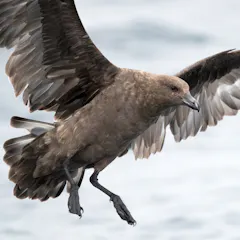
This is not the moment to call defeat. There is a chance we can stop this infectious virus, this time at least.

This latest trial hopes to test the vaccine in people who are most at risk of acquiring bird flu.
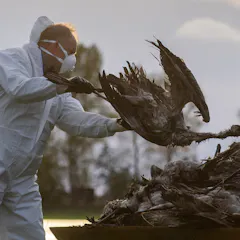
Bird flu is spreading globally and getting closer to New Zealand. Its arrival may be a matter of when, not if – and the risks are significant.
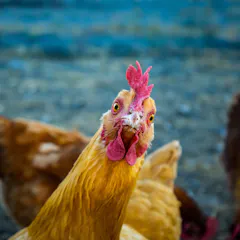
A first human H9N2 bird flu case in Europe has been detected in Italy. A virologist explains why the current risk is low and what to watch next.

Viral infections are on the rise and spreading across the globe.
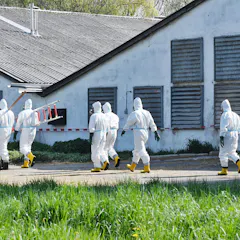
H5N1 has a 50% fatality rate in humans. Yet we’re dismantling the systems designed to catch it early.
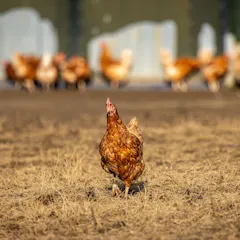
A patient in Washington state has died from H5N5 bird flu, the first known human infection with this virus – but experts say the wider risk remains low.
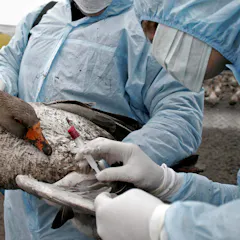
The virus hasn’t yet adapted to spread to humans, but it’s not getting any less likely.
Top contributors
-

Senior Lecturer in Southern Ocean Vertebrate Ecology, Institute for Marine and Antarctic Studies, University of Tasmania
-
Senior research fellow, The University of Melbourne
-
Professor, MRC-University of Glasgow Centre for Virus Research, University of Glasgow
-
Professor of Global Biosecurity, NHMRC L3 Research Fellow, Head, Biosecurity Program, Kirby Institute, UNSW
-
Research assosciate MRC University of Glasgow Centre for Virus Research, UNSW
-
Professor and Webster Family Chair in Viral Pathogenesis, University of Otago
-
Professor in Wildlife Ecology and Conservation, School of Life & Environmental Sciences, Deakin University
-
Professor of Infectious Diseases, Monash University
-
Distinguished Professor of Infectious Disease Epidemiology and Public Health, Te Kunenga ki Pūrehuroa – Massey University
-
BBSRC Discovery Fellow, University of Oxford
-
Executive Director, Global Nexus and M.G. DeGroote Institute for Infectious Disease Research, McMaster University
-
Professor and Tier 1 Canada Research Chair in Global Health Governance; Scientific Co-Director, Bridge Research Consortium, Simon Fraser University
-
Lecturer, Biological Sciences. Institute of Innovation, Science and Sustainability, Federation University Australia
-
Catedrático de Microbiología. Miembro de la Sociedad Española de Microbiología (SEM), Universidad de Navarra
-
Professor of Immunology and Associate Dean, Research and Graduate Studies, University of Guelph