
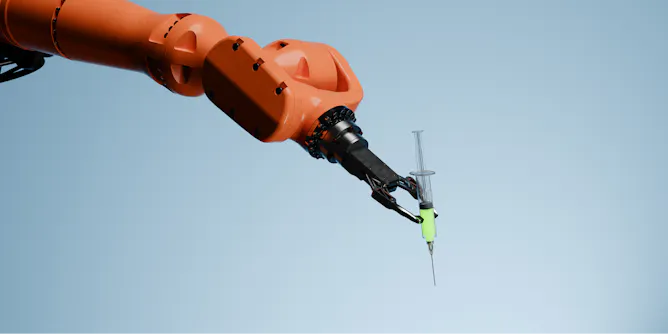
Researchers have found that even people with limited experience in biology can use AI to help them create a dangerous pathogen.
Articles on Bioterrorism
Displaying all articles
Rabies, for example, is a naturally occurring ‘zombie’ disease.
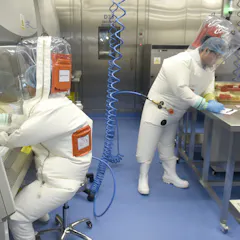
We may never know whether the pandemic began with a leak at the Wuhan lab. But even the possibility shows we need a universal biosafety code to prevent something similar happening in future.
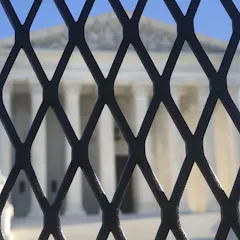
National security must be redefined to reflect new sources of security threats of the type that occurred at the U.S. Capitol.
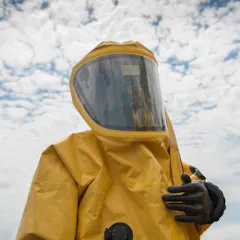
Countries closed their borders in response to COVID-19, but international cooperation and technology sharing could improve recovery against pandemics and potential bioterrorist attacks.
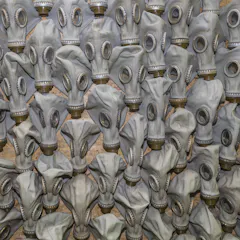
As the COVID-19 pandemic exacerbates global economic and health insecurities, opportunities to emulate the pandemic’s effects with bioweapons affords terrorists a new model.
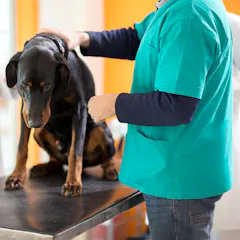
Anthrax is best known as a bioweapon. But researchers have figured out how to tweak the deadly toxin and use it to fight cancer. So far, dogs are the first to benefit from the new therapy.
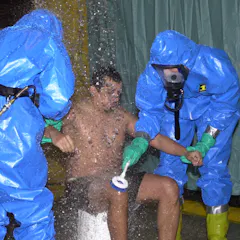
Talk of bioterrorism might provoke fears of smallpox and anthrax, but mundane threats like salmonella may pose greater danger. And experts say that the U.S. is not prepared for an attack.
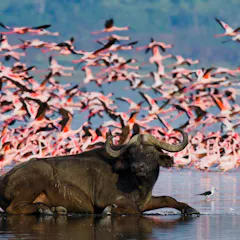
Outbreaks often affect the same areas because, once released, the bacteria continues to live as spores in the soil.

Biologists’ growing reliance on computers advances the field – but comes with new risks. The first step toward improved cyberbiosecurity is increasing awareness of possible threats.
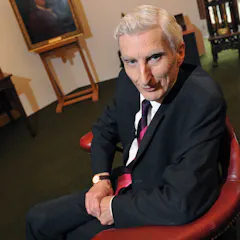
The Astronomer Royal answers some of the world’s – and the universe’s – biggest questions.
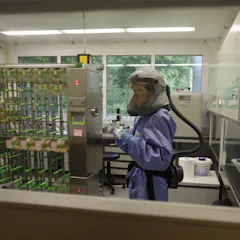
Biosafety needs to be about more than personal protective equipment and safe laboratory practices. Don’t forget the cybersecurity.
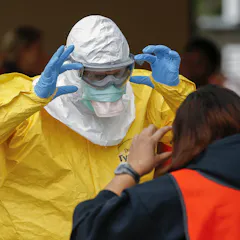
Like SARS and swine flu before it, Ebola has put the threat of pandemic disease back in the spotlight. But this time, the debate has reached far beyond what happens “if” or “when” a natural outbreak goes…
Top contributors
-

Associate Professor and Canada Research Chair, Department of Chemistry and Biochemistry, University of Lethbridge
-
Masters Student, Biomolecular Interactions and Biophysical Modelling of RNA viruses, University of Lethbridge
-
Associate Professor of Environmental & Occupational Health, Saint Louis University
-
Postdoctoral Researcher in Chemical and Biological Engineering, Colorado State University
-
Emeritus Professor of Cosmology and Astrophysics, Institute of Astronomy, University of Cambridge
-
Professor of Law, University of Waikato
-
Senior Scientist, International Livestock Research Institute
-
Assistant Professor, Department of Economics, York University, Canada
-
Senior Lecturer (Associate Professor) in Bio-Law, Brunel University of London
-
Professor of Law, Villanova University
-
Associate Professor of Biological Sciences, Purdue University
-
Postdoctoral Fellow, Washington State University
-
Professor, Abell Chair in Synthetic Biology, Colorado State University
-
Associate Professor of Data Science, University of Virginia
-
Professor of International Relations, Royal Holloway, University of London