
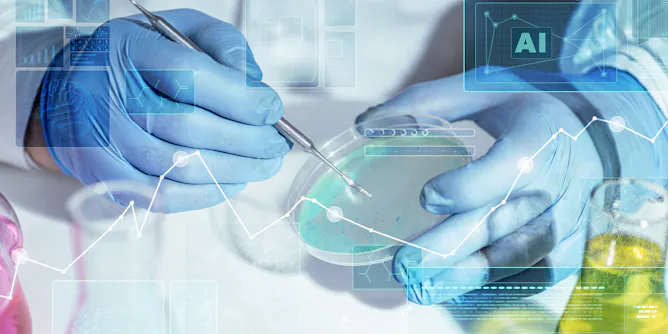
From AI models to synthetic DNA screening and outbreak surveillance, there are several points where emerging biological risks could be reduced.
Articles on Biosafety
Displaying all articles
Researchers have found that even people with limited experience in biology can use AI to help them create a dangerous pathogen.
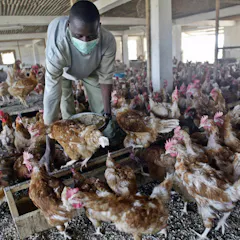
People should minimise contact with birds in areas affected by bird flu viruses, including farms and settings where live animals may be sold or slaughtered.
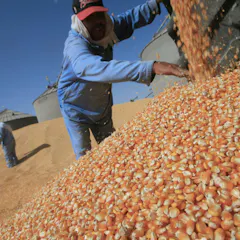
Kenya’s GMO policy about-turn was underpinned by improved safeguards on top of a commitment to review each new application on a case-by-case basis.
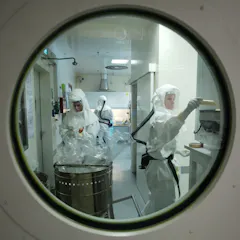
A centralized reporting system for laboratory incidents involving dangerous pathogens in biological research does not exist in the US or internationally.

The microbiologist who directs the National Emerging Infectious Diseases Laboratories at Boston University explains all the biosafety precautions in place that help him feel safer in the lab than out.
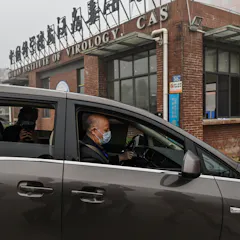
The research community is taking a closer look at the lab-leak hypothesis for the origin of COVID-19, prompting discussion about the risks and benefits of engineering viruses.
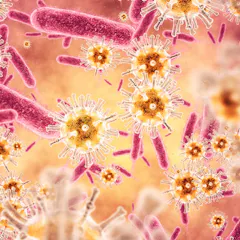
Scientists get up close and personal with deadly pathogens to give doctors the tools they need to treat people sickened by germs. The key is keeping the researchers – and everyone around them – safe.
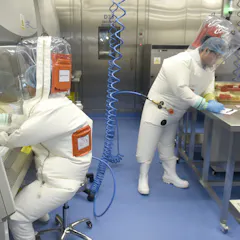
We may never know whether the pandemic began with a leak at the Wuhan lab. But even the possibility shows we need a universal biosafety code to prevent something similar happening in future.
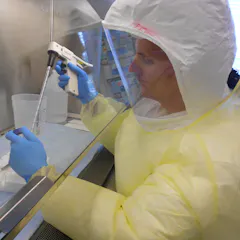
To find a SARS-CoV-2 vaccine, scientists need to work hands-on with the highly infectious coronavirus. It happens in a super secure lab designed to keep them safe and prevent any escapes.
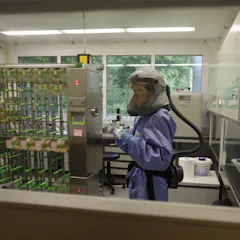
Biosafety needs to be about more than personal protective equipment and safe laboratory practices. Don’t forget the cybersecurity.

In the science world, laboratories are essential but safety precautions should be taken to prevent any incidents like the Ebola outbreak or biochemical attacks.
Top contributors
-

Biosafety Director and Responsible Official, Colorado State University
-
Associate Vice President of Compliance and Research Administration, University of Nevada, Reno
-
Professor of Law, University of Waikato
-
Senior research fellow, Harvard Kennedy School
-
Assistant Professor of Veterinary and Biomedical Sciences, Penn State
-
Interim Director and Professor of the School for the Future of Innovation in Society, Arizona State University
-
Director of the National Emerging Infectious Diseases Laboratories and Chair of Microbiology, Boston University
-
Executive Director of Bio Policy & Leadership Initiatives at Stanford University, Stanford University
-
Associate Dean for Research and Graduate Education and Professor of Physiological Sciences in the College of Veterinary Medicine, Oklahoma State University
-
Lecturer of Food Science and Technology, Department of Dairy and Food Science and Technology., Egerton University
-
Professor of Veterinary Microbiology, University of Ibadan
-
Associate Professor of Data Science, University of Virginia
-
Associate Professor, School of Chemical, Materials and Biological Engineering, University of Sheffield
-
Director, International Centre for Genetic Engineering and Biotechnology, University of Cape Town
-
Professor of Biomanufacturing, School of Chemical, Materials and Biological Engineering, University of Sheffield