
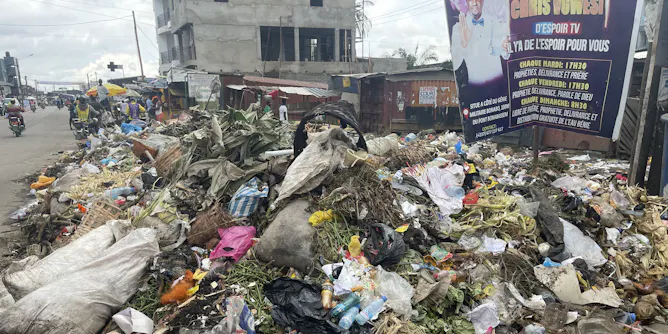
Only 43% of Cameroon’s urban residents have their garbage removed from their homes. Other garbage ends up dumped, burned or placed in overflowing communal bins.
Articles on Biogas
Displaying all articles
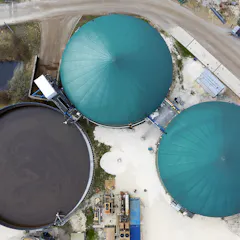
Integrating biogas, heat and floating solar panels on wastewater ponds could generate enough electricity to supply about 27% of households with renewable energy.
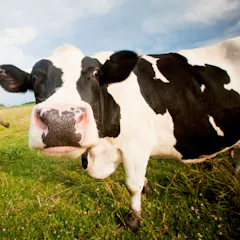
New research shows huge potential for biogas production from methane emissions from slurry on dairy farms.
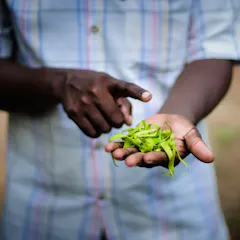
Biogas systems that generate cooking gas from plant waste can be relatively low-cost to set up. They come with environmental and health benefits for rural people who have only firewood to cook with.
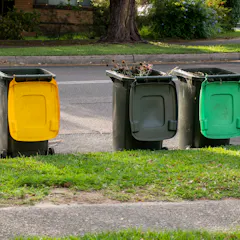
Most food waste still goes into red bins of mixed waste bound for landfill. It’s using up precious landfill space and harming the environment when it could produce valuable compost and biogas instead.

The world is facing one of the century’s biggest challenges: How to nutritiously feed the growing population, address climate change and not destroy the ecosystems on which we all depend for life.

Electricity, not what the EU calls ‘renewable gases’, offer the fastest route to decarbonising heating.
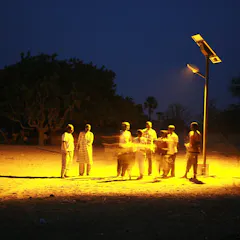
Current approaches to expand renewable energy in Ghana are not inclusive of the rural poor.
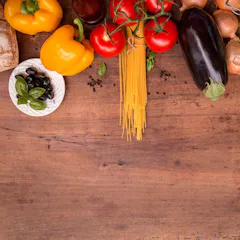
Biogas is often overlooked as a source of renewable energy, but it could be a solution to dealing with the 9.5 million tonnes of food waste created by the UK every year.
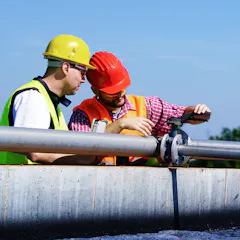
The trial represents the chance to demonstrate an internationally proven technology on Australian soil - turning human waste into a carbon neutral energy source.
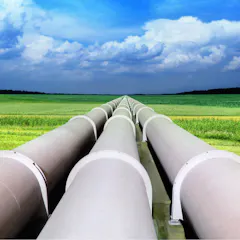
By embracing natural gas made from renewable sources, we can still use gas for heating, cooking and industry, while slashing greenhouse emissions and even keeping much of the same infrastructure.
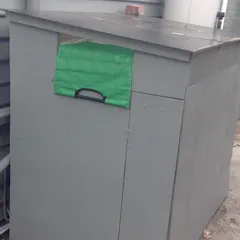
Australians love cooking with gas, but what if you could make your own supply, using leftover food waste? It may be time for more households to embrace home biogas – and stop paying gas bills.
Top contributors
-

Professor and Director Centre for Agricultural Engineering, University of Southern Queensland
-
Academic Director, School for International Training, The University of Melbourne
-
Senior Research Fellow, Centre for Environmental Research Innovation and Sustainability (CERIS), Atlantic Technological University
-
Director of the Arrell Food Institute and Professor in the Dept. of Geography, Environment and Geomatics, University of Guelph
-
Research Officer, Centre for Environmental Research Innovation and Sustainability (CERIS), Atlantic Technological University
-
Research Associate in Sociology, University of Surrey
-
Professor of Waste Management, The University of Queensland
-
Professor and Dean of The Ontario Agricultural College, University of Guelph
-
Reader in Energy Policy, University of Aberdeen
-
Director, Food and Agriculture Institute, University of The Fraser Valley
-
Postgrad Research Fellow at UWA AfREC, The University of Western Australia
-
Professor of Rural and Regional Development at the Tyndall Centre for Climate Change Research, University of East Anglia
-
Lecturer in Business Management (Entrepreneurship and Innovation), Lincoln University, New Zealand
-
Assistant Professor, Sophia University