
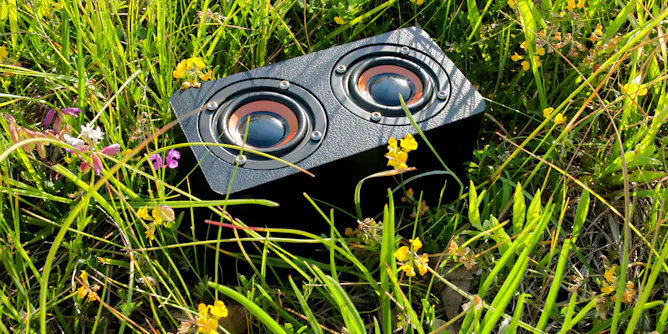
Imagine using tailored soundscapes to restore ecosystems, simply by amplifying recordings of sonic cues that attract wildlife, stimulate plant growth and rebuild relationships between species.
Articles on Bioacoustics
Displaying all articles
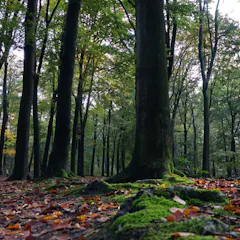
Acoustic technology allows us to listen to the sounds produced by the creatures in forest soils. A new study shows it’s a reliable way to monitor the biodiversity and health of the soil and forest.
Growing research shows that fish produce sounds that other creatures listen to to find food and avoid becoming prey. A new database compiles research on these fish sounds.
CC BY-NC-ND9.16 MB (download)
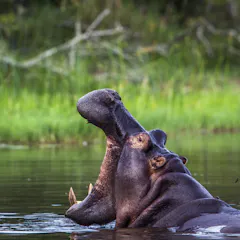
Hippos are very vocal creatures. They display certain aggressive behaviour when strangers are in their territory.
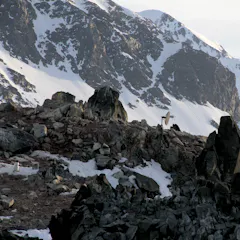
From the bioelectric bleeps of plants to the intergalactic bloops of colliding black holes, sound gives us new ways to experience the world.

There is plenty of work to do to ensure that other species, geographical areas and ecosystems across Africa are better understood through bioacoustics.

The ocean is naturally noisy. Here’s what all the buzz is about.
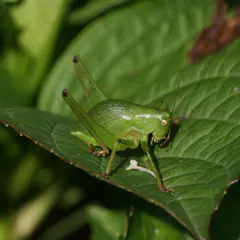
CC BY-NC-ND11.4 MB (download)
The ears of bush crickets are found on their forelegs.

There is a promising trend of growing research and training in statistical ecology in Africa.

Artificial light, from low-level backyard lighting to lights in office buildings and skyscrapers, distract migratory birds with deadly effects.
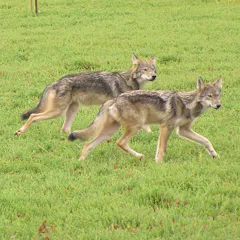
Tracking wild animals can provide lots of valuable data. New research suggests audio recordings of wild wolves can replace the typical radio collars, which can be expensive and intrusive.

A robust technique using the wonders of digital media has helped researchers understand how threatened species like frogs are faring on our globally changing planet.
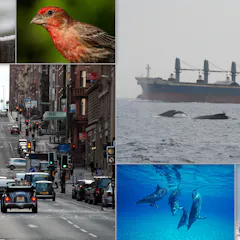
Noise pollution, whether on land or under water, can affect animals in interesting – and not always positive – ways.

Rapid changes in technology are transforming the contributions ordinary citizens can make to scientific research.
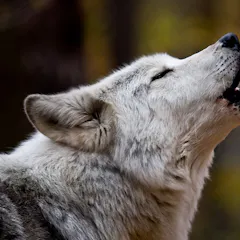
The ominous howl of the wolf has long been a source of fear and fascination for mankind. But new research shows they are not so different from people – for every wolf has its own distinct voice. By recording…
Top contributors
-

Associate Professor in Biology, Flinders University
-
Ecologist and Researcher, Flinders University
-
PhD Student, Nottingham Trent University
-
Senior Research Scientist, U.S. Geological Survey and Adjunct Professor, University of Minnesota
-
Senior Lecturer in Zoology, Bangor University
-
Assistant Professor of Biology, Carthage College
-
Emeritus Professor of Ecology, University of Salford
-
Postdoctoral Research Fellow, University of Cape Town
-
Postdoctoral researcher in the Department of Zoology and Entomology , University of the Free State
-
Assistant Professor Conservation in Socio-Ecological Systems - CSES Research in Aquatic Systems, Universidade de Lisboa
-
Senior Lecturer in Environmental Assessment - Director of Ecoacoustics, Nottingham Trent University
-
Professor and Associate Dean of Science, University of Windsor
-
Postdoctoral Research Officer, University of Oxford
-
Professor & Head of the Department of Life Sciences, Aberystwyth University
-
Research Scientist, Fisheries, University of Victoria