

Big Pharma in Canada is far behind the curve when it comes to disclosing what payments to health-care professionals are for.
Articles on Big Pharma
Displaying 61 - 80 of 119 articles

Noted physician and author Atul Gawande was named CEO of a new health care venture aimed at cutting costs and improving care. But the most important man to keep an eye on in this effort isn’t Gawande. It’s the middleman.

The US is currently short on 182 drugs and medical supplies. The problem isn’t new, but it’s frustrating health care workers.

The logic behind U.S. president Donald Trump’s proposal that Canada and other countries have been “free-riding” off high prices in the United States is bizarre at best.

How a technology born from finance – the blockchain – can help the pharmaceutical industry to carry out clinical trials that protect patients.

The Saint Regis Mohawk tribe has struck a multimillion-dollar deal with Allergan. But the deal may do more harm than good.
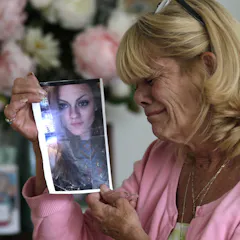
Your guide to a public health crisis that’s likely to get worse.
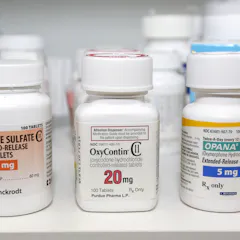
How can we fight the opioid epidemic? Redesign the drugs, rethink how we assess patients and mandate prescription monitoring.

Drug prices in Australia are three times higher than in New Zealand. A key reason is the lack of transparency about taxpayer subsidies for Big Pharma and the companies’ own finances.

In an era when opinion often trumps evidence in public health issues, it’s time to support and invest in evidence-based medicine to protect the public from dangerous, poorly informed beliefs.

The state of Ohio filed a lawsuit against opioid manufacturers. Will their legal arguments hold up in court – and what will it mean for other cities and states going after big pharma?

Drug companies funded more than 116,000 educational events for doctors over four years. Now you can find out exactly which companies footed the bills and how much they paid.

More of us are labelled as sick with the constantly changing diagnostic cut-offs for diseases. Now an international expert panel has drafted a list of things to consider before setting new thresholds.

Intuitively, it might seem desirable to speed up access to medicines. But this means more drugs will be approved that may subsequently prove unsafe or ineffective.

We have barely begun to tap into the pharmaceutical potential of the most diverse animals of all.

Children’s cancer is a rare disease, which means the market is small and pharmaceutical companies have few incentives to develop drugs for these cancers.

The maker of the EpiPen has raised the price of two injectable treatments to about US$600, six times the price nine years ago. Why do drug companies do this? Because they can. The FDA ends up helping.

Feel-good fudges designed to boost staff morale are giving way to tangible projects which can be reported to shareholders.

An important new study in the United States has found doctors who receive just one cheap meal from a drug company tend to prescribe a lot more of that company’s products.

What will happen to immigration, wages and the economy has been discussed at length. But the price of drugs may also be affected.
Top contributors
-

Associate professor, Department of Family and Community Medicine, University of Toronto; York University, Canada; University of Sydney
-
Senior Research Manager, University of Sydney and Honorary Assistant Professor, Bond University
-
Professor of Bioethics, Macquarie University
-
Associate Professor, School of Law, University of Canberra
-
Professor of Bioethics & Medicine, Sydney Health Ethics, Haematologist/BMT Physician, Royal North Shore Hospital and Director, Praxis Australia, University of Sydney
-
Assistant Professor of Resource Economics, UMass Amherst
-
Professor in Pharmaceutical Policy, School of Pharmacy and Charles Perkins Centre, University of Sydney
-
Macquarie University Research Fellow, Macquarie University
-
Professor of Medicine and Public Health, University of Colorado Anschutz
-
Adjunct associate, Lancaster University
-
Associate Professor Politics and Policy Studies, Deakin University
-
Health activist, Medreach Pty Ltd., Bond University
-
Research Fellow, Asia Pacific Social Impact Centre, The University of Melbourne
-
Professor of Accounting, Durham University
-
Associate professor, School of Biomedical Sciences, University of Leeds