

A major lesson from the COVID-19 pandemic is the need to decolonize transnational governance so that the world is better able to handle both future and current global crises.
Articles on Big Pharma
Displaying 21 - 40 of 119 articles
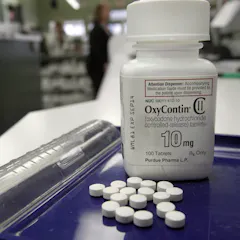
The Purdue Pharma settlement is paltry compared to costs of the opioid crisis. Without major changes to pharma industry regulation, there is little reason to think a similar crisis won’t occur again.

Waiving patent rights on COVID-19 vaccines and drugs is still crucial to ensure access globally, but the waiver on the table at the June World Trade Organization meeting doesn’t do the job.

Boosters and vaccinating children mean we’re relying on two pharmaceutical companies to supply Australia’s COVID vaccines. That needs to change.
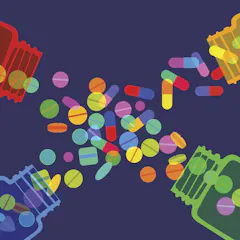
Drug repurposing can redeem failed treatments and squeeze out new uses from others. But many pharmaceutical companies are hesitant to retool existing drugs without a high return on investment.

Changes to Canada’s Patented Medicine Prices Review Board regulations have been postponed for a fourth time in two years as Canadians continue to pay some of the highest drug prices in the world.

Generic drug names are often long, but they can tell doctors what type of medicine it is and how it works. But it’s brand names that appear first and most prominently in Health Canada materials.

When drugs are taken off the market because they are either unsafe or don’t work, do pharma companies admit that there are problems? Or do they deny the evidence?
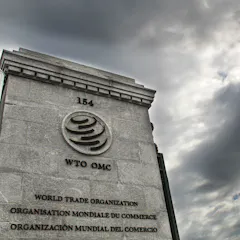
With the World Trade Organization’s 12th Ministerial Conference – arguably its most important ever – happening next week, attempts to keep it ‘on life support’ may be counterproductive.

A new study suggests the market alone will not deter or punish pharmaceutical companies whose products turn out to have adverse effects after they have been approved.

If no action is taken to address antibiotic resistance, infections from multidrug-resistant bacteria could cause 10 million deaths each year by 2050.

Each dose of Pfizer has a long and complex path involving mixing, storage at temperatures colder than the South Pole and specific protocols that must be followed before it becomes a jab.

The COVID pandemic is giving drug companies an opportunity to reset their image. So how did they get so big and their credibility sink so low?

If Big Pharma wants to achieve the ultimate image makeover, it must capitalize on the current public good will about its COVID-19 vaccines by prioritizing socially responsible practices.

The pharmaceutical industry overall has been deeply opposed to waiving COVID-19 vaccine patents, but a historian of the industry explains that drug companies once opposed patents altogether.
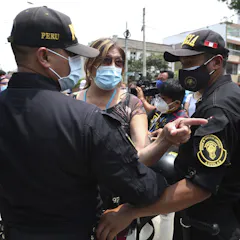
A vaccination queue-jumping scandal in Peru has caused a massive uproar in the South American country. It could also be a wake-up call for all nations.

As the eradication of polio and the successful rollout of AIDS treatments have shown in the past, global cooperation in the face of COVID-19 is possible.

We should applaud drug companies for developing COVID-19 vaccines in record time, but let’s not be under any illusion about the profits that are motivating them.

COVID-19 vaccines are at risk of being undermined by vaccine hesitancy. Pharma must take steps to ensure transparency in data monitoring committees and trial data to build public trust in vaccines.

Patients have a stake in the relationship between doctors and pharmaceutical companies, so the CMA’s current review of its guidelines for doctor/pharma interactions is everybody’s business.
Top contributors
-

Associate professor, Department of Family and Community Medicine, University of Toronto; York University, Canada; University of Sydney
-
Senior Research Manager, University of Sydney and Honorary Assistant Professor, Bond University
-
Professor of Bioethics, Macquarie University
-
Associate Professor, School of Law, University of Canberra
-
Professor of Bioethics & Medicine, Sydney Health Ethics, Haematologist/BMT Physician, Royal North Shore Hospital and Director, Praxis Australia, University of Sydney
-
Assistant Professor of Resource Economics, UMass Amherst
-
Professor in Pharmaceutical Policy, School of Pharmacy and Charles Perkins Centre, University of Sydney
-
Macquarie University Research Fellow, Macquarie University
-
Professor of Medicine and Public Health, University of Colorado Anschutz
-
Adjunct associate, Lancaster University
-
Associate Professor Politics and Policy Studies, Deakin University
-
Health activist, Medreach Pty Ltd., Bond University
-
Research Fellow, Asia Pacific Social Impact Centre, The University of Melbourne
-
Professor of Accounting, Durham University
-
Associate professor, School of Biomedical Sciences, University of Leeds