

Some thought Dan Ariely’s faked data study might be a blow to behavioural science, but actually its exposure shows how behavioural scientists are rooting out false research.
Articles on Behavioural science
Displaying 21 - 40 of 55 articles
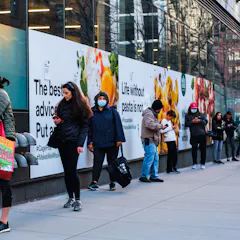
A society in crisis is more than the sum of its flawed parts.
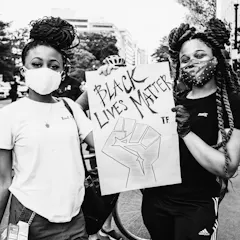
Putting a monetary value on compensation for grave historic wrongs and deciding who should benefit is fraught with difficulties. But there may be another way to look at the whole issue.
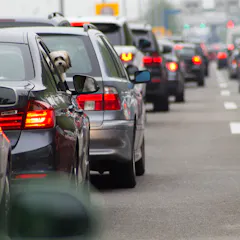
An environmental psychologist on what the behavioural science says.
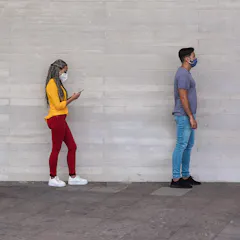
The Conversation is bringing together three experts in human behaviour for an online discussion about how this virus has changed us, and how long the effects might last.
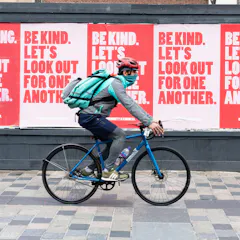
Since the pandemic began, we’ve surveyed ordinary people to see how they’re coping. People from poorer backgrounds, ethnic minorities and young people are suffering most.

A new study documents the influence of Greta Thunberg on the public’s motivation to act on climate change.

Introverts tend to overestimate the negatives of acting like an extravert and underestimate the positives.

With many more months of lockdowns, mask mandates and quarantining in our futures, the government needs to get its messaging just right and we all need to manage our expectations appropriately.

Personal stories work better than statistics when it comes to converting sceptics.
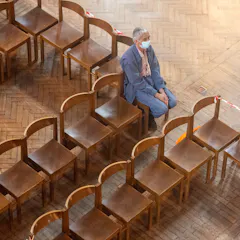
The government should be more honest about what it sees as an acceptable level of risk.

Balancing the benefits and harms of face-mask wearing.
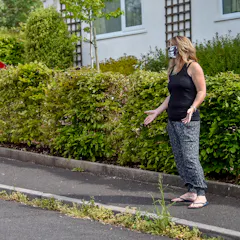
Will people keep social distancing now that the lock down is eased? Our research shows that what matters is people’s own motivation, not the threat of fines.

Behavioural science explained.

The response to coronavirus shows us that people can still work together to do the right thing.

We don’t always realise it, but emotions play a positive role in decision making.
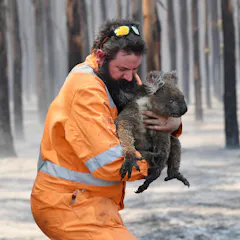
For many Australians, the bushfire disaster could represent a turning point: the moment they adopt new, long-term behaviours to help nature.

Finding out what would motivate people to reduce their carbon emissions can be determined by examining behaviour.

We all like to think of ourselves as heroes. But according to science, the vast majority of us wouldn’t be prepared to rebel against totalitarian rulers.

Some children’s tantrums, irritability and defiance well exceed that typically found in healthy children of the same age. This can be overwhelming for parents, especially as children grow.
Top contributors
-

Professor of Economics and Behavioural Science, University of Stirling
-
Professor of Behavioural Science, Warwick Business School, University of Warwick
-
Professor of Policy Impact, University of Leeds
-
Professor of Economics, Tasmanian Behavioural Lab, University of Tasmania
-
Professor of Law, University of Oregon
-
Professor of Psychology, Cornell University
-
Professor of Marketing, University of Chicago
-
Lecturer in Sustainablity, Fashion and Retail, University of Leeds
-
Sessional Lecturer, Department of Economics, The University of Melbourne
-
Professeur Stratégie & Management de l'Innovation, TBS Education; European Academy of Management (EURAM)
-
Professeur Stratégie, Entrepreneuriat & Innovation, TBS Education
-
Full Professor of Marketing, iaelyon School of Management – Université Jean Moulin Lyon 3
-
Assistant Research Professor of Computation, Organizations and Society, Carnegie Mellon University
-
University Professor, Harvard University
-
Lecturer in the School of Psychological Science, University of Bristol