

The boundaries of heterosexuality are bending for women but not for men, who appear to have less room to explore and are bound to a more rigid, traditional concept of masculinity.
Articles on Behavior
Displaying 1 - 20 of 30 articles
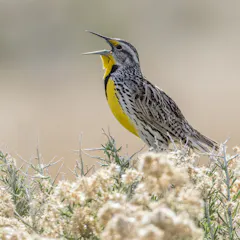
Listening to bird songs and calls can help identify species and connect with the sounds of nature. An ornithologist provides tips and tricks to bird by ear.
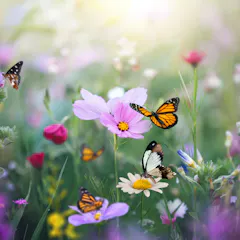
Uniquely colored flowers with big blooms might make for an aesthetically pleasing garden, but they can be unhelpful to pollinators. Careful consideration can help you plan a colorful and eco-friendly garden.
Human psychology is influenced by a complex network of genes and environmental factors. Studying how and when genes fail to cooperate could broaden our understanding of behavior.
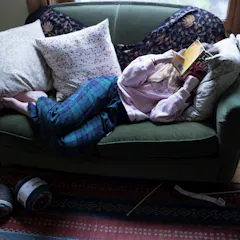
It turns out that identifying as a reader can be more about community, wealth and gender than how much someone actually reads.
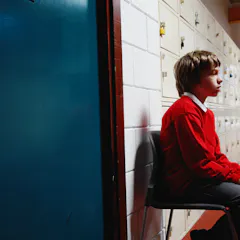
Debates about school discipline have become polarized between proponents of restorative justice and those who believe a get-tough approach is required.

Traditional report cards sent home every few months are fine for most students. But for kids with behavioral issues, a daily report card can be a better option.
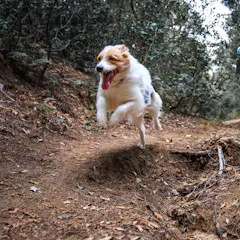
A series of studies found that exposure to dogs leads people to make riskier financial decisions, while interactions with cats have the opposite effect.
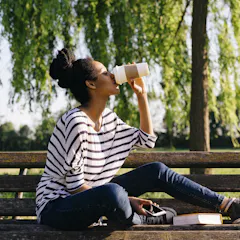
Understanding and changing the environment in which habits form is a critical step when it comes to breaking unwanted behaviors and forming healthy ones.

Dissociation can be a healthy part of cognitive functioning, provided it doesn’t get in the way of your goals.

‘Hustle culture’ is so pervasive in U.S. society that not even the coronavirus pandemic could shake the urge to prioritize productivity.
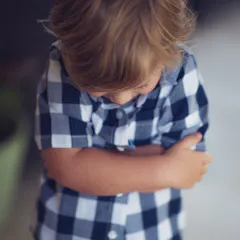
An early childhood development expert explains why so many preschoolers are kicked out of child care, and what to do if it happens to your child.
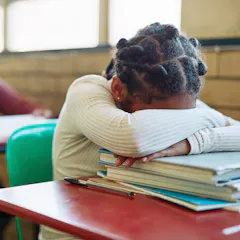
Abuse, neglect or witnessing violence at home can lead kids to misbehave. Some schools are doing away with expulsions to focus on childhood trauma instead.

A parent’s or grandparent’s stressful experiences change how their offspring behave. And it turns out that moms’ experiences produce different changes in kids than dads’.
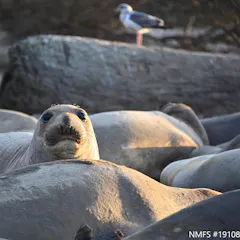
By measuring how and when elephant seals sleep, researchers were able to figure out how elephant seals change their risk-taking behavior as they gain weight.
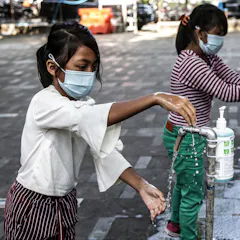
People often turn to rituals to promote health and reduce anxiety during periods of high risk.

Too much screen time doesn’t leave enough time for other important parts of growing up. Predicting which little kids will likely grow into heavy tech users could help target educational campaigns.
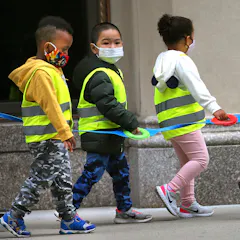
Kids ages 3 to 6 may be missing out on important social, emotional and behavioral lessons during at-home learning.
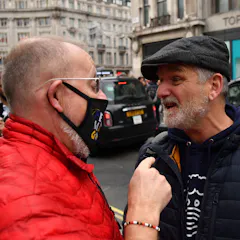
Here’s how governments can get more people to follow COVID-19 guidelines.
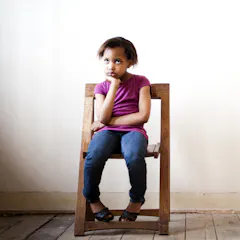
Having loads of extra quality time with a toddler or preschooler and feeling flustered? Make sure you know how and where to do this basic disciplinary method the right way.
Top contributors
-

Associate Professor, Department of Social Work and Women, Gender, & Sexuality Studies, Binghamton University, State University of New York
-
Instructor, Department of Psychology and Women, Gender, & Sexuality Studies, Binghamton University, State University of New York
-
Associate Professor of Economics, HEC Paris Business School
-
Associate Professor of Economics, University of Miami
-
Research Scientist and Museum Educator, Smithsonian Institution
-
Professor of Psychology, Skidmore College
-
Physician and Assistant Professor of Medicine, University of Virginia
-
Professor of Applied Developmental Psychology, University of Maryland, Baltimore County
-
Director, Institute for Social and Health Equity, University at Albany, State University of New York
-
Professor of Psychology, Cornell University
-
Associate Professor of Economics, Rady School of Management, University of California, San Diego
-
Emerita Provost Professor of Psychology and Business, USC Dornsife College of Letters, Arts and Sciences
-
Associate Professor of Publishing, Portland State University
-
Professor of Urban Studies and Public Health, Georgia State University
-
Associate Professor of Women, Gender and Sexuality Studies, Binghamton University, State University of New York