
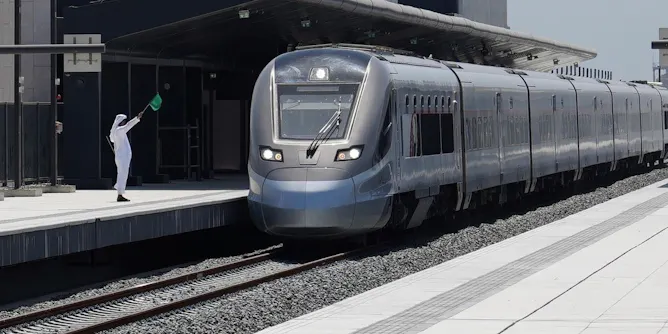
Once completed, the 2,177-kilometer GCC Railway will connect six Gulf kingdoms and provide alternative routes to Europe and Asia.
Articles on Bahrain
Displaying 1 - 20 of 25 articles
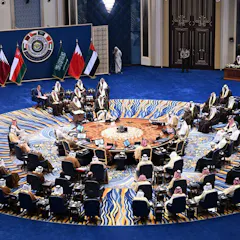
The Gulf Cooperation Council was formed after the Iranian Revolution of 1979. Since then, GCC members have tried different strategies to contend with Tehran.
The Iran war is affecting the whole Middle East. An expert on the region looks at four key issues that shed light on the war’s likely end and political consequences.

Key sources of drinking water have been targets in past conflicts. And Iranian strikes have already hit close to some.
Qatar, the UAE and other Gulf nations have spent years cultivating an image of being an oasis of stability in the Mideast. The current war risks undoing all that work.
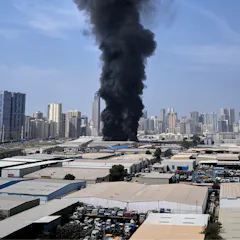
By using its drone and missile arsenal on its neighbours, Iran is telling the region, and the world, the regime will not go quietly.

The Abraham Accords peace deal was supposed to herald a new era for the Middle East. Yet the fault-lines remain as deep as ever.
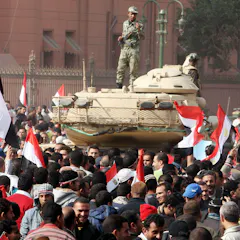
The underlying issues of inequality, corruption and poverty are still dogging the region, ten years after the protests.
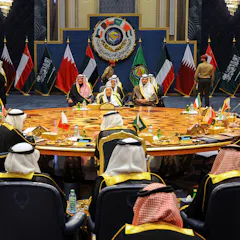
Underlying issues which led to the three-year dispute have not been resolved.

Opportunities for dramatic change rarely arise in the Middle East. But now is such a time.

Sports diplomacy has eased relationships between nations before – here’s how it could help Israel, Bahrain and the UAE as they enter into new peace accords.
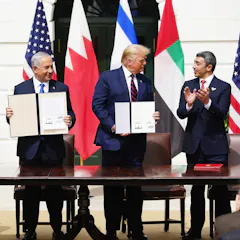
‘Beta testing’ of bold ideas is rare in foreign affairs, but the UAE and Bahrain have provided just such a test case for the Saudis in their own push to normalise relations with Israel.
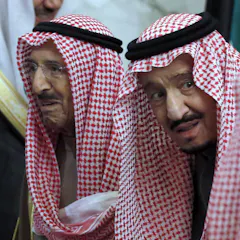
Gulf monarchies emerged from the Arab Spring relatively unscathed, while some Middle East republics were devastated by civil war. Here’s how they managed — and how education may have played a part.
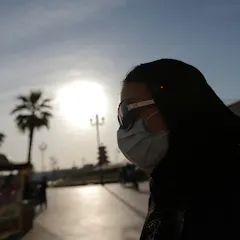
Gulf states have given women great education, but they are still very limited participants in the workplace.

The states of the Gulf Cooperation Council have exploited the underlying threats of the virus to bolster their own survival strategies.
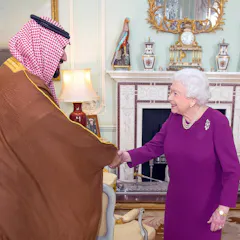
To ensure its energy security and influence in the Gulf region, the United Kingdom will likely deepen its relations with GCC nations in a post-Brexit world.
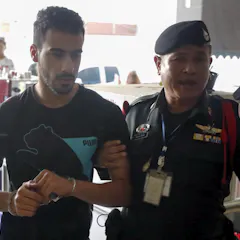
FIFA can act quickly and decisively for its sponsors. Now it must act for the human rights of one of its footballers.
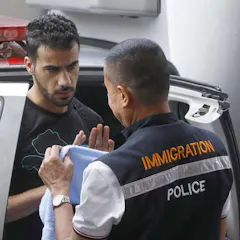
Interpol red notices play an important part in international policing. Here’s how they work and how the system could be improved to safeguard human rights.
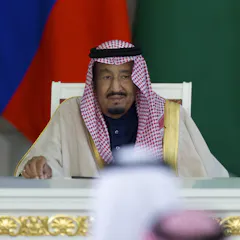
When it comes to foreign policy, Saudi Arabia has recently become far more aggressive. A historian of the modern Middle East sees three possible causes for the shift.
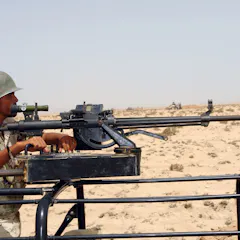
Qatar withdrawing its troops has reignited tensions between Eritrea and Djibouti which the UN and African Union are trying to mediate. This comes as Eritrea is also embroiled in the Yemen civil war.
Top contributors
-

Professor of International Relations, Lancaster University
-
McMaster University
-
PhD Student, UMass Boston
-
Research Fellow, Institute of Arab and Islamic Studies, University of Exeter
-
Professor of Modern Middle Eastern History, University of California, Los Angeles
-
Postdoctoral Researcher in Middle East Politics, Lancaster University
-
Doctoral Research Candidate in the School of Government and International Affairs, Durham University
-
Researcher in International Development; Assistant Consultant, Oxford Policy Management
-
Professor of Finance, European Business School, EBS Paris
-
Director of the Curtin Extremism Research Network (CERN), Curtin University
-
Sarah Joseph is a Friend of The Conversation.
Professor of Human Rights Law, Griffith University
-
Loughborough University
-
Research Fellow, School of Law, The University of Queensland
-
Lecturer in Middle East Studies, Deakin University
-
Fellow for the Middle East at the Baker Institute, Rice University