

Once completed, the 2,177-kilometer GCC Railway will connect six Gulf kingdoms and provide alternative routes to Europe and Asia.
Articles on Gulf Cooperation Council (GCC)
Displaying 1 - 20 of 28 articles
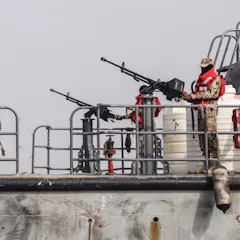
The ongoing war in Iran has created an expanding zone of risk for shipping, including for Saudi Arabia’s strategy of redirecting oil exports away from Hormuz.
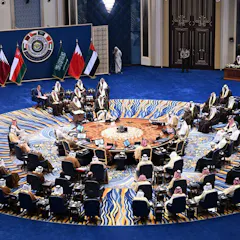
The Gulf Cooperation Council was formed after the Iranian Revolution of 1979. Since then, GCC members have tried different strategies to contend with Tehran.

UAE wants to increase its production of oil beyond the quotas it is alloted by the oil-producing cartel.
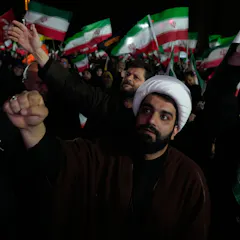
Wars that define eras are remembered not just for how they are fought, but for what follows. For Canada, the end of the Iran war will be a chance to lead with clarity, consistency and purpose.
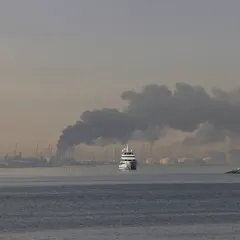
Qatar, the UAE and other Gulf nations have spent years cultivating an image of being an oasis of stability in the Mideast. The current war risks undoing all that work.
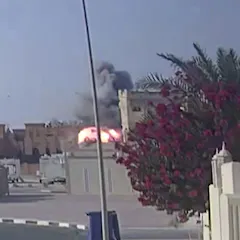
The region’s authoritarian leaders have been buoyed by the loss of Iranian power. But such victories mask a region that is still very much beset by danger.

The states of the Gulf Cooperation Council have exploited the underlying threats of the virus to bolster their own survival strategies.
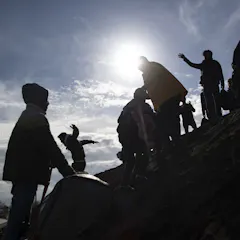
How the humanitarian consequences of the Syrian crisis have spilled across the region.
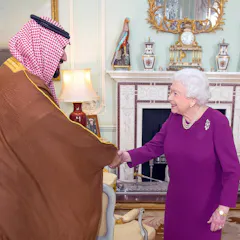
To ensure its energy security and influence in the Gulf region, the United Kingdom will likely deepen its relations with GCC nations in a post-Brexit world.
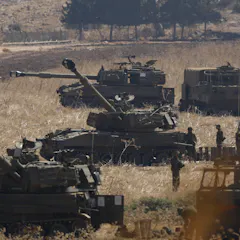
Saudi Arabia and Israeli in balancing act after strikes on Iran-backed militias.
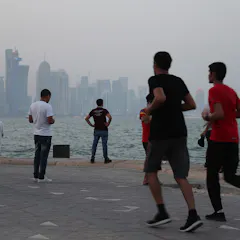
Qatar’s decision to aid Turkey in the face of American sanctions against the country may finally be a snub too far for its close relationship with the US.
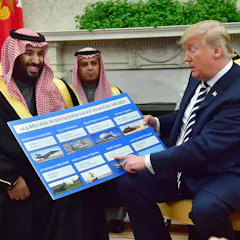
Without strategic clarity from the US, the Saudis and their allies are under little pressure to thaw their frozen relationship with Qatar.
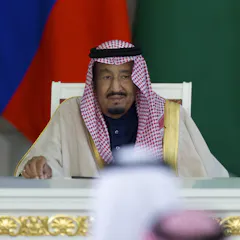
When it comes to foreign policy, Saudi Arabia has recently become far more aggressive. A historian of the modern Middle East sees three possible causes for the shift.
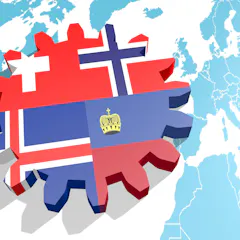
The UK was a founding member of EFTA in 1960 and only left to join the EU.
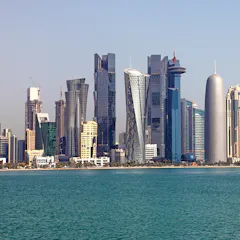
Saudi Arabia and the UAE led a group of countries that have severed all ties to fellow American ally Qatar over its foreign policy. The US will play a key role in whether it accedes to their demands.
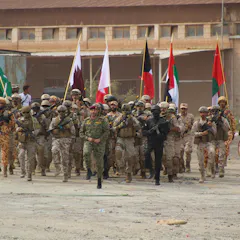
The ongoing diplomatic spat with Saudi Arabia has isolated Qatar from the rest of the Middle East while also undermining the anti-Iran alliance among the Gulf countries.

Saudi Arabia and Qatar have butted heads before, but this time seems different.
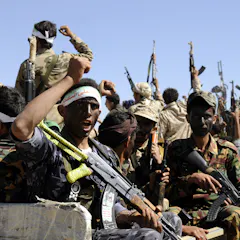
As one of the world’s messiest conflicts, the war in Yemen seems to defy any political resolution.
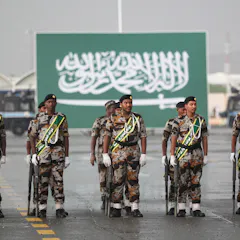
The interventionist foreign policy of the Gulf states is increasingly at odds with their economic security.
Top contributors
-

Professor of Middle Eastern Studies and Public Policy and Director of the Interdisciplinary Studies Institute, UMass Amherst
-
Henry J. Leir Professor of Practice in Economics of the Middle East, Brandeis University
-
PhD Student, UMass Boston
-
Fellow for the Middle East at the Baker Institute, Rice University
-
Lecturer, School of Informatics and Computing, Indiana University
-
Professor of Finance, European Business School, EBS Paris
-
Associate Professor, London School of Economics and Political Science
-
Associate Professor, School of History and Philosophy, UNSW
-
Associate Professor of International Relations, Gulf University for Science and Technology
-
Postgraduate Researcher, Department of Government, University of Essex
-
Research Fellow at the School of Government and International Affairs, Durham University
-
Professor of European Politics, Queen's University Belfast
-
Professor of Law, King's College London
-
Professor of Modern Middle Eastern History, University of California, Los Angeles
-
Post-doctoral Research Associate, Peace and Conflict Resolution Evidence Platform (PeaceRep), University of Edinburgh