
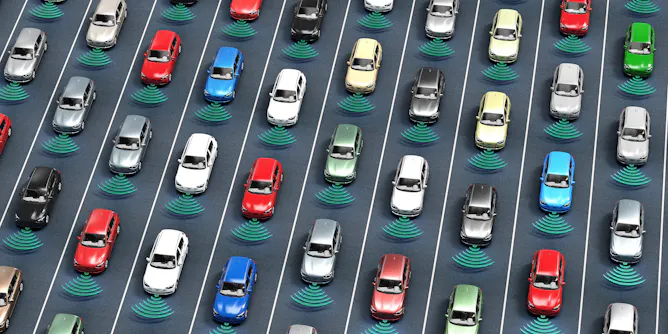
Self-driving vehicles that constantly roam the streets looking for passengers could overwhelm cities. But, if kept in check, these vehicles could be useful for improving urban transport.
Articles on Autonomous vehicles
Displaying 41 - 60 of 169 articles
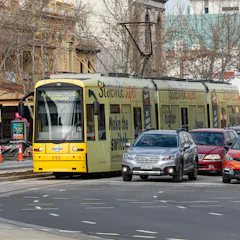
Scenarios based on a survey of Adelaide commuters and analyses of traffic flows show it’s possible the congestion could get worse in the transition to driverless vehicles.

Research shows we’re pretty gullible as it is. And our increasing reliance on machines for completing everyday tasks makes us all-the-more vulnerable to being exploited.
Planes, trains and automobiles produced a step-change in the speed of travel – driverless and electric cars simply cannot deliver such radical improvements.
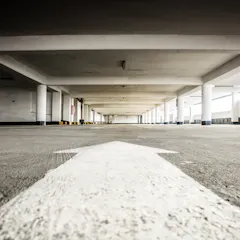
Self-driving cars may someday drop off their owners downtown and then leave to find free parking. What would that mean for cities of the future?
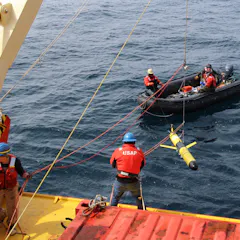
Sending autonomous vehicles to the Southern Ocean can be fraught with anxiety, especially if one of them doesn’t make radio contact when it’s supposed to.
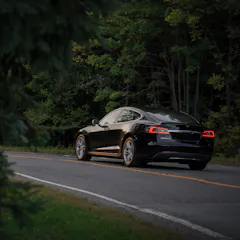
Academic experts on how the humble car could evolve to become an unlikely hero in the global fight against climate change.

How will people respond once they realise they can rely on autonomous vehicles to stop whenever someone steps out in front of them? Human behaviour might stand in the way of the promised ‘autopia’.
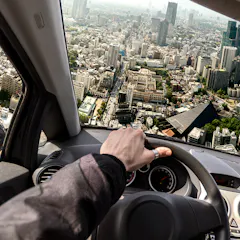
Putting driverless cars on the road safely is hard enough. Doing it in the air is much more difficult.

Cars that keep your speed within the limit may seem like a good idea, but the prospect of introducing the technology raises some tricky questions.
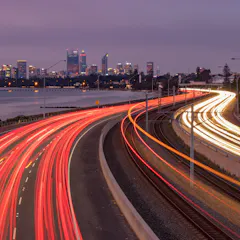
Autonomous mass transit vehicles like ‘trackless trams’ are a better bet than autonomous cars to give us people-friendly cities that capture the value created by infrastructure for the common good.

Using driverless cars to get from A to B in the future will mean more free time to do other activities – but will people really use it productively?
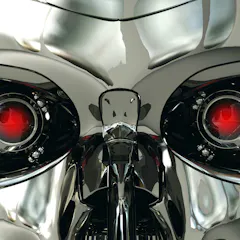
We’re on the road to developing artificial intelligence systems that will be able to do tasks beyond those they were designed for. But will we be able to control them?
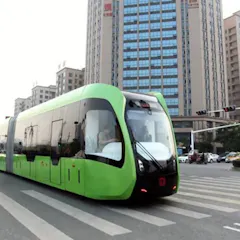
The autonomous rail rapid transit (ART) system developed in China might make buses sexy, but the technology alone won’t resolve the issues of road space and right of way in Australia.
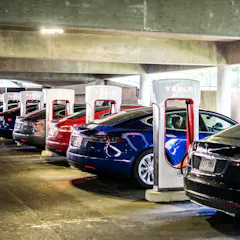
Ensuring that everyone doesn’t charge their cars simultaneously will make a big difference.
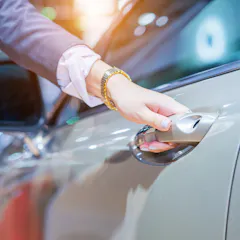
The arrival of autonomous vehicles would ideally reduce the number of cars on our roads. But this is a pipe dream without a robust public transport system and willingness to share.
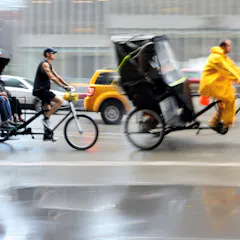
To cut emissions within the 12 years or so we have left to avoid disastrous global warming, we will need to change our old transport habits, using a combination of strategies to achieve this.
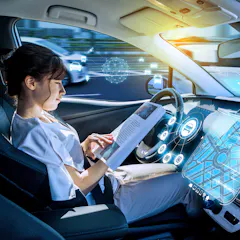
New anti-sickness technology is needed for driverless cars to deliver on the promise of letting us read, work or watch films while we travel.
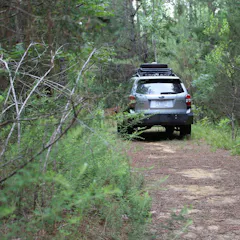
One-third of roads in the U.S. are unpaved; plenty more have faded or obscured road markings. Today’s self-driving vehicles can’t go on them, and will need new algorithms to handle those conditions.
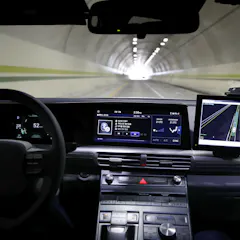
The spread of ride-hailing services and autonomous vehicles will lead to higher energy demand, a study finds. Electric vehicles and a much cleaner grid are the only way to avoid more emissions.
Top contributors
-

Professor in Robotics, Queensland University of Technology
-
Professor, Director of the Centre for Robotics, Queensland University of Technology
-
Honorary Professor of Planning, The University of Queensland
-
Professor of Sustainability, Curtin University
-
Professor of Transport Technology and Sustainability, Swinburne University of Technology
-
Professor of Advanced Technology Transitions, Arizona State University
-
Associate Professor, Human Systems Labs, University of Windsor
-
Adjunct Senior Lecturer, Applied Ethics and CyberSecurity, Griffith University
-
Professor of Psychology, Civil and Environmental Engineering, and Industrial Engineering and Management Systems, University of Central Florida
-
Associate Professor in Mechanical Engineering, Texas A&M University
-
Professor of Transport Strategy, The Open University
-
Senior Research Scientist, Texas A&M Transportation Institute, Texas A&M University
-
Associate Professor in Urban Planning, The University of Queensland
-
Honorary Professor of Transport Studies
-
Associate Professor in Urban Planning, The University of Melbourne