
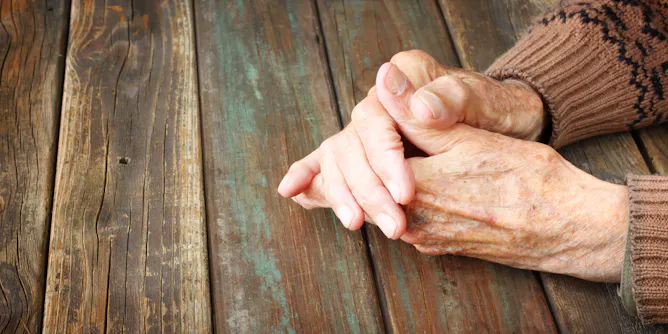
Autism first began to be routinely diagnosed in children in the 70s. It is only now that we are beginning to understand how the condition changes with age.
Articles on Autism spectrum disorder
Displaying 61 - 80 of 107 articles
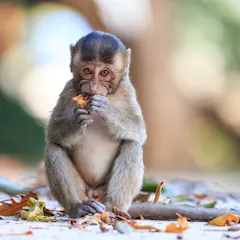
New research shows macaques can show autism-like behaviour.
Teachers’ lack of confidence in supporting students with autism calls for a better understanding of the disorder and how it may affect learning.
Summer can likely be full of activities that you do with your child. Here’s what research shows on how to boost your child’s creativity.
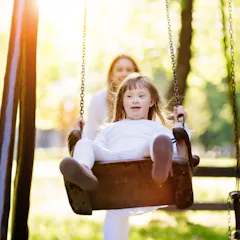
Informal early support through intervention programs helps parents understand their child’s newly diagnosed disability. But what will happen when, under the NDIS, these services no longer exist?
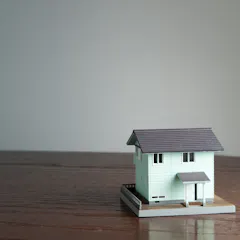
There’s no ‘one size fits all’ approach. But a lot of little things – from colors to appliance noise – can make a big difference.

A gene mutation that causes problems for neural stem cells – the building blocks of the brain – could be corrected by adding carnitine.
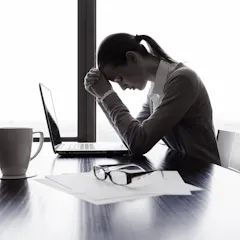
The outlook can be bleak for people with ASD who have difficulty navigating the stressful work world. A trial project in Connecticut sought to find a new way to help them become truly independent.
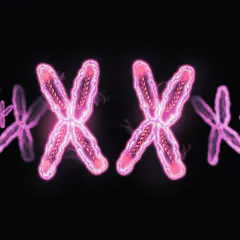
Many girls with autism go undiagnosed, perhaps because they’re good at camouflaging their autistic traits.
The way children are assessed for special educational needs is still a postcode lottery.
One of the great and enduring mysteries of autism is what causes the brain to develop so differently.
A recent survey of paediatricians found they often lacked enough information to accurately diagnose an Autism Spectrum Disorder in children.
A recent review of studies has shown that mindfulness meditation helps people with intellectual disabilities and autism spectrum disorder reduce their mental and physical problems.
Autism has gone from a rare disorder to one that affects one in 68 children in a few decades.
In the age of the human genome, it’s tempting to think genetic research could solve every disease and disorder.
Technologies that predict the possibility of a neurological disorder have the weight of affecting conceptions of not just “what” these children have but “who” these children will become.
People with autism spectrum disorder don’t get the same benefits from socialising with other people. So why force them to with methods that aren’t true to life anyway?
The decision about whether to say a ‘person with autism’ or an ‘autistic person’ is never clear cut.
In our study, it was the comparison groups of children who showed a visual learning style, not the children with autism.
The epigenetic ‘musicians’ that play our genomes in different ways might help us understand the causes of autism.
Top contributors
-

Deputy Director, The Kids Research Institute Australia, Professor of Autism Research, The University of Western Australia
-
Associate Professor of Developmental Psychology, La Trobe University
-
Professor of Autism and Intellectual Disability, Faculty of Health and Human Sciences, Southern Cross University, Southern Cross University
-
Senior lecturer, Macquarie University
-
Professor of Electrical Engineering and Bioengineering, Tau Beta Pi Eminent Engineer, University of South Florida
-
Senior Research Fellow in Child Neurodevelopment, Brain and Mind Centre, University of Sydney
-
Associate Professor of Educational Studies in School Psychology, University of Calgary
-
Professor, Macquarie University
-
Professor & Senior Principal Research Fellow, The Kids Research Institute Australia
-
Senior Lecturer, Center for Study of Human Health, Emory University
-
Professor of Inclusive Practice, Sheffield Hallam University
-
Deputy Director, Twins Research Australia & Professor in Genetics and Cell Biology, Deakin University
-
Professor of Neurodevelopmental Disorders, Goldsmiths, University of London
-
Director of Health Design Lab, Emily Carr University
-
Canada 150 Research Chair in Mathematical Biology and Medicine; Professor of Applied Mathematics, Pharmacy, and Biology, University of Waterloo