
‘Pics or it didn’t happen’ is no longer a reliable test for what’s real.
Articles on Authentication
Displaying all articles

AI agents cross company boundaries, but proof of their authority often does not. When they overstep, no single record shows what the user allowed.
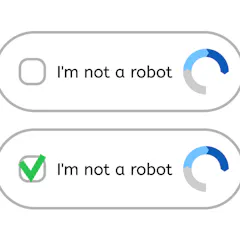
CAPTCHAs are a key part of the arms race between AI deceivers and AI deception detectors. A computer scientist explains how they work.
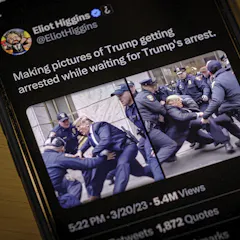
In a world of increasingly convincing AI-generated text, photos and videos, it’s more important than ever to be able to distinguish authentic media from fakes and imitations. The challenge is how.
Elon Musk has an idea of what ails Twitter and what needs to be done to fix it. The problem is his assumptions are wrong.

Federal and state governments are turning to a facial recognition company to ensure that people accessing services are who they say they are. The move promises to cut down on fraud, but at what cost?
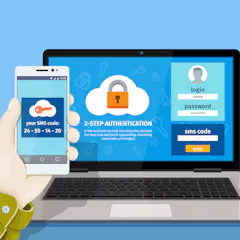
Two-factor authentication is certainly an added layer of security as we traverse the online world. But it comes in various forms, and they’re not all equally protective.

Do you receive a code via SMS message, email or voice call to sign into your bank account? This security method is no longer considered very secure.

The technologies change, but the challenge remains the same: How can a digital system authenticate an analog human’s identity?

You can log in to your smartphone by talking to it. Current security systems don’t protect enough against imitators. The best way to ensure voice authentication is secure is to start with the sound.

Already becoming a darling of Wall Street, blockchain technology’s biggest real benefits could come to the world’s poorest people. Here’s how.

Despite years of public information efforts, even simple cyberattacks still succeed. Here are five steps to avoiding having your emails appear on WikiLeaks.

The conviction of two men in relation to the sale of forged Brett Whiteley paintings indicates that Australia needs to get its act together when it comes to authenticating artworks.
If our homes and property are protected from the law, by the law, then our digital devices should be, too.
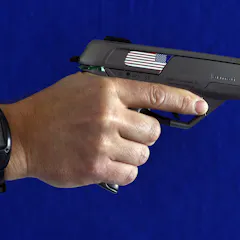
President Obama’s call for better electronic gun-safety systems put a spotlight on the technologies currently in the R&D pipeline that aim to make sure only authorized users can fire a gun.
No matter how many times people are warned to set strong secure passwords, many don’t. So why do people take the risk? And is there anything else they can do to be more secure online?
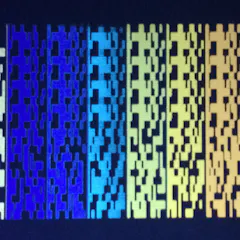
Invisible under normal light but fluorescent under UV light, this ink can print out unique signatures that use ‘molecular encryption’ to authenticate anything they tag.
Top contributors
-

Security Researcher, Associate Professor in Resilient Systems, Edith Cowan University
-
Professor of Cyber Security, Lancaster University
-
Professor of Computer Science and Engineering, University at Buffalo
-
Assistant Professor of Chemistry, Dartmouth College
-
Researcher, The University of Melbourne
-
University at Buffalo
-
Professor of Management, University of North Carolina – Greensboro
-
Professor of Chemistry, Northwestern University
-
Professor of Information Sciences and Technology at Altoona campus, Penn State
-
Professor of Chemical, Biological and Pharmaceutical Engineering, New Jersey Institute of Technology
-
Associate Professor of Advertising and Public Relations, University of Georgia
-
Adjunct Senior Lecturer, Applied Ethics and CyberSecurity, Griffith University
-
Professor of Computer Science, University of California, Berkeley
-
Professor of Computer, Web and Cognitive Sciences, Rensselaer Polytechnic Institute
-
Associate Professor of Computer Science, University of Dayton