
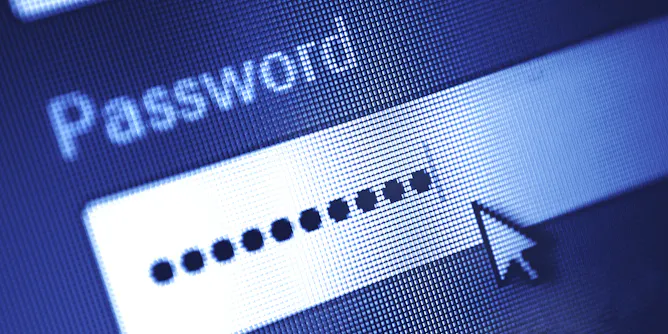
In what is colourfully termed a ‘brute force’ attack, hackers use bots to test millions of username and password combinations on different websites – until they find a match.
Articles on Two-factor authentication
Displaying all articles
Russia’s cyberattack capabilities can be applied to US targets, including regular Americans’ homes and businesses.
Data breaches have become a fact of life. Here are articles from The Conversation that detail the threat, why it happens and what you can do to protect yourself.

Despite its known vulnerabilities, SMS-based 2FA is used as a security measure by several major organisations, including the Big 4 banks.
If an organization that has your data gets hacked, your vulnerability depends on the kind of attack and the kind of data. Here’s how you can assess your risk and what to do to protect yourself.
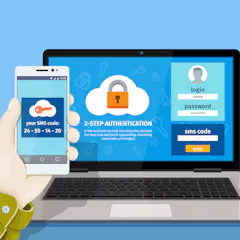
Two-factor authentication is certainly an added layer of security as we traverse the online world. But it comes in various forms, and they’re not all equally protective.

Zoom’s privacy and security shortcomings are just the latest videoconferencing vulnerabilities. Knowing each platform’s risks can help people avoid many of the downsides of virtual gatherings.

With so many people working from home on vulnerable networks and set-ups, cybersecurity is a growing concern.

Do you receive a code via SMS message, email or voice call to sign into your bank account? This security method is no longer considered very secure.

Think defensively about your online accounts and data security – and don’t assume you’ll avoid harm.
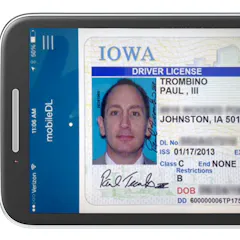
Smartphones are key elements of two-factor authentication processes. Weakening their security threatens people’s digital identities.

Four important elements to consider when evaluating how safe you are online.

The technologies change, but the challenge remains the same: How can a digital system authenticate an analog human’s identity?
A roundup of research into what makes passwords secure, and options for new standards of login authentication.
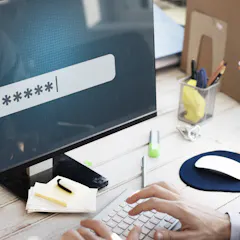
The first line of cyberdefense is having a good password. What does research say about what that actually means?
People who think like hackers have some really good ideas about how to protect digital privacy during turbulent times. We can learn from them.

Despite years of public information efforts, even simple cyberattacks still succeed. Here are five steps to avoiding having your emails appear on WikiLeaks.
Top contributors
-

Professor of Cybersecurity Management, University of Dayton
-
Adjunct Senior Lecturer, Applied Ethics and CyberSecurity, Griffith University
-
Professor of Information Systems, Mississippi State University
-
Research Professor of Computer Science, University of Dayton
-
University at Buffalo
-
Security Researcher, Associate Professor in Resilient Systems, Edith Cowan University
-
Associate Professor of Information Science and Cybersecurity, University of Wisconsin-Madison
-
Director, Deakin Cyber Research & Innovation Centre, Deakin University
-
Honorary Senior Fellow, The University of Melbourne
-
CSCRC Research Fellow, Centre for Cyber Security Research and Innovation, Deakin University
-
Associate Professor of Communication, Wayne State University
-
Assistant Professor of Digital Media, author of Hacking in the Humanities (Bloomsbury 2022), Brock University
-
Teaching Professor of Computer Science and Electrical Engineering, and Associate Director, UMBC Cybersecurity Institute, University of Maryland, Baltimore County
-
Professor of Cyber Security and Policy, Tufts University
-
Associate Professor of Information and Operations Management, Texas A&M University