
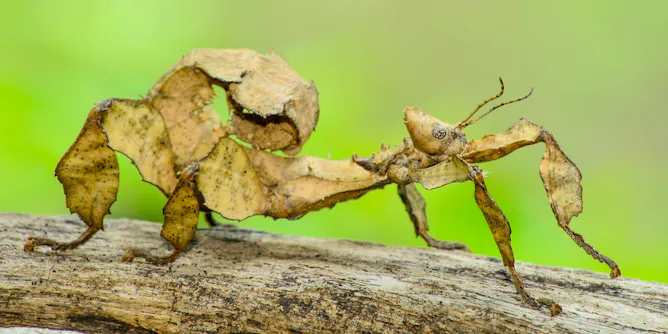
A variety of species across the animal kingdom can reproduce both sexually and asexually, including some types of starfish, water fleas, hammerhead sharks and Komodo dragons.
Articles on Asexual reproduction
Displaying all articles

Starfish reproduce by splitting in two. A new fossil reveals how ancient this ability is.

Spanning evolutionary biology, genetics, development, neurobiology, endocrinology and psychology, as well as current events and sports, students explore the complexities of the biology of sex.
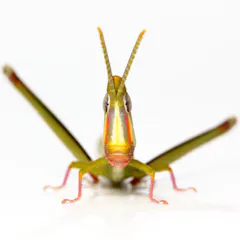
Few animals have babies without sex, so biologists assumed asexual reproduction must have evolutionary drawbacks. But a self-cloning Australian grasshopper shows things might be more complicated.
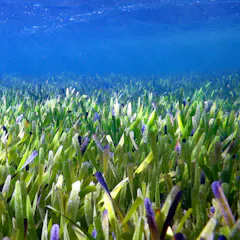
A single seagrass plant in Shark Bay is around 4,500 years old, covers 200 square kilometres of seabed, and thrives in harsh conditions.
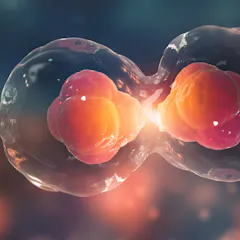
Perceptions about the role of sperm have changed over time, but asexual reproduction doesn’t need sperm for fertilization.

Asexuality is less about a traditional understanding of sexual attraction and behaviour, and more about being able to discuss likes and dislikes in the early stages of a relationship.
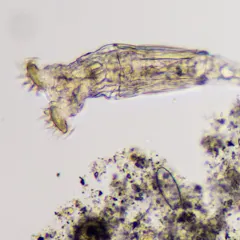
Rotifers are tiny creatures found in ponds or puddles and can reproduce without sex. The theory says they should not have survived so how have they done it?
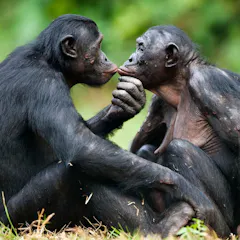
There’s long been a lack of evidence for why sex has become so much more common than asexual reproduction across nearly all species. Thankfully, this is now slowly changing.
Nematodes, or roundworms, that undergo asexual reproduction, have only two-thirds as many active genes as related species…
Candida tropicalis cells, once thought to be asexual, have been discovered as being capable of mating sexually. Scientists…
Top contributors
-

Professor of Nursing and Health Research/ Associate Dean Research, University of Hull
-
Professor of Midwifery and Dean in the Faculty of Health Sciences, Southern Cross University
-
Senior Research Fellow in Maternal and Reproductive Health, University of Hull
-
Jenny Graves is a Friend of The Conversation.
Distinguished Professor of Genetics and Vice Chancellor's Fellow, La Trobe University
-
Professor of Evolutionary Genetics at The Milner Centre for Evolution, University of Bath
-
Professor, School of BioSciences and Bio21 Institute, The University of Melbourne
-
Professor in Ecophysiology and Evolutionary Biology, The University of Melbourne
-
Senior Research Fellow, School of Biological Sciences and Oceans Institute, The University of Western Australia
-
Associate Professor in Biology, Flinders University
-
Professor, Biology, Carleton University
-
Professor of Biological Sciences; Director of the Cellular and Behavioral Neurobiology Graduate Program, University of Oklahoma
-
PhD candidate (Marine Biology), The University of Western Australia
-
Science Guide & Visiting Researcher, Earth Sciences, University of Cambridge
-
Gary Kendrick is a Friend of The Conversation.
Winthrop Professor, Oceans Institute, The University of Western Australia
-
Postdoctoral Research Fellow, Marine Ecology and Environmental Change Lab, James Cook University