
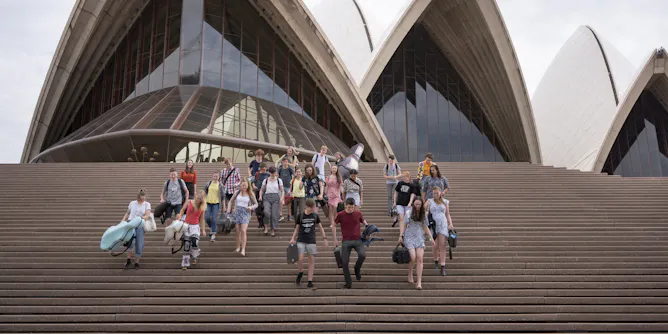
My recent study looked at the inequalities rural and regional young classical musicians face which are unknown to their city-based counterparts.
Articles on Arts policy
Displaying 21 - 40 of 159 articles
Unique factors contribute to burnout in Australia’s arts and culture sector. Preventing burnout will require long-term, sector-wide commitments.
The Tasmanian Symphony Orchestra quietly cancelled its Last Night of the Proms concert scheduled for the eve of the Voice. Do their words match their actions?

Any policy interventions from Creative Australia to support visual and craft artists’ incomes will need to take a sector-wide approach.
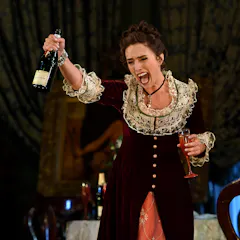
Our new research has tracked the gender of artists working at Australian opera companies and found evidence of pervasive gender inequality.
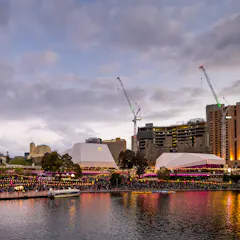
The continued reductions in arts funding seem counter intuitive given the negative impact of COVID on the arts and cultural sector.
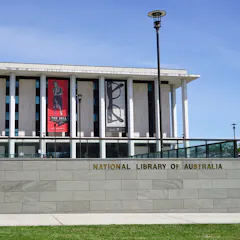
Years of cost-cutting measures have left Australia’s national galleries, libraries, archives and museums in dire straits.
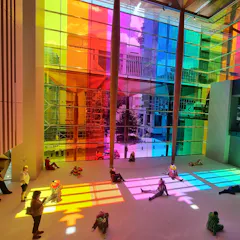
Aotearoa’s arts and cultural sector remains on an emergency footing following the last three years of pandemic disruption.
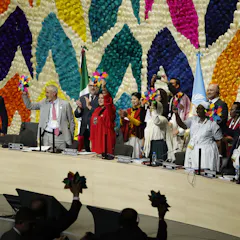
Revive is the first step into a new global landscape for which we barely have a language.
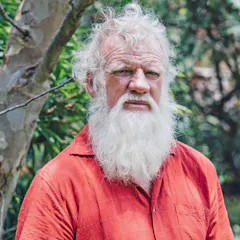
Our research team tracked the impact of Dark Emu, Bruce Pascoe’s bestseller, over five years. We measured its value across a range of criteria, from financial to environmental.
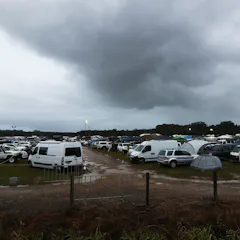
The climate crisis will necessitate change to business-as-usual approaches to the arts.
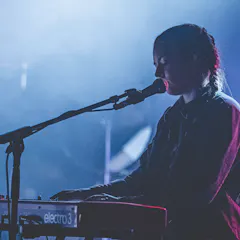
The centre will importantly function as a point of contact and referral for arts workers who have nowhere else to go for support.
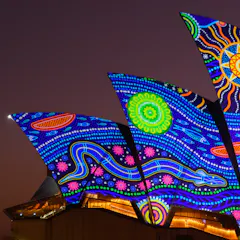
This is not quite a game changer, but it is going in a healthier direction.
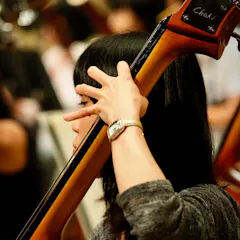
Women artists from a non-English-speaking background suffer a triple earnings penalty. But there is no gender pay gap among remote Indigenous artists.
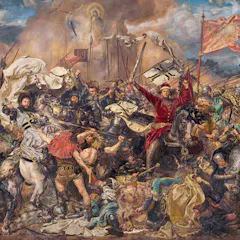
For a long time, arts organisations retained staff attracted to the ‘romance of being creative’. That’s no longer enough.
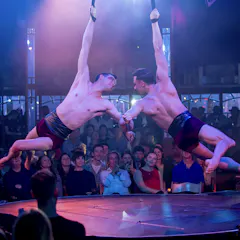
Arts Minister Tony Burke says the government is waiting for its new cultural policy. But artists are struggling now.
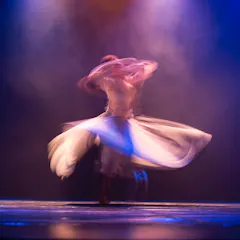
Breathing new life into a decade-old national cultural policy is a useful beginning. What is required now is an in-depth gestation period to position culture as a public good for the nation.
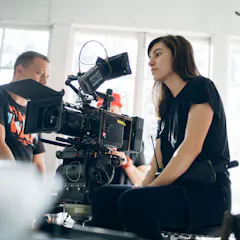
Our new research casts a harsh light on the realities of working in film and television.
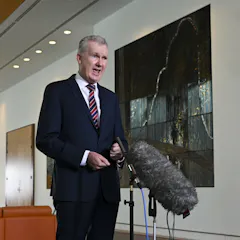
After holding the shadow portfolios, it is expected Tony Burke will be sworn in as minister for the arts and minister for industrial relations.
With plans to trial a universal basic income for artists and push streaming platforms to invest in local content, The Greens have a big-picture blueprint for cultural policy.
Top contributors
-

Professor of Creative Arts, Griffith University
-
Associate Professor and Principal Fellow (Hon), School of Culture and Communication, The University of Melbourne
-
Professor of Cultural Economy, Adelaide University
-
Joanna Mendelssohn is a Friend of The Conversation.
Honorary Senior Fellow, School of Culture and Communication, The University of Melbourne
-
Associate Professor, Cultural Policy and Creative Industries, Adelaide University
-
Principal Fellow and Professor of Music, The University of Melbourne
-
Lecturer, School of Media, Film and Journalism, Monash University
-
Professor of Economics, RMIT University
-
Lecturer in Arts Management and Human Resources, The University of Melbourne
-
Artist, Curator, Producer, RMIT University
-
Senior Lecturer in Creative Industries and ARC DECRA Fellow, The University of Melbourne
-
cultural policy consultant
-
Vice-Chancellor's Senior Research Fellow in Music Industries and Cultural Economy, RMIT University
-
Honorary Senior Fellow in Urban Geography and Planning, The University of Melbourne
-
Associate Professor, Music Industry, RMIT University