
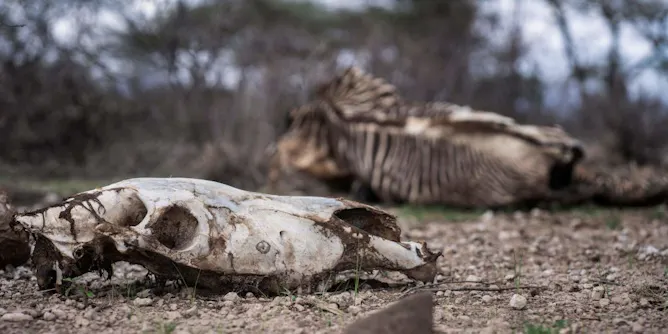
Changing habitat ranges, competition for food and water, and biological effects of climate change all pose threats to wildlife.
Articles on Animals
Displaying 301 - 320 of 615 articles
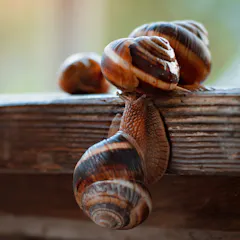
Snails use their slime to help them move, stop them drying out and to scare off predators.

In this week’s episode of The Conversation Weekly, we speak with three scientists who study the ways plants and animals evolve in a world dominated by humans.
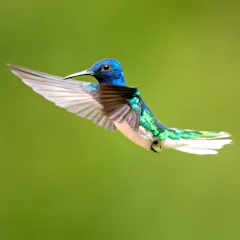
Narwhals, hummingbirds and the Asian sheepshead wrasse have opened scientists’ eyes to the complexity of nature.
Do you know zoopharmacognosy is? Some animals use trees to treat themselves.

Nature begins forming patterns at the molecular level – and sometimes they grow to enormous sizes.
Sophie Cunningham’s novel about Leonard Woolf and the contemporary writer attempting to tell his story is wry and earnest – and yes, devastating when it needs to be.

Science has some clues about whether or not your cat feels more than cupboard love for you.
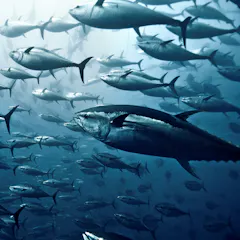
Just about every creature on Earth needs to grab some Zs from time to time. Imagine trying to doze while dodging great whites and killer whales.
Dog bites are a serious public health problem but we’re going the wrong way about tackling it.

The public’s lack of knowledge about animal research can cause a moral conflict. Institutions that use animals in research need to be more transparent about their practices.
The monkeypox virus can easily spread between humans and animals. A veterinary virologist explains how the virus could go from people to wild animals in the US – and why that could be a problem.
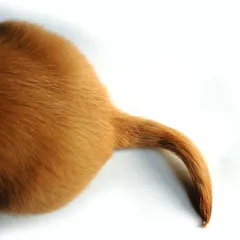
An anthropologist explains some of the many ways animals use their tails, from balancing as they walk to attracting a mate.
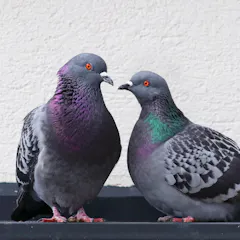
Pigeons simply don’t deserve the bad press they get.

Animal reservoirs and people who experience chronic COVID infections could potentially see the emergence of new variants. But these variants aren’t necessarily cause for concern.
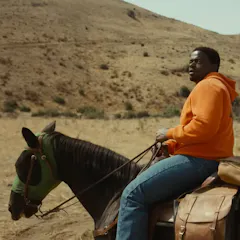
When it comes to our ethical duties to animals, representation and respect should go hand in hoof.
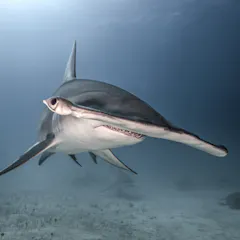
The first hammerhead shark was likely the result of a genetic deformity. A biologist explains how shark DNA reveals hammerheads’ history.
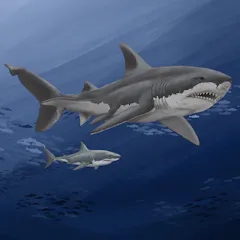
Megalodon, the world’s largest known shark species, swam the oceans long before humans existed. Its teeth are all that’s left, and they tell a story of an apex predator that vanished.

A study from Thailand documents a case of a veterinarian catching COVID after an infected cat sneezed on her.

Accra has become susceptible to floods due to encroachment on wetlands.
Top contributors
-

Principal Lecturer in Wildlife Conservation, Nottingham Trent University
-
Senior Lecturer in Animal Science, Nottingham Trent University
-
Professor, Management and Organizational Studies, Huron University College and Coordinator of Animal Ethics and Sustainability Leadership, Western University
-
Associate Professor, School of Animal and Veterinary Science, Adelaide University
-
Lecturer in Animal Behaviour and Welfare, School of Psychology, Queen's University Belfast
-
Senior Lecturer in Zoology, Nottingham Trent University
-
Professor in Wildlife Ecology and Conservation, School of Life & Environmental Sciences, Deakin University
-
Professor of Zoo Animal Welfare & Legislation, Nottingham Trent University
-
Visiting Research Fellow, Animal Behaviour and Welfare, Nottingham Trent University
-
Lecturer, Chemistry and Forensic Science, Nottingham Trent University
-
Professor of Wildlife Conservation, University of Salford
-
Professor of Behavioural Ecology, UCL
-
Animal Geographer, Keele University
-
Associate Professor Emerita of Comparative Literature, University of California, San Diego
-
Associate Professor, Ecology, Northumbria University, Newcastle