
It’s a question of evolution and adaptation.
Articles on Animals
Displaying 221 - 240 of 615 articles
Interventions to prevent crime against wildlife can be effective, but significant gaps in our knowledge remain.
Even self-proclaimed ethical tourism programs can widen economic gaps and harm communities they claim to protect. Here are a few steps you can take as an ethical tourist.

Pets provide a source of comfort and intimacy for many owners drifting off to sleep. But according to new research, they may also disrupt your ability to fall or stay asleep.
A government program in British Columbia discovered the presence of chronic wasting disease in deer. Now, managing the spread of the disease is a priority.

Atlantic halibut are making a strong comeback in the Gulf of St. Lawrence. But how do we know where the fish move throughout their lives?
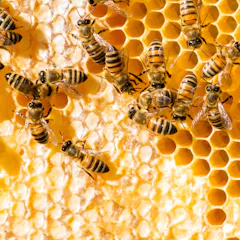
What makes us human? Greek and Roman thinkers were preoccupied with this question. And some of their observations of animals foreshadowed recent findings in the behavioural sciences.

Despite improvements in disaster response management since the Abbotsford floods of 2021, long-term animal welfare remains woefully underappreciated in B.C.
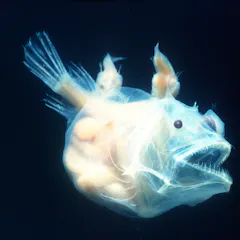
Does size matter? In the animal kingdom, yes.
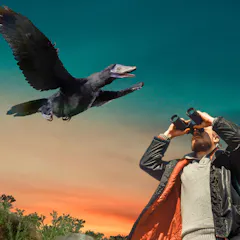
If you love learning about dinosaurs don’t let crowdpleasers like the T Rex distract you from the fascinating birdlife that once roamed the Earth.
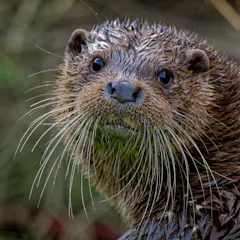
Research has revealed how British otters may have been able to recover from species loss in the 1950s with the help of otters from Asia.
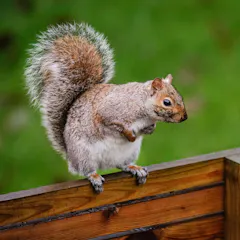
New research suggests the gut bacteria of red and grey squirrels differ significantly, potentially explaining the decline of the native red and the success of its grey counterpart.
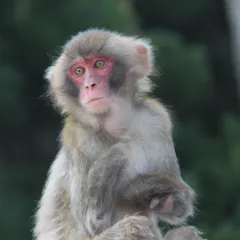
A community of macaques in Japan has a high rate of disabled individuals who survive with behavioural flexibility and maternal care. Globally, primate disabilities are often related to human causes.

Understanding how the ageing of sperm works in other animals is more important than ever as human male fertility is in decline.
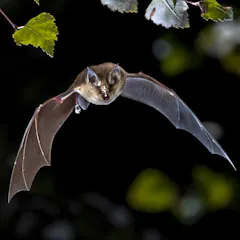
Maths plays a crucial role in new research which finds that bats “leapfrog” their way home at night.
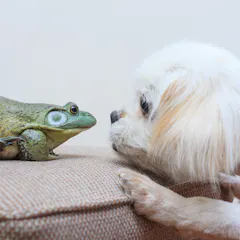
Questions about how to ethically train different kinds of pets depend on the nature of those animals’ inner lives and their abilities to learn.
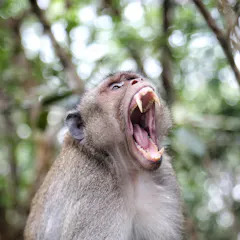
Tourists can do a number of things to avoid dangerous encounters with monkeys.
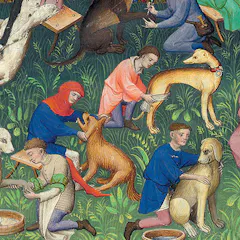
The place of dogs in society changed when hunting became an aristocratic pastime, rather than a necessity.

Flowers tend to stand out against a natural background. A new study shows this contrast evolved in a key relationship with their most famous pollinators – bees.

Artificial intelligence can process large amounts of chicken vocalizations, identifying patterns in the birds’ communications.
Top contributors
-

Principal Lecturer in Wildlife Conservation, Nottingham Trent University
-
Senior Lecturer in Animal Science, Nottingham Trent University
-
Professor, Management and Organizational Studies, Huron University College and Coordinator of Animal Ethics and Sustainability Leadership, Western University
-
Associate Professor, School of Animal and Veterinary Science, Adelaide University
-
Lecturer in Animal Behaviour and Welfare, School of Psychology, Queen's University Belfast
-
Senior Lecturer in Zoology, Nottingham Trent University
-
Professor in Wildlife Ecology and Conservation, School of Life & Environmental Sciences, Deakin University
-
Professor of Zoo Animal Welfare & Legislation, Nottingham Trent University
-
Visiting Research Fellow, Animal Behaviour and Welfare, Nottingham Trent University
-
Lecturer, Chemistry and Forensic Science, Nottingham Trent University
-
Professor of Wildlife Conservation, University of Salford
-
Professor of Behavioural Ecology, UCL
-
Animal Geographer, Keele University
-
Associate Professor Emerita of Comparative Literature, University of California, San Diego
-
Associate Professor, Ecology, Northumbria University, Newcastle