
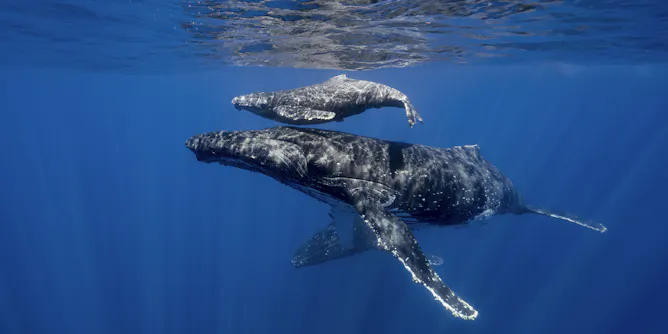
Our latest study takes a closer look at the emotional lives of humpback whales.
Articles on Animal psychology
Displaying 1 - 20 of 29 articles
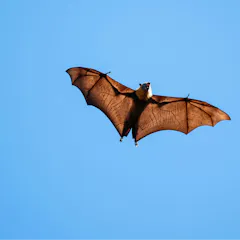
It could help ensure the animals in our care are living their best lives.
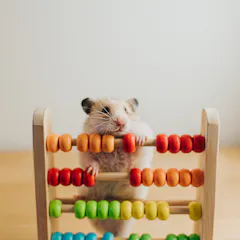
How researchers measure the logical reasoning of monkeys, pigeons, rats, fish and wasps shapes how they understand mental processes in animals − and in people.

A dog’s heart rate is likely to rise in tandem with its owner’s heart rate in a stressful situation – even in the absence of verbal communication.
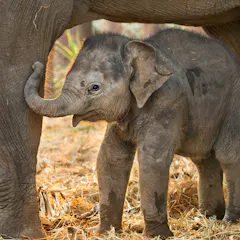
Recent reports of burials of elephant calves are intriguing but it’s impossible to confirm that this was intentional.

Are plant-based treats like catnip, cat thyme and silver vine safe for cats? And it it ethical to use them?

Keeping your cat indoors is safer for your pet and wildlife. There are some simple steps you can take to ensure its quality of life doesn’t suffer.

Horses naturally synchronise their running in groups – but ‘racing’ and ‘winning’ are human concepts.

Using urine and signature whistles from other dolphins, a team of scientists has shown that dolphins use signature whistles like names and hold mental representations of other dolphins in their minds.
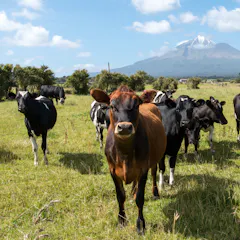
Capturing cow urine could allow us to reduce the amount of damaging nitrate and nitrous oxide that ends up in the environment.

Testing whether the birds react to sleight of hand helps us understand if they see the world like we do.

Alleviating separation anxiety is about changing the owner’s behavior, too.

It’s 80 years since we were first introduced to Lassie. But the human bond with dogs goes back way further.

New research shows how tamarin monkeys transfer new types of food to their young.

Research shows that looking at your dog makes you feel happy.

Just like their owners, many pet dogs are finding the current changes difficult – here’s how you can help them.

A dog psychologist looks at the presidential candidates’ relationships with dogs.
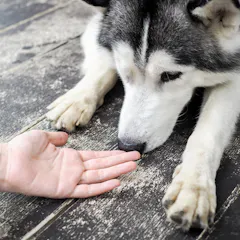
Parents want their children to be kind to animals, but a hug looks very different to a frightened dog.

Scientists are beginning to link animal facial expressions to emotions, making it possible for us to understand how they feel.
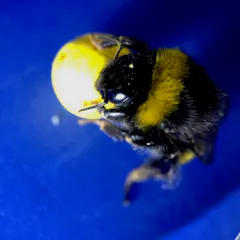
They shoot, they score … if there’s a sugary reward at the end of it.
Top contributors
-

Post-doctoral Fellow, School of Agricultural, Environmental and Veterinary Sciences, Charles Sturt University
-
Senior Research Fellow, School of Psychology and Public Health, La Trobe University
-
Research Fellow, Queen Mary University of London
-
Associate Professor in Developmental Science, Kingston University
-
Senior Lecturer, Newcastle University
-
Professor of Wildlife Conservation, University of Salford
-
Associate Professor of Comparative Psychology, University of Portsmouth
-
Royal Veterinary College
-
Graduate Student, University of Iowa
-
Medical & Science Writer, University of Iowa
-
NERC Research Fellow, University of St Andrews
-
Post-doctoral Research Associate, Queen Mary University of London
-
F. Wendell Miller Distinguished Professor, University of Iowa
-
Postdoctoral Researcher, Universität Wien
-
Research Fellow, University of Exeter