
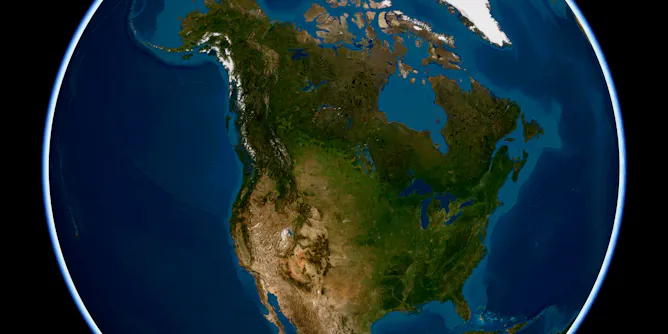
State lines are one way to picture the US, but natural history provides another – one that shows the ancient and living connections running across the landscape.
Articles on Animal migration
Displaying 1 - 20 of 25 articles
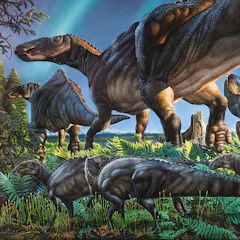
The Arctic was not simply a cold edge of the Cretaceous world, but a place where mammals adapted, diversified, migrated and originated.
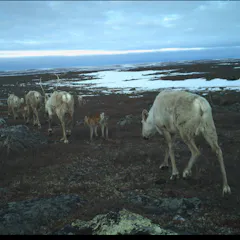
As delegates gather in Brazil for COP15, the fate of Arctic caribou migrations should serve as both a warning and a test.
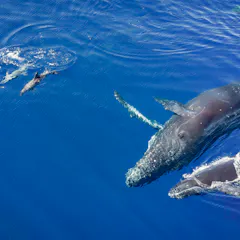
The findings reshape our understanding of how social marine mammals interact across species.
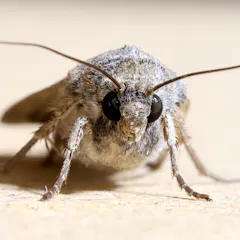
Australia’s iconic bogong moths are the first creatures other than humans and some birds known to navigate by the night sky.
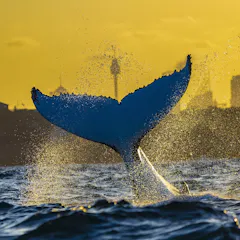
The map combines findings from more than 1,300 studies and is an important tool for conservation.
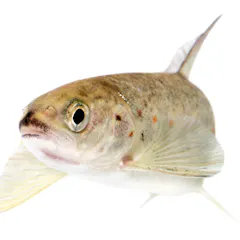
Pharmaceutical pollution can significantly affect wild animal behaviour, including speeding up salmon migration.
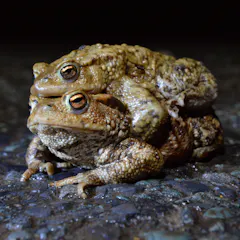
Despite dutiful toad patrols, evidence suggests that the amphibians are declining in the UK.

Ocean eddy currents are driving extreme heat and cold events in the deeper sea, home to the world’s most abundant animal and its largest migration
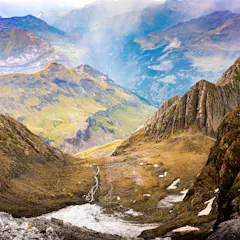
Researchers have been estimating the vast numbers of insects, including many pollinators, migrating at one location in the Pyrenees. But climate change and habitat loss could affect their abundance.
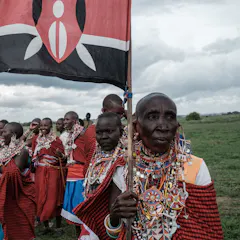
Conservation strategies should promote equitable benefits across communities.
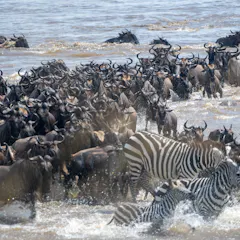
Lessons from the Serengeti herds may help conservationists manage migratory herbivore populations.
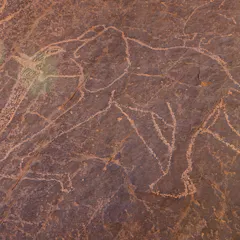
The Sahara Desert is green and vegetated every 21,000 years. A climate model shows why.
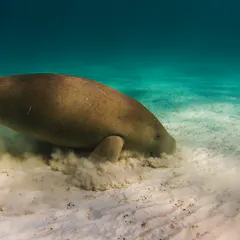
The world’s oceans are getting hotter, quicker. And our marine species are seeking cooler waters. Keep your eyes peeled and you might spot one of these species on the move.
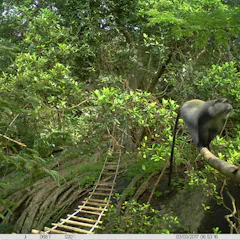
Researchers encourage citizen scientists to contribute to datasets on animal deaths caused by infrastructure. This will inform efforts to reduce the human impact on biodiversity.
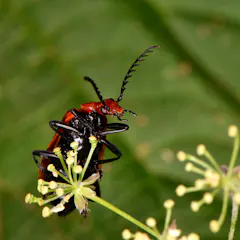
Climate change is exposing animals to temperatures outside of their normal limits – a new study has found that insects have a particularly weak ability to adjust.
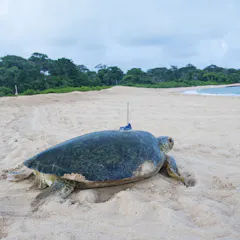
Protecting green turtles is difficult because they perform some of the longest migrations known in the animal kingdom.
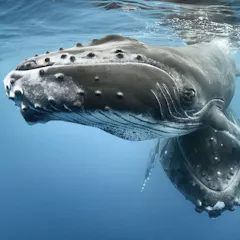
A new report shed light on the migratory routes of 1,000 whales worldwide.
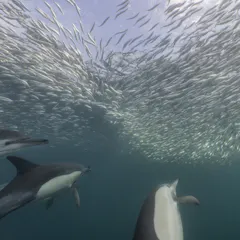
Sardines from the cold waters off South Africa’s Atlantic coast are attracted to cold water upwelling in the Indian Ocean. When the upwelling ends, they are trapped in water that is too warm for them.
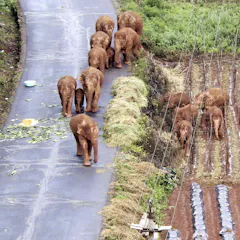
As an economic superpower, China has far more left to do to ensure our planet remains liveable for vulnerable wildlife.
Top contributors
-

Postdoctoral Researcher in Marine Biology, University of Plymouth
-
Postdoctoral research fellow, University of Helsinki
-
Professor of Marine Genomics, University of Johannesburg
-
Postdoctoral research fellow, University of Exeter
-
Associate Professor, Department of Physiology, Monash University
-
Research Scientist, Southern Cross University
-
Professor of Physical Geography, University of the Witwatersrand
-
Researcher and analyst, Monash University
-
Professor of Marine Ecology, Bangor University
-
Endowed Associate Professor in Whale Habitats, Oregon State University
-
Associate Professor in Marine Biology and Ecology, University of Southampton
-
Postdoctoral Researcher (University of Venda) & Associated Researcher (Lajuma Research Centre), University of Venda
-
Professor in Evolution and Behaviour, The University of Melbourne
-
Distinguished Research Professor and Australian Laureate, James Cook University
-
Professor, Institute for Marine and Antarctic Studies and Director of the Centre for Marine Socioecology, UTAS, University of Tasmania