
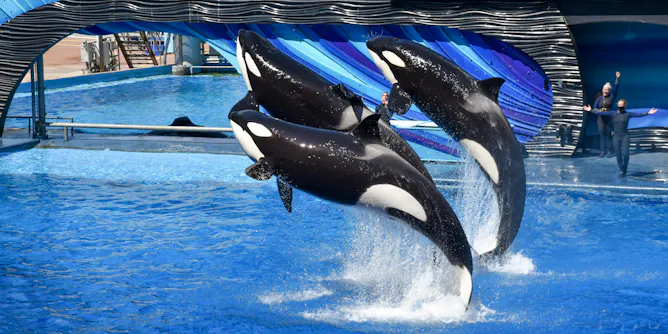
Marineland’s decline reflects a growing debate about the ethics of keeping animals in captivity, and what the future of zoos and aquariums should look like.
Articles on Animal conservation
Displaying all articles
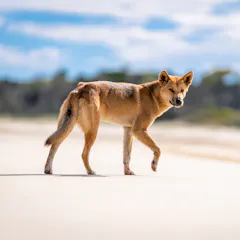
Dingo DNA study reveals an ancient population split and surprisingly recent links to New Guinea singing dogs.
Traditionally dominated by the use of centralised, resource-intensive servers, machine learning is being democratised with the growth of “TinyML”, distinguished by its small size and low cost.

Horses are the supreme athletes of the large mammal world – here’s a look at the reasons why they can run so fast and jump so high.

Whale species at higher risk of predation from killer whales are more adversely affected by the sound of sonar.
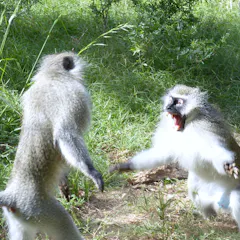
Why social interaction isn’t always a good thing for primates, especially for individuals with a fever.
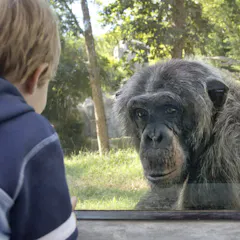
A fundamental change in how North American zoos and aquariums are accredited supports their animal conservation and species survival work.
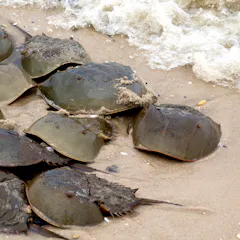
A chemical refined from the blue, copper-based blood of horseshoe crabs helps identify contaminants in medical equipment inserted into humans.
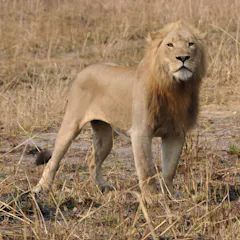
Male lions are responsible for the movement of genes between prides. New research confirmed that the genes are traveling long distances – even though no one has been spotting the lions on the journey.
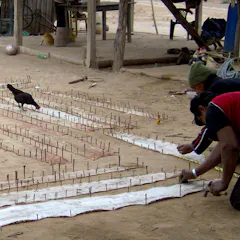
When small regional communities see economic value in animals like snakes and crocodiles, people are motivated to invest in their protection.

Three researchers studied the “crop raiders” of the Brazilian rainforest in the hope of aiding both local farmers and wildlife conservation.

The destruction of a massive haul of illegal ivory was supposed to send a message to poachers and those who trade in the tusks. Did they notice, or can the ivory be used to help elephant conservation?
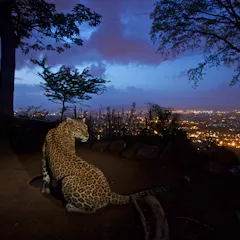
Wild leopards that live in an Indian city park like to dine on stray dogs, which new research says may help reduce the number of potentially deadly dog bites on people.
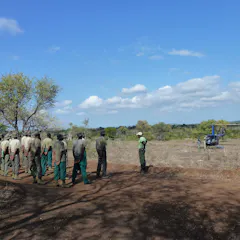
Military style anti-poaching is often criticised because it alienates communities living around protected areas. But these initiatives give them an incentive to protect the species.
Top contributors
-

Assistant Professor of Planetary Health, Maastricht University
-
Research Fellow at the Centre for Planetary Health and Resilient Conservation Group, Griffith University
-
Lecturer, University of East Anglia
-
Research fellow, University of St Andrews
-
Postdoctoral research fellow, School of Biological Sciences, The University of Queensland
-
Professor, Conservation Biology, The University of Queensland
-
Professor and Chair, Southwestern Environmental Science and Policy, Northern Arizona University
-
Senior Lecturer, Mathematics, The University of Queensland
-
Postdoctoral research fellow, Northumbria University, Newcastle
-
Coordinator, Science, Technology and Innovation Unit, Abdus Salam International Centre for Theoretical Physics (ICTP)
-
Assistant Professor of Computer Science, Dartmouth College
-
Professor of Biology, Psychology, and Environmental Science & Sustainability, Director Zoo & Conservation Science, Drake University
-
Senior Lecturer in Animal Behaviour & Welfare, Nottingham Trent University
-
Postdoctoral fellow, University of Cambridge
-
Professor in Conservation Science, School of the Environment, The University of Queensland