
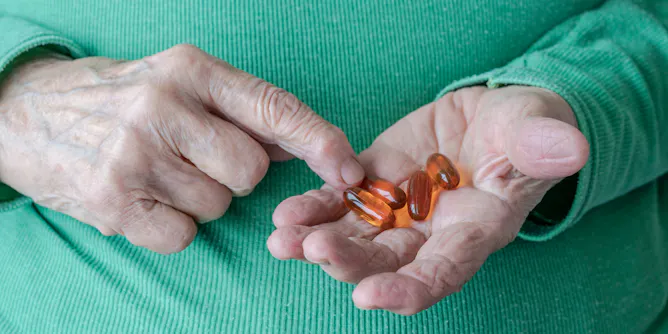
A century after liver was found to treat pernicious anaemia, scientists are still uncovering how vitamin B12 helps blood, nerves and cells.
Articles on Anaemia
Displaying all articles

Around 70-80% of women will develop at least one fibroid by the time they’re 50.

Iron deficiency is often dismissed as stress or tiredness in teenagers.

Iron deficiency is one of the most common micronutrient deficiencies in the world.
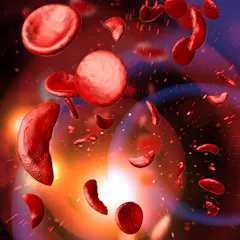
Up to 4,000 patients in England will be offered voxelotor to alleviate sickle cell symptoms.

Heavy periods are one of the leading causes of iron deficiency and anaemia.

Many plant-based foods are rich in iron, but they also contain high amounts of fibre and phytates, which reduce the body’s capacity to absorb the essential nutrient.

The reasons for the hesitancy to donate blood are complex and include a fear of needles and lack of awareness. Awareness and education drives to dispel the fear of donating are important.

Pernicious anaemia is a lifelong condition that affects nearly 5 in 100,000 people in the UK.

New research shows just 1% of E. coli bacteria’s genetic mutations are lethal.

Feeling tired and out of energy? Talk to your GP about checking your iron level.
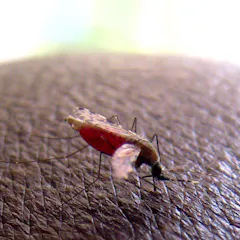
The link between taking iron supplements and the increased risk of contracting malaria is a complex one.

Iron deficiency affects more than one in ten Australian women before they reach menopause. Better dietary choices can be part of the solution.
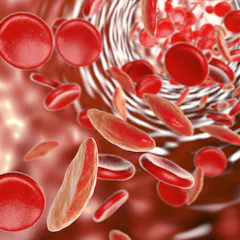
A new study has advanced the use of a technique known as ‘CRISPR’ to treat a common inherited form of anaemia.

The burden of communicable disease is declining in Africa and life expectancy is increasing. But non-communicable diseases like diabetes, cardiovascular disease and cancer are wreaking havoc.
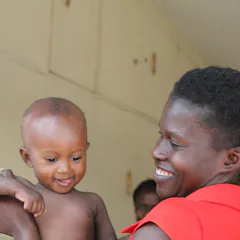
In Kenya, not much attention has been paid to addressing pregnant women’s nutritional needs. This has exposed a gap in efforts to improve maternal and child health.

Micronutrient deficiencies are not well understood as an aspect of malnutrition. The problem is that such deficiencies increase a range of health risks.
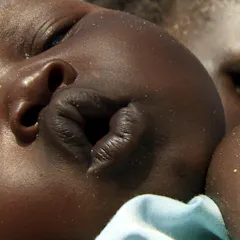
Over the last three years Kenya has seen marked improvements in its nutrition-related targets as a result of a national nutrition plan it has implemented.
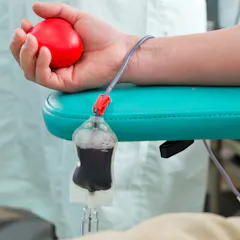
After years of conflicting research and often extreme opinions on iron, it turns out that like anything else that is a benefit in moderation, in excess it is a detriment.
Top contributors
-

Senior Researcher, Kenya Medical Research Institute
-
Laureate Professor in Nutrition and Dietetics, University of Newcastle
-
Project Manager, Cambridge Africa, Anglia Ruskin University
-
Senior Research Officer at Centre for Public Health Research , Kenya Medical Research Institute
-
Professor, School of Medicine, University of Connecticut
-
Adjunct Senior Research Fellow, Adelaide University
-
Senior Research Scientist, African Population and Health Research Center
-
Extraordinary Professor, Global Health, Stellenbosch University; South African Medical Research Council
-
Chair, The Conversation Media Group
-
Director DST-NRF Centre of Excellence in Food Security, University of the Western Cape
-
PhD Fellow - Sustainable Nutrition Initiative, Te Kunenga ki Pūrehuroa – Massey University
-
Research Fellow, MRC Clinical Trials Unit, UCL
-
Associate Senior Lecturer, Division of Molecular Medicine and Gene Therapy, Lund University
-
Centre for Reproductive Health Clinical Lecturer, University of Edinburgh
-
Senior Lecturer in Medical Genetics, Kingston University