
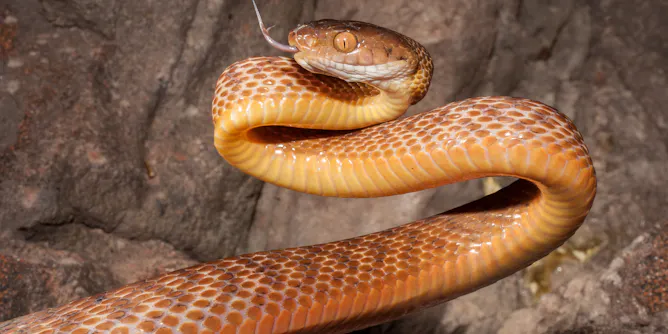
New research has found that since the mid-1980s, the economic impact of invasive reptiles and amphibians totals more than US$17 billion.
Articles on Amphibians
Displaying 21 - 40 of 61 articles
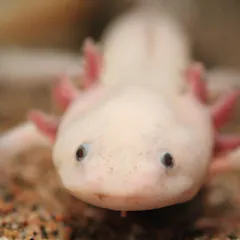
Axolotls are amphibians known for their ability to regrow their organs, including their brains. New research clarifies their regeneration process.
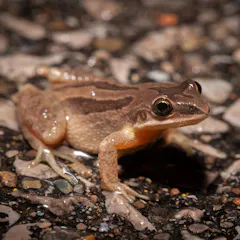
Habitat protection and restoration, advanced reproductive technologies and reintroduction procedures could help slow the decline of western chorus frogs and other amphibians.
If you’re hot, so are your four-legged neighbours.
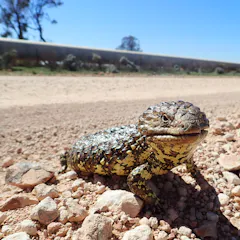
Our research is countering some previous ideas about what factors might slow down ageing. Further study could help us create targeted treatments in humans too.
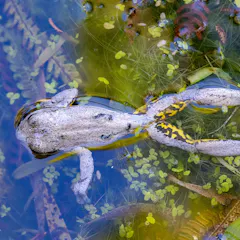
Thousands of sick and dead frogs are turning up around Australia, bizarrely lying out in the open. If you see one, let these scientists know.
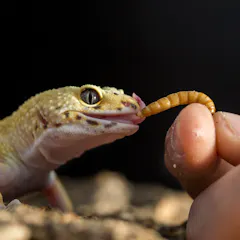
Reptiles get a bad rap, but this is because they’re misunderstood. Promoting healthy reptile pet ownership can contribute to conservation and education efforts.
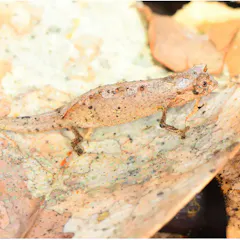
Madagascar stands out as an exceptionally interesting place in which to study the evolution of “mini” creatures. And we are only just starting to scratch the surface of this.
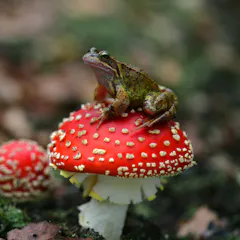
Britain’s native amphibians are in steep decline thanks to wetlands disappearing and ponds drying up.
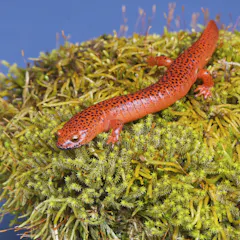
The Bsal fungus is not yet here in North America, or any place in the Western Hemisphere, but there is concern that the pet trade is the most likely route for introduction here.
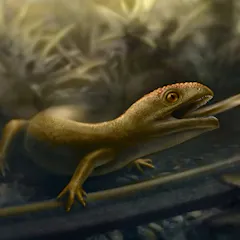
If albanerpetontids were around today, they’d easily fit in your hand. And although their bones are found all over the world, these unique amphibians eluded experts for a long time.

A new study examines the diet of an invasive population of guttural toads in Mauritius and finds a number of species of conservation concern.
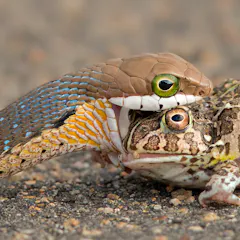
Social media has proved to be a helpful source of observations of snakes feeding. Knowing more about their diet is useful because it’s linked to their venom biochemistry.

Frogs are harvested as food by the millions every year. A new study shows that uncontrolled frog hunting could drive some populations to extinction by midcentury.
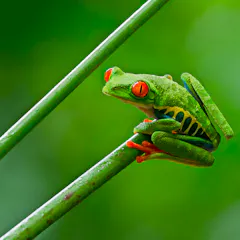
People sometimes release pets into the wild, resulting in biological invasions.

The island of New Guinea is home to 6% of the world’s frogs, but if the deadly chytrid fungus invades it could cause a mass extinction.
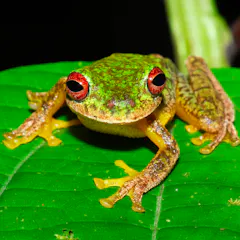
Chytrid fungus has caused declines in 501 amphibian species, according to a new analysis. Most of the damage happened in the 1980s, before the fungus itself was even discovered.
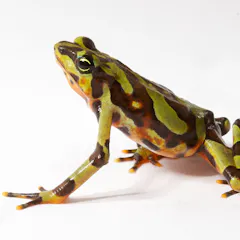
A look at new research published in 2018 on fossa, deepsea corals and tropical frogs developing resistance to a deadly fungus.

New genetic knowledge about cane toads could give us the knowledge we need to throw some more roadblocks in front of this persistent invader as it marches across Australia.
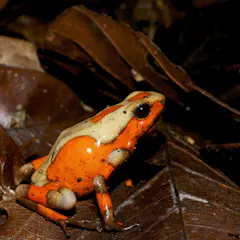
With their jewel-like colours, Colombia’s poison frogs are coveted by collectors. Does naming their species help protect them or make them a target for trophy hunters?
Top contributors
-

Curator, Amphibian & Reptile Conservation Biology, Australian Museum, UNSW
-
Research Fellow in Ecology, Australian National University
-
Professor of Fungal Disease Epidemiology, Imperial College London
-
Professor in Evolutionary Biology, Macquarie University
-
Scientist at South African National Parks & PhD student at the CIB, Department of Botany and Zoology, Stellenbosch University
-
Professor in Microbiology and Molecular Biology, UNSW
-
Professor of Biological Sciences, California State Polytechnic University, Pomona
-
Lecturer, Chemistry and Forensic Science, Nottingham Trent University
-
PhD candidate in biodiversity management, University of Kent
-
Adjunct Professor, Department of Biology, Laurentian University
-
Assistant Professor of Natural Resources Science, University of Rhode Island
-
PhD Candidate in Evolution, Ecology, and Organismal Biology, University of California, Riverside
-
PhD, University of Saskatchewan
-
Lecturer, Research Associate, Cal Poly Humboldt
-
Postdoctoral Researcher, Penn State