

A new review looked at 1,734 people with amyotrophic lateral sclerosis (ALS). But it couldn’t separate pesticide from other risk factors, such as head trauma.
Articles on ALS
Displaying all articles

As G7 societies age and birth rates decline, we must invest in collaborative open science research, to optimize brain health for every citizen.

A new study from Sweden links long-term air pollution exposure to higher risk of motor neurone disease and faster progression.

ALS is a progressive and fatal neurological disorder with no known cure. A new clinic offering treatment raises alarms about exploiting those living with ALS.

More and more countries are legalising voluntary assisted dying. But who is accessing it? The results of a recent international study provide some answers.
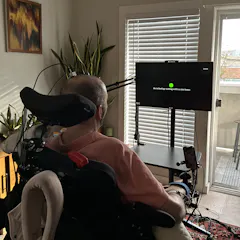
Listening in on neural activity is a promising way of restoring the ability to communicate for people whose bodies no longer can. Artificial neural networks are the key middleman in the process.
A new study shows that it is possible to reduce the symptoms of amyotrophic lateral sclerosis by reducing the inflammation caused by immune cells in the brain.

The person with the most YouTube followers calls himself ‘YouTube’s biggest philanthropist.’
FTD leads to changes in personality and behavior. Understanding its genetic and molecular causes could lead to new ways to treat neurodegenerative diseases.

Our new research with mice visualised how differently aged brains pump out toxic protein waste during sleep.

Genetic modifications to DNA regions involved in metabolism, cholesterol and immunity may play a role in ALS disease progression.
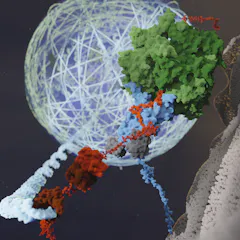
Insight on how a unique protein plays a role in cellular stress responses may provide more clues on how to treat diseases like ALS and Alzheimer’s.
Amyotrophic lateral sclerosis, Lou Gehrig’s disease, is a crippling, progressive neurodegenerative disease for which there is no cure. Now it seems that a diabetes drug may help some cases.

Nine states and the District of Columbia currently have laws that permit assisted dying, but the laws are so restrictive that they are often more hurdle than help.

You can probably hear Hawking’s famously computer-generated voice in your head. His example showed tech as a tool that enables people with disabilities to fully participate in and contribute to the world.
More than 2,000 Canadians have chosen medical assistance in dying (MAID) since legalization in 2016. But palliative care doctors aren’t embracing assisted suicide as part of their job.
While research for a cure for MND is underway, first we need to know what causes it.
A new kind of brain-computer interface has helped ALS sufferers who cannot move to communicate.

The Ice Bucket Challenge has been called “one of the most viral philanthropic social media campaigns in history”. The campaign has raised the profile of the Amyotrophic Lateral Sclerosis (ALS). But some…
Top contributors
-

Director of the Research School of the Social Sciences and Professor of Philosophy at the ANU, Australian National University
-
Lecturer in Philosophy, University of Sheffield
-
Associate Professor, School of Biomedicine, Adelaide University
-
Assistant Professor, Palliative Physician, Queen's University, Ontario
-
Executive Director of the Rural Institute for Inclusive Communities, and Associate Professor of Teaching and Learning, University of Montana
-
Lecturer in the School of Medicine, Adelaide University
-
Post-doctoral Researcher, University of Essex
-
PhD candidate in Neurogenetics, Utrecht University
-
Associate Professor of Anthropology, Brandeis University
-
Professor of RNA Therapeutics, Governor Paul Cellucci Chair in Neuroscience Research, Founding Director of Frontotempral Dementia Research Center, UMass Chan Medical School
-
PhD Student in Public Administration, University of Nebraska Omaha
-
Étudiant à la maîtrise en neurosciences, Université Laval
-
Scientist in Cell Biology, St. Jude Children’s Research Hospital Graduate School of Biomedical Sciences
-
Associate Professor of Medical Imaging, Monash University
-
Postdoctoral Researcher, Integrative Epidemiology, Karolinska Institutet