
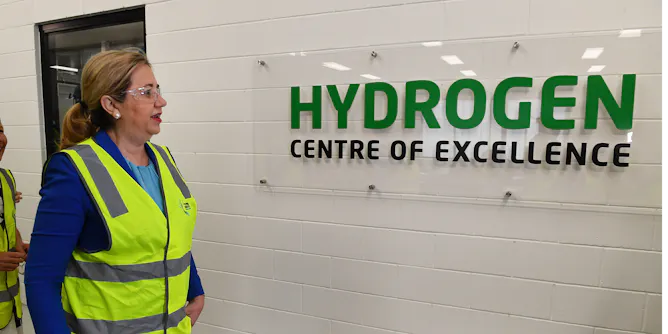
Australian governments have invested a lot of hope in hydrogen to help drive the net zero transition, but concrete policies are urgently needed or we will lose our hydrogen advantage to other nations.
Articles on Alan Finkel
Displaying 1 - 20 of 23 articles
Australia’s former chief scientist argues that the transition to clean energy is economically manageable and will ultimately yield benefits.
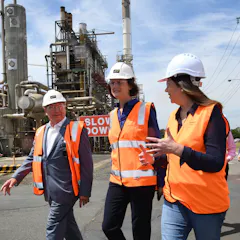
Australia’s business sector has recognised the profits to be made in the hydrogen transition. Acting quickly, and powering the shift with renewable energy, is key.
If Australia pushes ahead with producing fossil fuels, we may lock in a new high-emissions energy system, or one that’s uncompetitive. Clearly, green hydrogen is the best way forward.
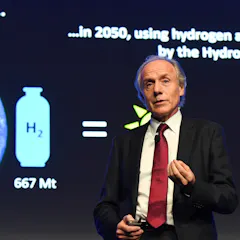
As he reaches the end of his five-year term, Australia’s Chief Scientist Alan Finkel reflects on his proudest achievements in the role - and why the biggest projects have been the most unexpected.
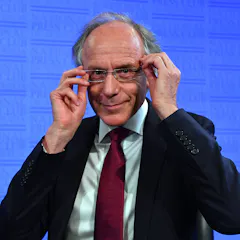
Chief Scientist Alan Finkel on climate, energy and emissions
Michelle Grattan discusses Australia's current climate policy and its 2050 targets, with Australian Chief Scientist Alan Finkel.
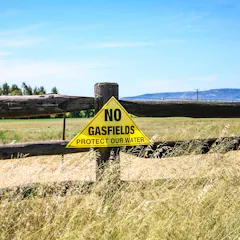
Investment in gas will not herald Australia’s economic recovery. It’s likely to hinder it.
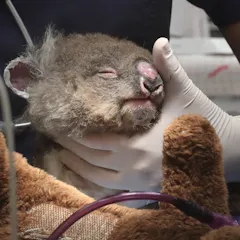
Ahead of National Science Week, Chief Scientist Alan Finkel reflects on the growing value of citizen science, emphasising the need for more collaboration as we deal with an evolving climate.
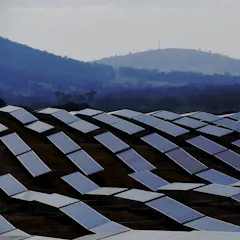
Coal and gas have been proposed as a way to make ‘clean’ hydrogen. But that road is full of challenges.
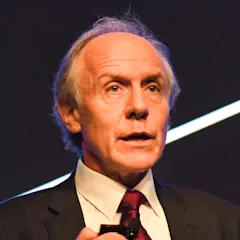
Just 1kg of hydrogen can power a split-cycle air conditioner for 14.5 hours. The possibilities are endless - and now we have a plan to get there.
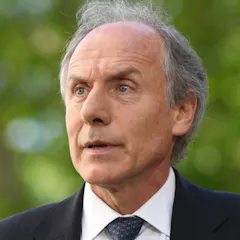
Australia’s top scientist Alan Finkel says too many poor quality research papers are being published in Australia, and the system may inadvertently encourage academics to behave badly.

Chief Scientist Alan Finkel writes we can do a better job of teaching students to master a discipline and maximise their post-school opportinities.
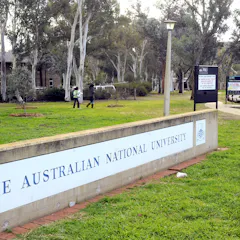
From 2020, ANU will require students to meet co-curricular requirements alongside ATAR. This significant policy shift is meant to improve equity of access, but won’t change much.
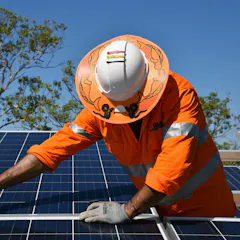
A recent report claims that Australia’s energy can reliably come from 50% renewable sources by 2030. But arguing over renewable levels distracts from a paucity of policy.
Talk of the government preparing to ‘walk away’ from the Clean Energy Target proposal is unnecessarily cynical.
Politics podcast: Alan Finkel on the future of Australia’s energy market
Alan Finkel acknowledges there's a hard road ahead for policymaking on energy.
Climate Council CEO Amanda McKenzie told Q&A that heatwaves were ‘worsening’ in Australia and ‘hot days’ had doubled in the last 50 years. Let’s take a look at the evidence.
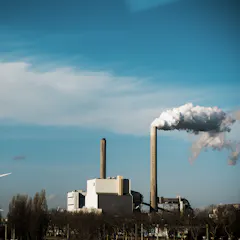
The energy security crisis has politicians leaping to unveil various schemes. But we don’t need piecemeal action – the Finkel review, due in June, aims to create a coherent new energy blueprint.
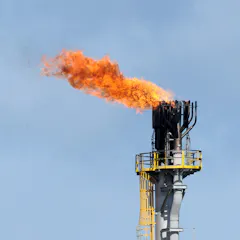
Earlier this year Australia’s energy market operator warned of a gas shortage, sparking fears of an energy crisis. But new research shows the projected shortfall is so small, it may already be closed.
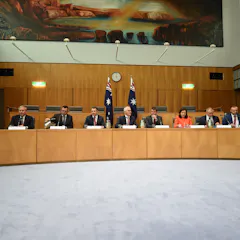
A ragged COAG meeting has ended with a split over a new competition agreement and public swipes at Malcolm Turnbull and his government.
Top contributors
-

Chair of ARC Centre of Excellence for Quantum Biotechnology, The University of Queensland
-
Professorial Fellow, University of Canberra
-
Professor, Crawford School of Public Policy and Director, Centre for Climate and Energy Policy, Australian National University
-
Senior Researcher, Urban Transformations Research Centre, Western Sydney University
-
Energy Fellow, Grattan Institute
-
Senior research fellow, Australian National University
-
Laureate Professor Emeritus, The Peter Doherty Institute for Infection and Immunity
-
President of the Australian Academy of Science, Laureate Professor Emeritus, The University of Melbourne
-
ARC Future Fellow and Associate Professor in Climate Science, ARC Centre of Excellence for 21st Century Weather, The University of Melbourne
-
Distinguished Professor, Australian National University
-
Research manager, Centre for Systems Genomics, The University of Melbourne, The University of Melbourne
-
Chair, The Conversation Media Group
-
Senior Fellow in Energy and Climate Change, Grattan Institute
-
Program Director, Energy and Climate Change, Grattan Institute
-
Professor, School of Economics, The University of Queensland