

It’s now clear that a single American company, Airbnb, has upended local housing markets, pushed rental prices skyward and could be contributing to poverty, especially in cities popular with tourists.
Articles on Airbnb
Displaying 41 - 60 of 90 articles

Companies like Google, Apple, Facebook, Amazon, Airbnb and Tesla are redefining key aspects of daily life such as work, mobility and leisure, using our cities as laboratories for their innovations.
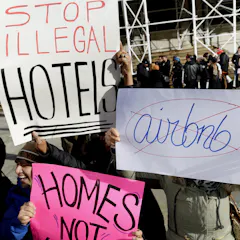
Short-term letting via digital platforms benefits some in the market at the expense of others. Closer regulation might be needed in Melbourne and Sydney, where a permissive approach prevails.
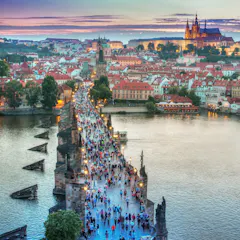
Cheap flights and irresponsible tourists are causing many holiday destinations to become overrun with visitors.
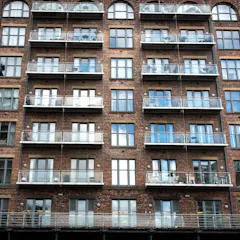
More and more housing in city-centres is being bought or built for the short-term rental market.

Chinese investment in the US has never been high, but the ongoing trade war could dampen it further, with significant long-term repercussions.
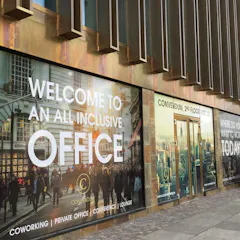
More people are choosing to work in shared spaces, and there are many benefits of this to the local economy, as well as downsides. Local governments should work with both.

As Canada’s federal government sends mixed signals on digital taxation, the U.S. Supreme Court overturned a historic precedent and paves the way for other countries to tackle the digital economy.
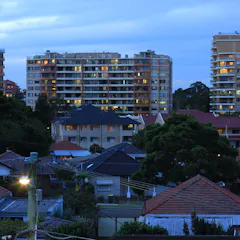
One problem with Airbnb is that it isn’t transparent about how many properties are truly ‘shared’ and how many are just part of a letting business. Regulators need to know that to manage the impacts.
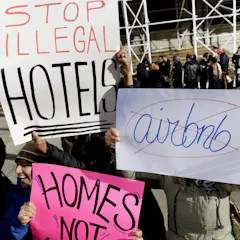
The patterns of Airbnb listings in Australia’s biggest cities suggest impacts on rental housing are likely to be biggest in high-end areas that appeal to tourists. Low-income areas are less affected.
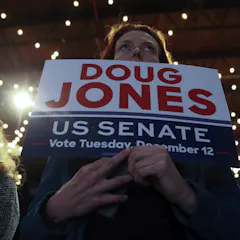
The word disruption describes an upheaval of institutionalized ways of doing things. Disruptors draw few distinctions between the valuable and less-valuable features of institutions.
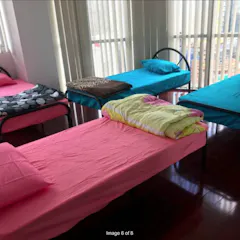
City living costs are driving people to organise themselves to share a room with strangers. These precarious living arrangements hardly qualify as a home.
About 10% of empty dwellings on census night – 1.2% of all housing – were available for rental and vacancy rates have changed little in 35 years. Could governments be overreacting?
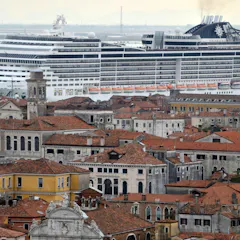
These lists have been all the rage this summer – but they haven’t calmed tensions between visitors and hosts much.
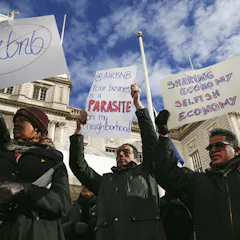
Dallas Rogers speaks with Nicole Gurran about the rise of AirBnb and what the limited data publicly available can tell us about how it's blurring the line between residential property and tourism.

The online game of geocaching shows there are ways to create value online that are not purely financial.

Digital social innovations are often associated with positive meanings, like openness and collaboration. But to better define the concept, it’s essential to disentangle it from its positive aura.

The digital pin-ups’ business models actually inhibit serendipity and, indeed, innovation by absorbing entire markets into the sealed-off space of their platforms.
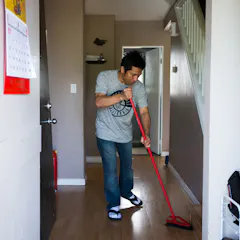
The business models of the gig economy often stand in the way of implementing minimum wages or conditions.
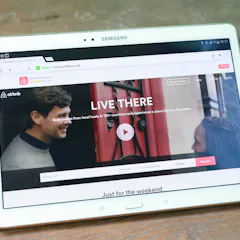
Without proper planning, legalising Airbnb may make housing even more unavailable and unaffordable in high-demand suburbs.
Top contributors
-

Professor of Urban and Regional Planning, University of Sydney
-
Emeritus Professor, Urban Planning and Policy, University of Sydney
-
Senior Research Fellow, City Futures Research Centre, UNSW
-
Lecturer in Tourism & Events, Glasgow Caledonian University
-
Associate Professor UTS Centre for Business and Social Innovation, University of Technology Sydney
-
Lecturer in Architecture, Monash University
-
Associate Professor of Marketing, RMIT University
-
Associate Professor of Human Geography, The University of Queensland
-
Affiliate Researcher, Work and Organisational Studies, University of Sydney
-
Lecturer, UNSW
-
Senior Research Associate in Media and Communications, University of Sydney
-
Associate professor in urbanism, University of Sydney
-
Professor of Marketing, The University of Melbourne
-
Senior Lecturer in City Planning, UNSW
-
Associate Professor of Marketing, Wayne State University