
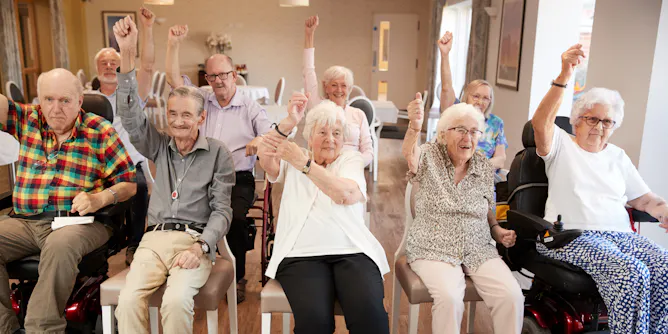
A large trial found no evidence that Hepa air filters reduce respiratory infections in care homes, challenging assumptions about their role in infection control.
Articles on Air Filters
Displaying all articles
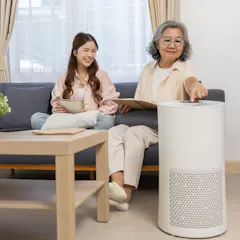
The gain isn’t huge, but it’s a notable improvement – similar to what people experience when they start exercising more.
An atmospheric chemist offers quick, easy and inexpensive suggestions to reduce indoor air pollution.

The notion that wildfire smoke is ‘natural,’ and therefore less harmful than other types of air pollution, is not supported by the evidence. Wildfire smoke has been linked to adverse health effects.

All up, your risk of catching COVID on a flight is very low. But there are things you can do to lower that risk even further.
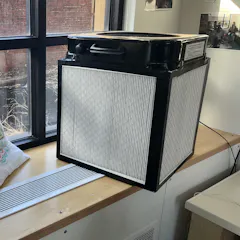
3D printers got a lot of attention when DIYers leapt to action to address equipment shortages early in the pandemic, but some everyday items found in hardware stores played a big role, too.
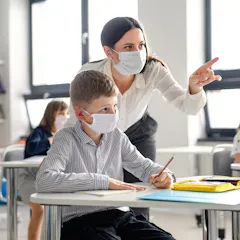
The NSW and Victorian government say they’re providing schools with adequate options for ventilation, including air filters. But schools can’t take proper action without monitoring air quality.
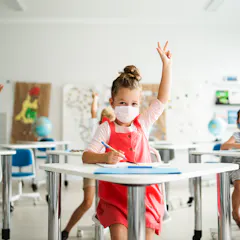
Air-ventilation upgrades have been badly needed in U.S. classrooms since long before the pandemic. Low-tech filtration systems that cost about the same as a textbook per student can make a big difference.
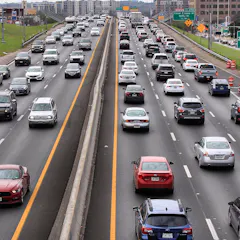
Living next to a highway is not great for health, but a new study shows that running air filters indoors can remove tiny particles of pollution and lower blood pressure.
Being indoors with other people is a recipe for spreading the coronavirus. But removing airborne particles through proper ventilation and air filtration can reduce some of that risk.
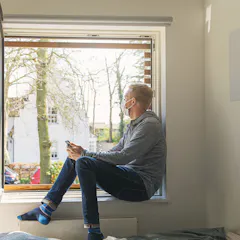
Good ventilation can reduce the risk of catching coronavirus. An environmental engineer explains how to know if enough outside air is getting into a room and what to do if ventilation is bad.
Top contributors
-

Professor of Public Health Science and Community Medicine, University of Connecticut
-
Professor of Mechanical Engineering, University of Colorado Boulder
-
Ph.D. Candidate in Analytical Chemistry, Colorado State University
-
Adjunct Professor of Architecture, University of Technology Sydney
-
Professor, Faculty of Health Sciences, Simon Fraser University
-
Associate professor, University of Illinois Urbana-Champaign
-
Professor Emerita, Nursing, School of Nursing and Midwifery, Griffith University
-
Professor of Medicine, University of East Anglia
-
Senior Research Associate, Norwich Medical School, University of East Anglia
-
Research Associate in Public Health Sciences, University of Connecticut
-
S. J. Archuleta Professor of Environmental Engineering, University of Colorado Boulder
-
Associate Professor of Biostatistics, Public Health and Community Medicine, Tufts University
-
Assistant Professor, Faculty of Health Sciences, Simon Fraser University