

As we set conservation goals for the next decade, we need to evaluate what worked and what didn’t in our efforts to meet the 2020 biodiversity conservation targets.
Articles on Aichi targets
Displaying all articles
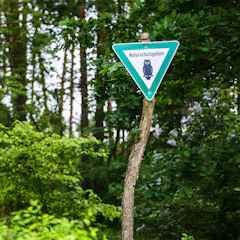
Hundreds of threatened mammal species don’t have a single protected area large enough to sustain a viable population.

New research finds the last 250 years has seen more than 100 million hectares of bird habitat destroyed on mainland Australia – that’s 15% of Australia’s landmass.
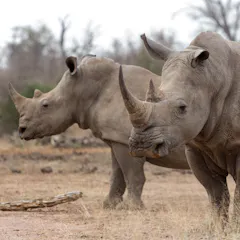
The 15th UN biodiversity conference recently wrapped up the online portion of negotiations.
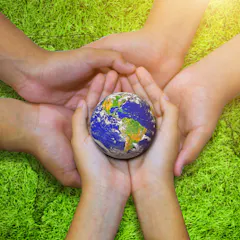
The global biodiversity framework will provide goals and targets to stem and reverse the decline in nature until 2050.
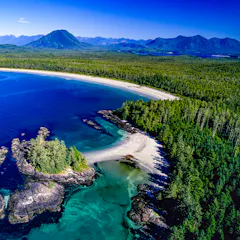
To combat the biodiversity crisis, we need to fundamentally shift our economy and society and make nature conservation the norm.

Among the human rights under threat are the rights to life, health, food, a healthy environment, water, an adequate standard of living and culture.
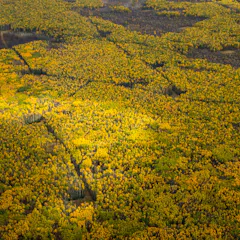
New research identifies areas where species may take refuge as the climate changes and finds they’re largely unprotected.
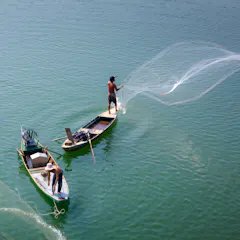
With the 2020 deadline for conserving biodiversity almost past, communities must now play a larger role in conservation.
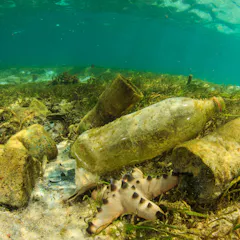
The hope is that the biodiversity targets translate directly into what individual countries, cities, companies and even families can adopt as tangible actions.
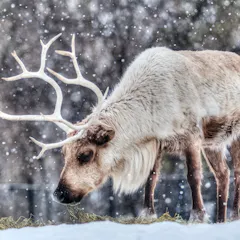
Canadians are more concerned about the environment than ever before. Here’s how to judge a party leader’s perspective on protecting biodiversity.
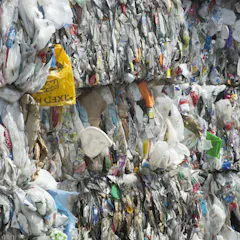
The global focus on plastic pollution isn’t a distraction from other planetary issues.
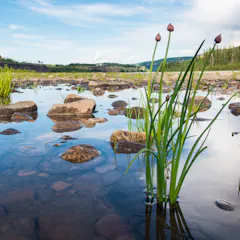
Countries can protect biodiversity and recognize Indigenous peoples as conservation partners.

Governments around the world have vowed to halt the loss of global biodiversity by 2020, but without more investment, we’ll miss some of the targets.
Top contributors
-

Associate Professor, Institute of Environmental Science and Department of Biology, Carleton University
-
Assistant Professor, Department of Biology, Carleton University
-
Professor, Department of Geography, Environment and Geomatics, University of Guelph
-
Director of CORDIO in East Africa and Adjunct Fellow, Pwani University
-
PhD candidate, School of Biological Sciences, The University of Queensland
-
Professor, Department of Biology, Acadia University
-
UN Special Rapporteur on human rights & environment and Associate Professor of Law, Policy and Sustainability, University of British Columbia
-
Professor of Applied Ecology, University of Reading
-
Professor, School of Environment, Resources and Sustainability, University of Waterloo
-
Adjunct Research Scientist, Conservation Biology and Arctic Ecology, Carleton University
-
Professor, School for Resource and Environmental Studies, Dalhousie University
-
Associate professor, Environmental and Geographical Science, University of Cape Town
-
Lecturer in environmental and geographical science, University of Cape Town
-
Assistant Professor, Institute for the Oceans and Fisheries, University of British Columbia
-
Researcher, Centre for Sustainability Transitions, Stellenbosch University