
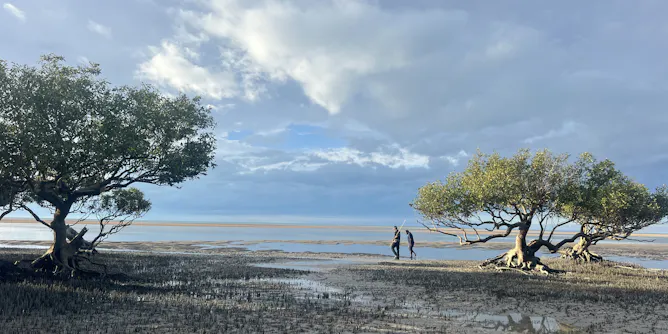
Since the first pilot program in 1998, Australia’s Indigenous Protected Areas have grown hugely. How can we strengthen them for the future?
Articles on Indigenous Protected Areas
Displaying all articles

New research examines the reasons for the decline of small mammals in Australia’s tropical savannas and identifies the most effective practical solutions.

In the 1940s, RAAF planes took aerial photographs of the Great Sandy Desert, capturing something valuable: the patterns of burning performed by our ancestors over generations.
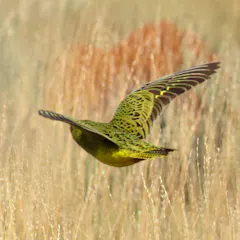
Urgent action is now needed to protect these vulnerable populations and ensure the night parrot doesn’t become extinct.
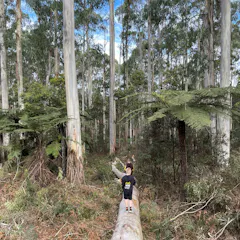
Proper biodiversity conservation requires long-term commitments to protect areas of land and water, as laid down in international guidelines.
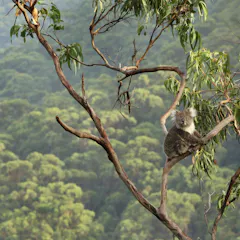
To protect nearly a third of Australia by decade’s end will mean expanding our national parks, Indigenous Protected Areas and protection across private land.
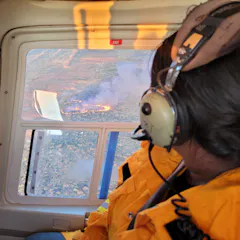
Deserts in Australia burn – and burn big – if fuel is left to build up. But this year, Indigenous rangers across the deserts have burned huge tracts early to make Country healthier.
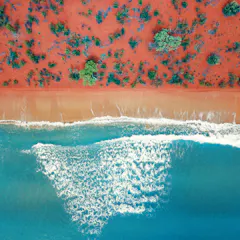
Australia’s protected areas have grown and grown. But at the same time, ecosystems are falling apart. How can that be?
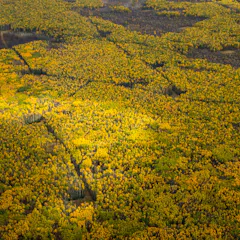
New research identifies areas where species may take refuge as the climate changes and finds they’re largely unprotected.
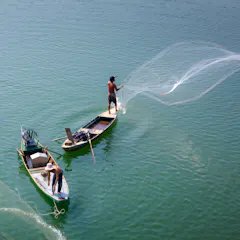
With the 2020 deadline for conserving biodiversity almost past, communities must now play a larger role in conservation.

Indigenous land stewardship, resource extraction and corporate interests remain critical issues to addressing large-scale environmental concerns such as pollinator loss in Canada and beyond.
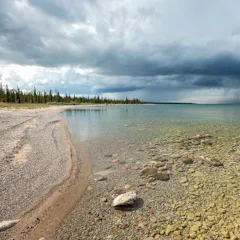
A holistic approach to conservation finds people have a place in the natural world and a responsibility to maintain it.
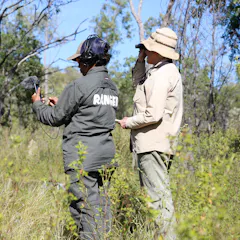
Australia relies on Indigenous people to meet our conservation goals, but they’re short-changed by federal funding.
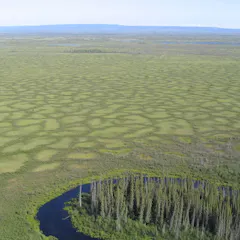
Indigenous conservation practices are more holistic and inclusive of humans and their knowledge.
Top contributors
-

Professor of Wildlife Conservation, Australian National University
-
Adjunct Professor in Environmental Sciences, Deakin University
-
Assistant Professor/ Professeure adjointe, Université de Montréal
-
Researcher, Centre for Sustainability Transitions, Stellenbosch University
-
Assistant Professor, Faculty of Environmental Studies, York University, Canada
-
Co-Chairperson of the Indigenous Desert Alliance and a Regional Land Management Coordinator at the Central Land Council, Indigenous Knowledge
-
Associate Professor, University of Tasmania
-
Lecturer, Environmental Humanities, Centre for the Study of the Inland, La Trobe University
-
Interdisciplinary Conservation Social Scientist, University of Cape Town
-
Professor of Geography and Environmental Studies, University of Tasmania
-
Coordinator of the Indigenous Guardian program in the K'atl'odeeche First Nation
-
Research Associate, Finding Flowers Project, Faculty of Environmental Studies, York University, Canada
-
Senior research fellow, Charles Darwin University
-
Adjunct Professor, Department of Renewable Resources, University of Alberta
-
Professor, School of Environment, Resources and Sustainability, University of Waterloo