
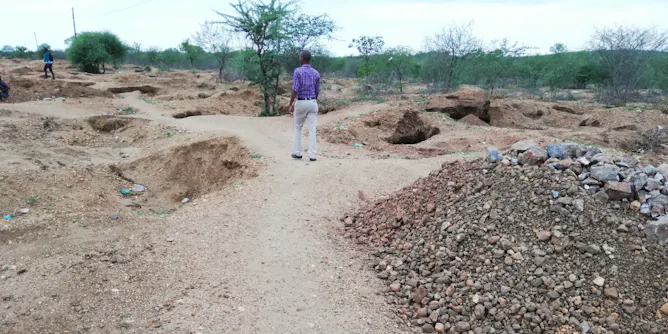
Smallholder farmers in Gwanda, rural Zimbabwe face droughts and rising temperatures from climate change. Their environment is also being damaged by artisanal gold miners, new research has found.
Articles on Agriculture + Land
Displaying 121 - 138 of 138 articles
South Africa’s agricultural sector’s potential can only be realized if new government focusses on implementation of existing policies rather than coming up with new ones
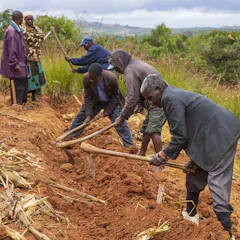
New research has found that smallholder farmers in Malawi can grow bigger maize crops if they plant maize with legumes in deep beds with natural ditches to catch water alongside.

Transitions to diversified farming systems in Africa will require financial support. But barriers can be overcome.

Sweet sorghum has multipurpose post-harvest uses. It can produce grains, animal feed and sugary juice, making it unique among crops.
Walking is a common way of getting around in most African cities

The South African government has failed to reverse the decline in smallholder farming that began during apartheid. A different approach is needed to support smallholder livelihoods.
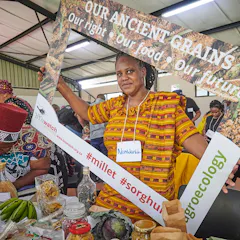
African governments must acknowledge the universal right to diverse and nutritious food if they are to end malnutrition. Five projects show how this can be done.

Through collaboration and resource sharing, smallholder rice farmers can enhance their productivity and achieve a fully mechanised farming system.
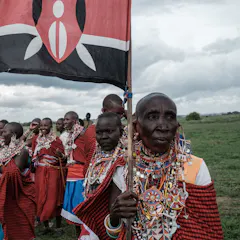
Conservation strategies should promote equitable benefits across communities.
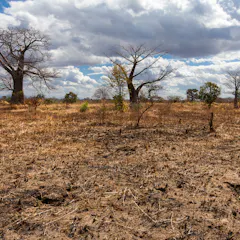
Governments in southern Africa don’t invest enough in weather forecasting and fail to work together to prepare for natural disasters, leaving the most vulnerable exposed to successive droughts.
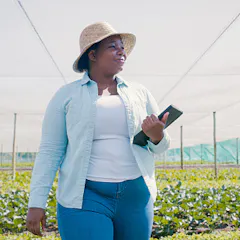
Almost 25% of all farmland previously owned by white landowners has been restored, redistributed to black South Africans, or moved away to state ownership.
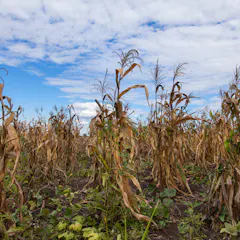
Approximately 22% of Malawians are food insecure, partly because of the poor maize harvest in 2023.
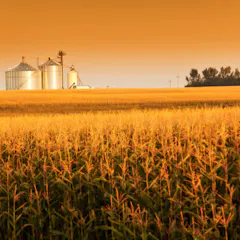
The whole southern Africa region has taken strain and will see a significant reduction in the volume of the crop produced.
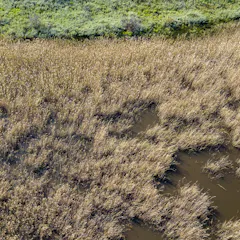
Wetlands can prevent flooding, trap carbon and support livelihoods, as long as they are protected and managed.
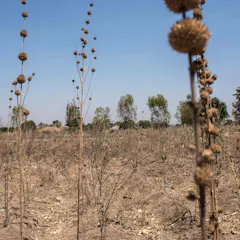
Food security experts recommend that rural farmers in Malawi be given access to irrigation systems to free them from reliance on rain, and find ways outside farming to earn an income.
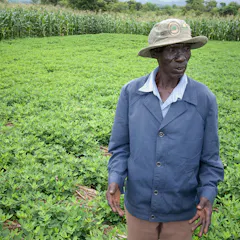
Just three plant species – wheat, maize and rice – account for 60% of all food eaten globally. A crop science expert argues that many of Africa’s 30,000 edible plants must be revived.
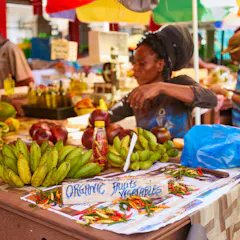
The African Food Systems Transformation Collective says COP28 must enable transition from fossil-fuelled food systems and leverage indigenous knowledge so that all can sustainably access good food.
Top contributors
-

Senior Fellow, Department of Agricultural Economics, Stellenbosch University
-
Senior Lecturer at Oyo State College of Agriculture and Technology, Igboora, Nigeria and Extraordinary Senior Lecturer at Indigenous Knowledge Systems Centre, North-West University, Mafikeng, South Africa, North-West University
-
Ass. Professor, University of Maryland Eastern Shore; North-West University
-
Professor of Climate Change, Food Systems and Health and Director of The Lancet Countdown in Africa, London School of Hygiene & Tropical Medicine
-
Research Active Lecturer, Discipline of Psychology, Charles Darwin University, Charles Darwin University
-
Senior Research Fellow & Malawi Country Program Leader, International Food Policy Research Institute (IFPRI)
-
Professor and DSTI/NRF SARChI Bio-economy Research Chair, University of Cape Town
-
Economist at the Centre for Competition, Regulation and Economic Development, University of Johannesburg
-
Senior Researcher, Associate Professor: Economic Management Sciences, University of Pretoria
-
Research entomologist, Department of Conservation Ecology and Entomology, Stellenbosch University
-
Senior Researcher, Agricultural Research Council - Animal Production, University of KwaZulu-Natal
-
Teaching Assistant Professor, University of Pittsburg and Visiting Associate Professor, The University of Osaka, University of Pittsburgh
-
Senior Researcher and Statistician, University of Hohenheim
-
Research Fellow, International Food Policy Research Institute (IFPRI)
-
PhD Candidate, University of Memphis