
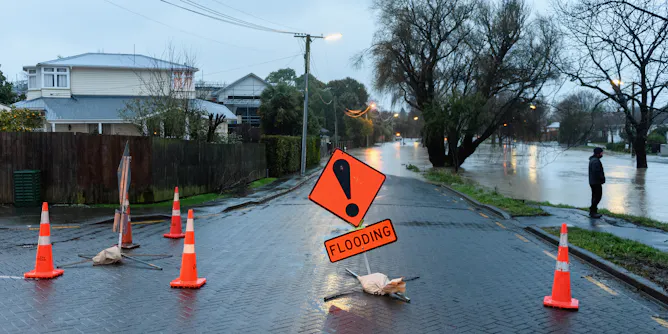
Only 3% of spending on natural hazards focuses on reducing risk, allowing governments to shift liability but leaving communities unprepared.
Articles on Agricultural emissions
Displaying 1 - 20 of 23 articles

Most New Zealand adults consume more protein than the recommended amount. They could reduce meat without risking inadequate protein intake.

If every dog ate a vegan diet, it would prevent the equivalent of the UK’s annual CO₂ emissions.
Policies and funds to decarbonise high-emitting industries and electrify transport are already delivering emissions cuts. But they are at risk of being disestablished or weakened.

Farmers once held immense power in New Zealand, and the National Party was their natural home. But the old order has been under threat for some time, with this election making the fault lines clear.
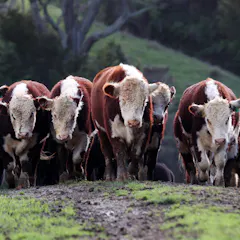
The issue of ‘carbon leakage’ is used to argue against domestic pricing policy that could reduce agricultural production. But New Zealand farmers could benefit if competing countries also take action.
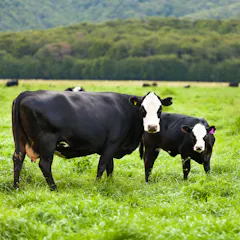
Dairy farming accounts for a quarter of New Zealand’s total emissions. Fermentation technology could help cut agricultural emissions, while also restoring water and ecological quality.
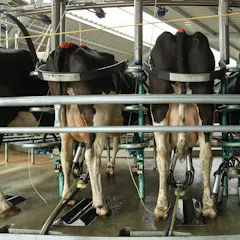
Uncertainty around the government’s proposed agricultural emissions pricing scheme is creating a vacuum in the public debate. Maybe it’s time to hand the reins to someone else.
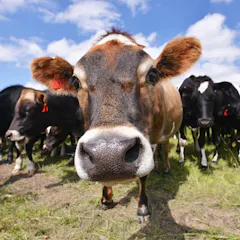
The He Waka Eke Noa partnership will require farmers to embrace strategies and technologies to reduce emissions. But there are a lot of unanswered questions about how it will work in practice.
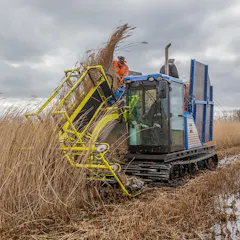
Drained peatlands contribute five per cent of global carbon emissions. Paludiculture, or agriculture on wet peatlands, protects peatlands and allows farmers to maintain their livelihoods.

Australia is one of the world’s top exporters of grain. Producing it at lower emissions is crucial for global climate action.

The average amount of meat a person ate each year worldwide increased from 29.5kg in 2000 to 34kg in 2019. But there are some surprising differences between nations, including Australia and NZ.
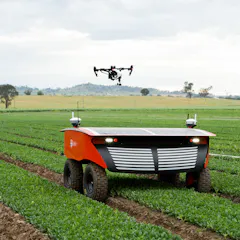
Universities have long been developing research, talent and technology that, with the right mix of industry and government support, will allow Australia to emerge as a green export and R&D leader.
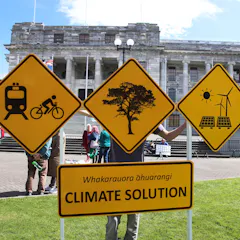
The Climate Change Commission releases New Zealand’s first comprehensive plan to cut emissions, calling on the government to “pick up the pace”.
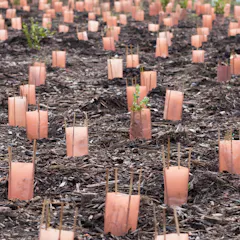
If agricultural land was used to grow crops, it would limit methane emissions from livestock, but not store a substantial amount of carbon. Growing trees is what makes the difference.

Food choices make a difference to the climate impact of our diet. Every step towards eating a more plant-based diet results in lower emissions, better population health and reduced healthcare costs.
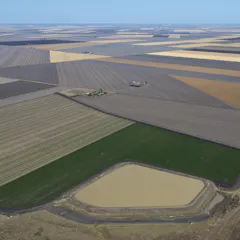
There are plenty of barriers, but if we really want to we can feed the world on plant protein (largely from legumes).
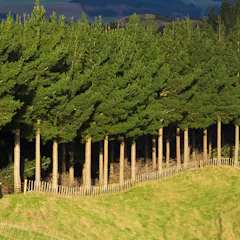
A new report suggests New Zealand should rethink climate policy and use forests to offset only agricultural emissions, which make up half of the country’s total emissions, and not carbon dioxide.

New Zealand has set itself a goal of becoming carbon neutral by 2050, and a recent report by the Productivity Commission lays out how it could hit that target.

The year is 2067. The world has gone vegan and ‘meat’ is only a horrific memory.
Top contributors
-

Professor in Applied Mathematics, Te Kunenga ki Pūrehuroa – Massey University
-
Adjunct Senior Fellow in Renewable Energy Systems Engineering, University of Canterbury
-
Professor of Sustainability, Lancaster University
-
Research Officer, Lincoln University, New Zealand
-
Research Fellow, Curtin University
-
Professor of Environmental Science, Auckland University of Technology
-
MSc Environmental science and sustainability, Université de Montréal
-
Professor Environment and Health, University of Otago
-
Senior Principal Research Scientist, CSIRO
-
Professor, Department of Management, HEC Montréal
-
Adjunct Senior Research Fellow, University of New England
-
Research Officer, Lincoln University, New Zealand
-
Emeritus Professor, Energy and Climate Mitigation, Te Kunenga ki Pūrehuroa – Massey University
-
CSIRO
-
Senior Researcher on Environment and Health, University of Oxford