
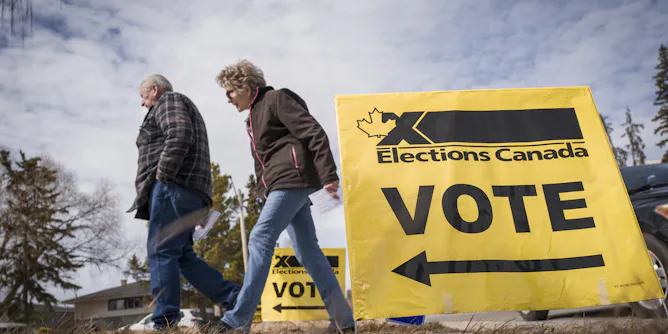
Why Canada needs to put seniors’ care back on the agenda, not only in this election but also in its aftermath.
Articles on aging at home
Displaying all articles

Mobility matters because it allows us to live independently and participate fully in our everyday activities for as long as possible.

Three-quarters of health care in Canada is provided at home by unpaid family caregivers. Not only is this essential health-care work often unrecognized and under-supported, it is rapidly changing.

I’m happy again: A pandemic-induced move to virtual music theatre presents a paradigm shift for the genre, yet reveals surprising benefits in facilitating new access to music in community.
Frailty — the physical limitations of seniors living in the community — needs to be assessed before it can be addressed with social and health support. Virtual assessments can speed up this process.

A study shows the COVID-19 pandemic has made Canadians fear sub-standard and dangerous living conditions in nursing homes. They want home care, and tax policies that will support it.
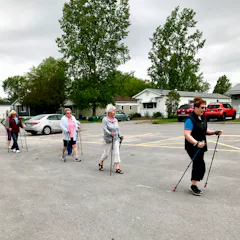
Naturally occurring retirement communities, or NORCs, are unplanned communities that have a high proportion of older residents. They may be critical to finding housing solutions for aging Canadians.

Governments must think about older people’s relationships with pets when they’re planning both aging-in-place strategies and disaster management.
Top contributors
-

Associate professor, Queen's University, Ontario
-
Professeure titulaire en Sciences Economiques, Université du Québec à Montréal (UQAM)
-
Research Project Manager, School of Rehabilitation Therapy, Queen's University, Ontario
-
Assistant Professor, Department of Finance, HEC Montréal
-
Research director (CNRS), Toulouse School of Economics – École d'Économie de Toulouse
-
Assistant Professor, Economics, Carleton University
-
Senior Analyst, ICES, Queen's University, Ontario
-
Assistant Professor, Faculty of Health Disciplines, Athabasca University
-
Assistant Teaching Professor, Nurse Practitioner Program, Faculty of Nursing, University of Alberta
-
Director and Associate Professor, DAN School of Drama and Music, Queen's University, Ontario
-
Associate Professor, School of Rehabilitation Therapy, Queen's University, Ontario
-
Assistant Professor, Economics, University of Groningen
-
Associate Professor, School of Rehabilitation Therapy, Queen's University, Ontario
-
Associate Professor and Queen's National Scholar in Music Theatre and Opera, Queen's University, Ontario
-
Assistant Professor, Faculty of Health Sciences, Simon Fraser University