
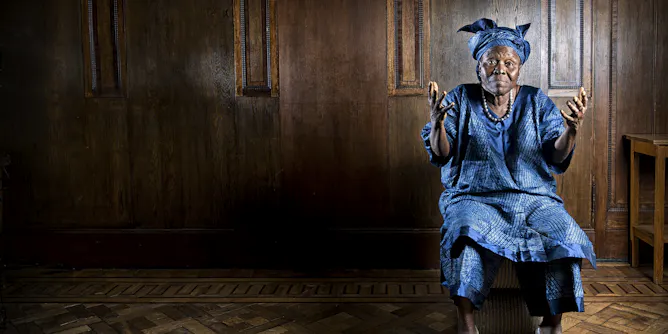
Oluwole faced a double challenge: a woman in philosophy and an African, confronting both sexism and Eurocentric bias.
Articles on African cultures and traditions
Displaying 1 - 20 of 25 articles
There is no single way of becoming an adult in the world.

A Kenyan exhibition working with communities in conflict zones offers insights into how Côte d'Ivoire could use the drum for reconciliation.
The yardstick of progress is broken. It’s time to stop using wealth alone to measure how Africa is doing.

The award-winning South African drama series is back for a second season. How true is it to Zulu culture?
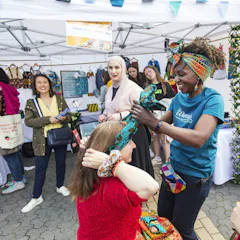
Research finds cultural festivals are meaningful events for the communities they celebrate, as well as enriching experiences for others in attendance.
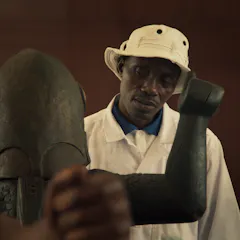
The film restores the agency of the objects at the heart of the Dahomey restitution case by transforming them into a living culture.

To better understand Ghanaian women in Manchester, England, we asked them to tell the “stories” of their everyday cooking through photographs.

By bridging culture and computation, heritage algorithms challenge the myth of ‘primitive cultures’ and forge a new understanding of science and art.

Instead of displaying myths, Samburu rock art reveals real-life stories and is made as a leisure activity.
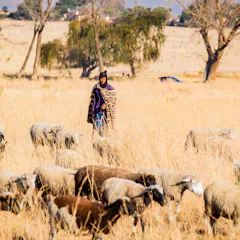
South Africa’s land reform programme is designed for a socio-economic context that doesn’t exist.
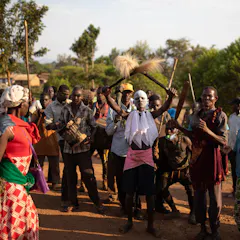
The ritual site becomes a communal classroom where songs and dances teach history, impart values and preserve cultural identity.
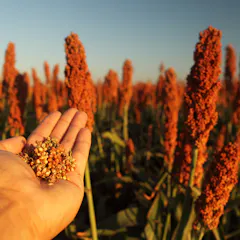
Known as ting or amazimba, indigenous sorghum is resilient and rich in cultural and health benefits – yet crops are declining.

Traditional leaders do not adequately represent the interests of rural communities in dealing with mining companies.

South African customary law should be understood from the perspective of dissonance between the past and the present.
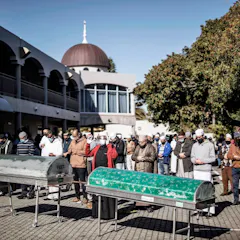
It is important that procedures surrounding funerals are developed by public health officials alongside traditional and religious authorities.

The Bomvana say the global development agenda has created division because it sees people as individuals rather than primarily as members of a collective.
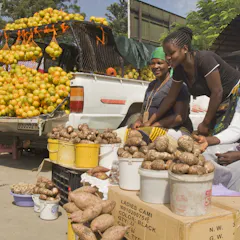
South African commercial law courses do not address the question of what norms and procedures govern business relations in indigenous African communities.
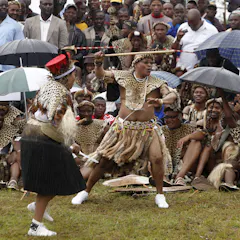
Both South Africa’s courts and its legislature have failed to do their bit in creating a culturally diverse society.

We should be wary of simplified and sweeping explanations about the scope for potential social and political reforms the middle classes can promote.
Top contributors
-

Associate Professor of Commercial Law, University of Cape Town
-
Associate Professor (Archaeology), University of South Africa
-
LLD - Private Law, University of the Western Cape
-
Chercheuse en anthropologie de la santé (CRCF)/TransVIHMI, Institut de recherche pour le développement (IRD)
-
Post-Doctoral Research Fellow, University of Johannesburg
-
Anthropologue, médecin et chargé de recherche à l'IRD, Institut de recherche pour le développement (IRD)
-
Professor of Information, University of Michigan
-
Professor in Archaeology, Linnaeus University
-
Associate professor, Global Change Institute, University of the Witwatersrand
-
Director of Empower the Northern Frontier, Linnaeus University
-
Professeur de sociologie, Université Alassane Ouattara de Bouaké
-
Research fellow in nutrition, University of Ghana
-
University Diversity and Social Transformation Professor, Stamps School of Art & Design, University of Michigan
-
Lecturer, Makerere University
-
Emeritus Professor of Private Law, University of Cape Town