
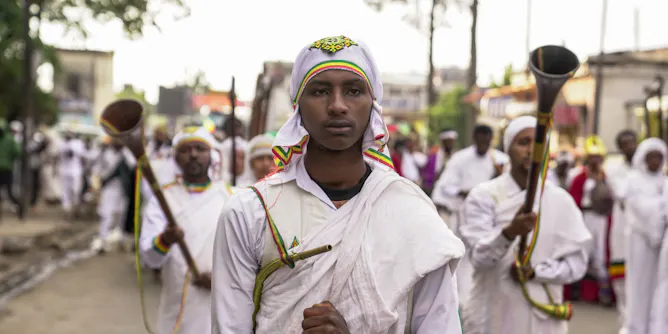
Musicians established themselves in the US, where they continued to practice their cultural life, which flourished.
Articles on Africa refugees
Displaying all articles
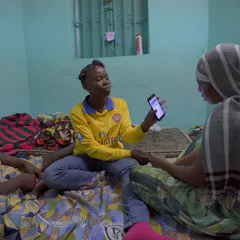
Lifting awards at film festivals is just the start of the journey for documentaries like The Last Shelter (Mali), No U-Turn (Nigeria) and No Simple Way Home (South Sudan).
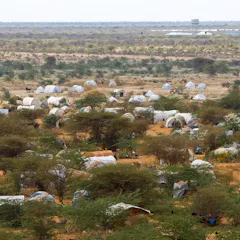
Many African countries host large numbers of asylum seekers. But should they be held in camps, or be allowed to integrate into cities?
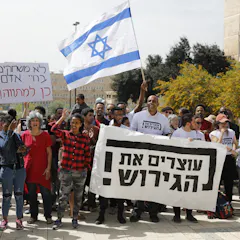
A day after agreeing a deal on resettling African asylum seekers with the UNHCR rather than forcibly deporting them, Israel announced the deal was off.
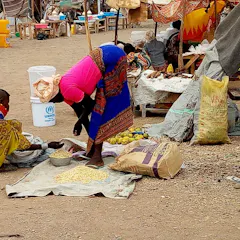
Refugee policy may well be a humanitarian issue. But it is also a development issue.
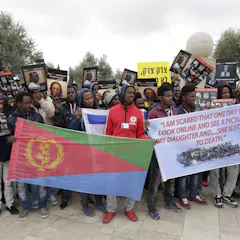
Israel is deporting thousands of Eritrean asylum seekers to Rwanda, while in the US, many face being sent back to the country they fled.
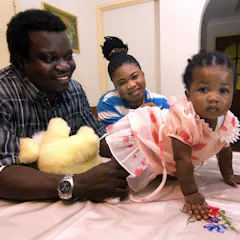
While 60-77% of migrants of African origin and 59% of Indigenous Australians report experience of discrimination in the Scanlon Foundation survey of Australian attitudes, optimism endures.
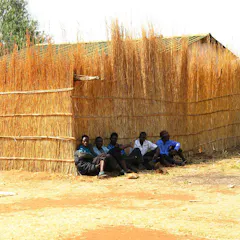
There is belief among some that climate change drives human displacement, but research in Malawi suggests otherwise.
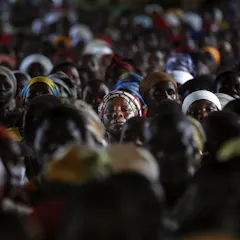
East Africa is dealing with drought, famine, political instability – and hundreds of thousands of people in search of safety.
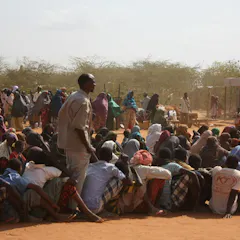
The timing of Kenya’s announcement that it will close the world’s largest refugee camp, and its reasons for doing so, hold important lessons for understanding refugee situations around the world.
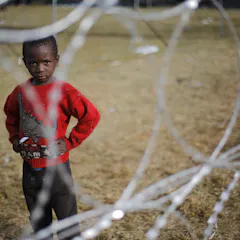
Migrant children may feel uncomfortable or shy trying to verbally explain their experiences. Photography is a powerful medium through which to make their voices heard.
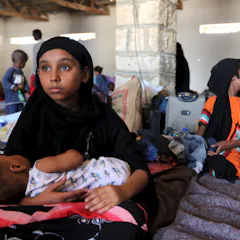
Although Africa is familiar with large-scale refugee crises, it is uncommon for it to host people seeking protection from outside the continent, as is the case with thousands of Yemeni refugees.
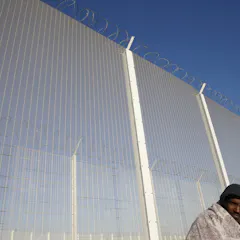
The European obsession with labeling people either economic migrants or refugees hampers understanding of the problems they face. Adding the role remittances play to the debate would help.
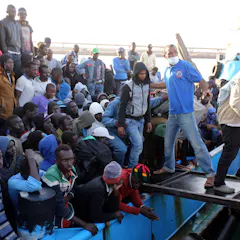
The migration of early Africans into the Middle East, then across the Mediterranean into Europe and Asia – and eventually into the Americas and Australia and the Pacific Islands – is the origin of today’s humanity.
Top contributors
-

Senior Research Fellow, Horn of Africa and Southern Africa, Institute of Commonwealth Studies, School of Advanced Study, University of London
-
Senior Lecturer, Faculty of Law, University of Tasmania; Visiting Fellow, Andrew and Renata Kaldor Centre for International Refugee Law, UNSW, University of Tasmania
-
Visiting Lecturer, Department of International Politics, City St George's, University of London
-
Senior Lecturer in Education, University of Manchester
-
Professor of Physical Climate Change; Director of the Priestley Centre for Climate Futures, University of Leeds
-
Professor of Globalisation and Development; Director of the Oxford Martin Programmes on Technological and Economic Change, The Future of Work and the Future of Development, University of Oxford
-
Director of the Arrell Food Institute and Professor in the Dept. of Geography, Environment and Geomatics, University of Guelph
-
Professor of Forced Migration and International Affairs, University of Oxford
-
Emeritus professor, Monash University
-
Researcher in the Department of International Development, University of Oxford
-
Vice Chancellor's Research Fellow in Global Challenges, Northumbria University, Newcastle
-
Senior lecturer in Screen Production and Film and Television Studies, University of Cape Town
-
G. Gordon Watts Professor of Music and Professor of African and African American Studies, Harvard University
-
Lecturer and Senior Research Fellow at the South African Research Chair in International Law (SARCIL), University of Johannesburg
-
Lecturer in Screen Production and Film Theory & Practice, University of Cape Town