
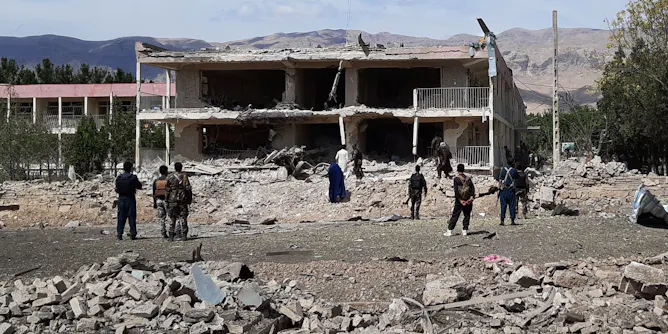
In February, the US signed an historic accord with the Taliban to end the Afghanistan War. Now violence in the country is up and peace talks with the government are delayed yet again.
Articles on Afghanistan War
Displaying 81 - 100 of 115 articles
An imminent report on Australian Special Forces’ behaviour in Afghanistan is expected to delivery damning findings.
A faltering peace agreement between the US and the Taliban and stalled intra-Afghan negotiations mean sustainable development has been ignored.

There are many hurdles to a successful prosecution of individuals accused of war crimes and crimes against humanity. But trying to seek justice is not a futile exercise.
On Tuesday, the Inspector-General of the Australian Defence Force tabled a report, detailing an inquiry into 55 separate incidents, dealing predominantly with the killing of “non-combatants”
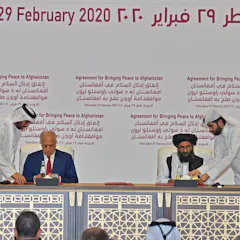
A peace deal with the Taliban has been signed. But rebuilding Afghanistan after three decades of conflict will take much more than an accord, says a scholar of peacebuilding.
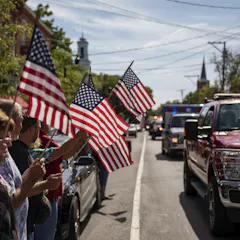
US officials have consistently lied over decades about progress in the Afghanistan war. The lies are no surprise, writes a foreign affairs scholar – but they have profound consequences.
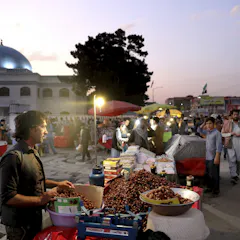
Building a lasting peace in Afghanistan will take much more than an accord with the Taliban. In post-conflict nations, economic development and job creation are critical to national security.
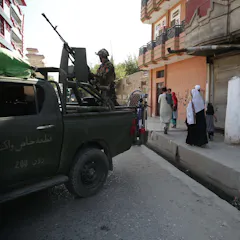
An official inquiry is underway to examine if New Zealand troops committed war crimes in Afghanistan during an event known as Operation Burnham, when six civilians were killed.
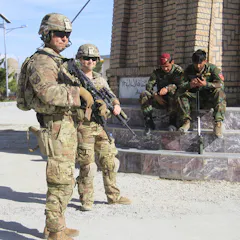
A ceasefire and peace agreement in Afghanistan may mean that the Taliban would have to lose their “terrorist” classification and turn from despised outlaws to legitimate powerbrokers.
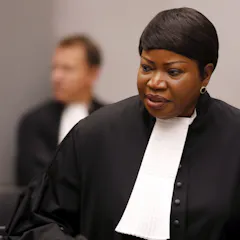
International law has deep connections to structures of power and inequality. Thankfully, committed jurists like Fatou Bensouda are fighting oppression through their unapologetic acts of resistance.
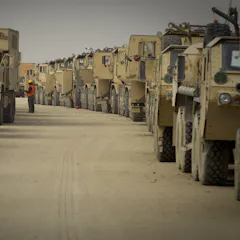
A new study looks at obituaries of private military contractors killed at war. The majority are white men with significant military experience.

The US has been at war in Afghanistan since a few weeks after 9/11. Now we are negotiating a peace with the Taliban, the same insurgents who sheltered Osama bin Laden.
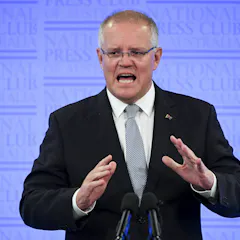
Too often, politicians use matters of national security for nakedly political advantage. It’s a dangerous ploy, and it’s time it stopped.
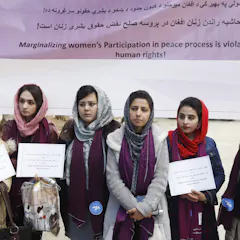
The US is negotiating a peace agreement with the Taliban, so it can safely withdraw its troops. But how can peace last in Afghanistan if women aren’t at the negotiating table?
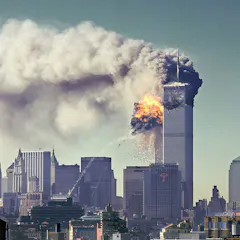
Though more consequences are likely to develop in the post-9/11 era, the war on terror, heightened government surveillance and Islamophobia are notable legacies of this early 21st century tragedy.
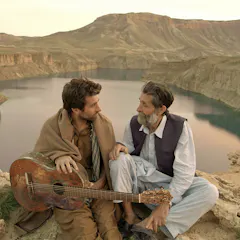
Jirga has a clear message to the Taliban, Westerners, and other Afghans - even in the horror of warfare you can’t escape moral accountability.
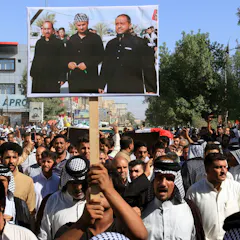
The wars against Islamic State and al-Qaida show that military responses may seem to work in the short term but don’t change much in the long run.
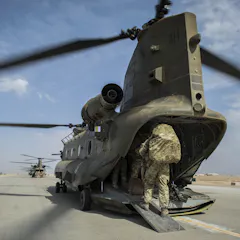
A committee of MPs has lambasted a government scheme designed to protect Afghan civilians who worked for the British.
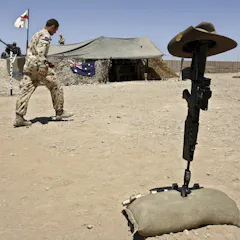
With the Taliban ramping up its attacks once again, the war in Afghanistan shows no sign of ending.
Top contributors
-

Professorial Fellow, University of Canberra
-
Director, Center for Afghanistan Studies, University of Nebraska Omaha
-
Tony Walker AM is a Friend of The Conversation.
Director, La Trobe University
-
Associate Professor of Political Science and Middle Eastern Studies, Indiana University
-
Professor of Anthropology, Emerita, Concordia University
-
Faculty Lecturer, Johns Hopkins University
-
Professor of Politics and International Affairs, Wake Forest University
-
Professor of Law, University of Waikato
-
Chair in Global Islamic Politics, Alfred Deakin Institute for Citizenship and Globalisation, Deakin University
-
Professor of International Security and War Studies, University of Southern Denmark
-
Associate Professor of International Relations and Women's, Gender, and Sexuality Studies, Stanford University
-
Education and Outreach Program Coordinator, University of Nebraska Omaha
-
Senior Professorial Lecturer of Global Governance, Politics and Security, American University School of International Service
-
Professor in The Division of Global Affairs and The Department of Political Science, Rutgers University - Newark
-
Assistant Professor of History, Penn State