
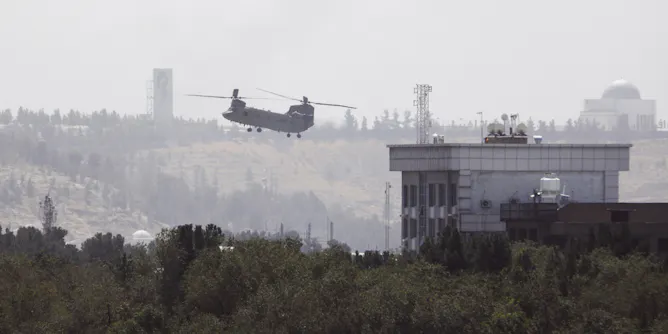
The Taliban ‘expect a complete handover of power.’ Experts explain who the Taliban are, what life is like under their rule and how the US may bear responsibility for Afghanistan’s collapse.
Articles on Afghanistan War
Displaying 61 - 80 of 115 articles
Afghanistan’s strategic location, and the support for the Taliban from neighbouring countries, means the current Taliban advances were unavoidable.
For much of the country’s history, Americans won their wars decisively, with the complete surrender of enemy forces and the home front’s perception of total victory.
Academic research in conflict zones suggests Ghani’s resignation could actually be Afghanistan’s best chance at peace – but not under the conditions the Taliban is demanding.
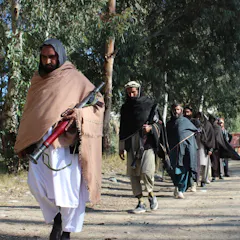
Two decades have passed since the US invasion of Afghanistan toppled the Taliban’s Islamic extremist regime. Despite efforts to update its image, the group still holds hard-line views.

After 20 years in Afghanistan and many promises made, the U.S. does hold responsibility for Afghans’ fate, including their human right to access education.
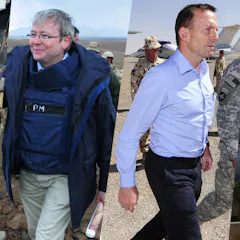
Australia’s declaration that it still cares about Afghanistan, is undermined by it’s decision to close the national embassy in Kabul.
military watch-dog Neil James on Afghanistan, China, and Peter Dutton
Michelle Grattan discusses the Australian military with executive director of the Australia Defence Associate, Neil James.

The political power of veterans is being put on show - as the government announces plans for a royal commission into veteran suicide.

University of Canberra Professorial Fellow Michelle Grattan and Director of the Institute for Governance & Policy Analysis, Dr Lain Dare discuss the week in politics.
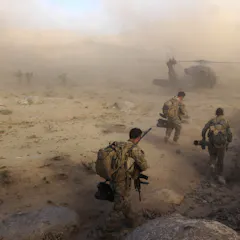
Afghanistan sharpened Australia’s fighting capacity and capability. But we were still part of a spectacular failure of political and military leadership.
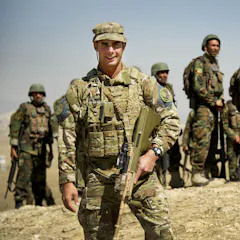
Australia will pull out its remaining 80 troops from Afghanistan by September, marking the end of its longest involvement in a war.
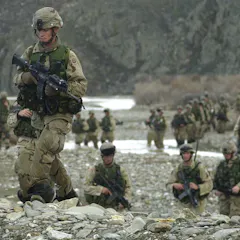
The Afghanistan War now has an end date: 9/11/21. Experts explain the history of US involvement in Afghanistan, the peace process to end that conflict and how the country’s women are uniquely at risk.
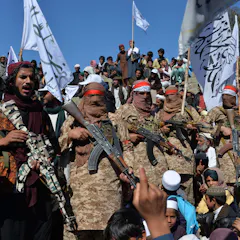
Because the Taliban’s insurgency is so well financed, the Afghan government must spend enormous sums on war, too. A peace accord would free up funds for basic services, economic development and more.
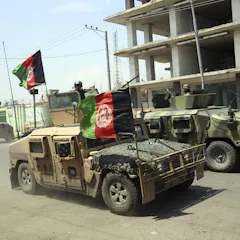
Pulling out roughly half the U.S. troops in Afghanistan is part of an effort to find peace, but may unbalance a precarious stalemate.
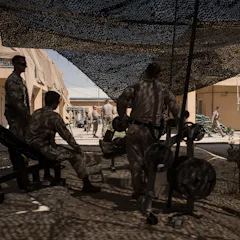
Investigations of the 9/11 attacks show that a short, unstable transition between two presidents can weaken US security. Trump’s sweeping staff changes compound the risk, experts say.
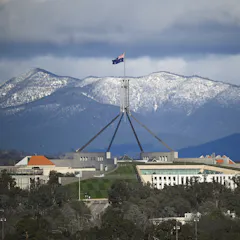
University of Canberra Professorial Fellow Michelle Grattan and Director of the Institute for Governance & Policy Analysis, Dr Laine Dare discuss the week in politics.
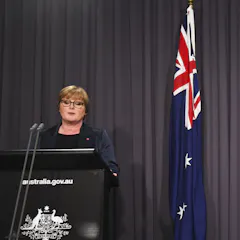
The government is setting up a special investigator office to examine the findings of the inquiry into alleged misconduct by Australian special forces in Afghanistan between 2005 and 2016.
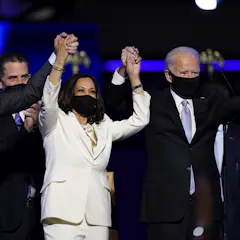
Scholars of race, foreign policy and the Supreme Court give their informed predictions of what to expect under a Biden administration.
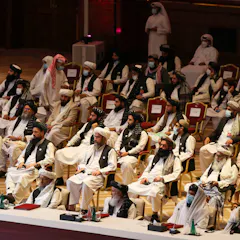
In February, the US signed an accord with the Taliban to end the Afghanistan War. Now Taliban insurgents are meeting with the Afghan government – but peace remains an uncertain outcome.
Top contributors
-

Professorial Fellow, University of Canberra
-
Director, Center for Afghanistan Studies, University of Nebraska Omaha
-
Tony Walker AM is a Friend of The Conversation.
Director, La Trobe University
-
Associate Professor of Political Science and Middle Eastern Studies, Indiana University
-
Professor of Anthropology, Emerita, Concordia University
-
Faculty Lecturer, Johns Hopkins University
-
Professor of Politics and International Affairs, Wake Forest University
-
Professor of Law, University of Waikato
-
Chair in Global Islamic Politics, Alfred Deakin Institute for Citizenship and Globalisation, Deakin University
-
Professor of International Security and War Studies, University of Southern Denmark
-
Associate Professor of International Relations and Women's, Gender, and Sexuality Studies, Stanford University
-
Education and Outreach Program Coordinator, University of Nebraska Omaha
-
Senior Professorial Lecturer of Global Governance, Politics and Security, American University School of International Service
-
Professor in The Division of Global Affairs and The Department of Political Science, Rutgers University - Newark
-
Assistant Professor of History, Penn State