
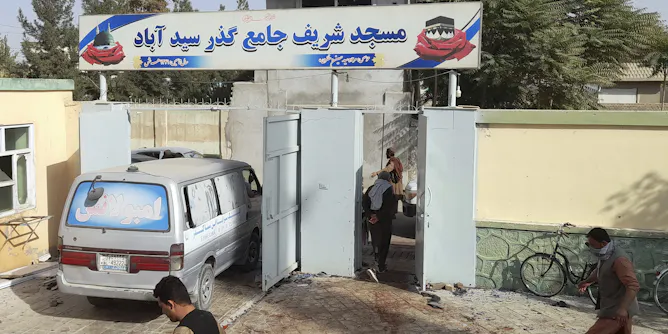
A scholar of Afghan affairs explains the religious affiliations of different ethnic groups in Afghanistan and why they may not share a common understanding of Islam.
Articles on Afghanistan
Displaying 141 - 160 of 439 articles

The Taliban say they won’t allow jihadi groups to flourish under their rule. But there is good reason to believe that al-Qaida, IS and other regional groups will benefit from the takeover.
The international community, particularly the music and music research communities, must stand with the Afghan musicians when it comes to protecting their cultural rights and human rights.
As the U.S. considers its own private refugee sponsorship program, it should look to Canada. History shows that large-scale adoption is possible and can bridge divides on immigration.
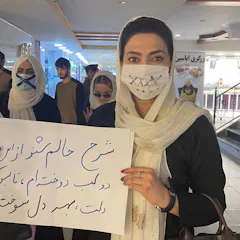
Two Afghan women scholars write about how Afghan women’s groups have been fighting for human rights, both now and historically.
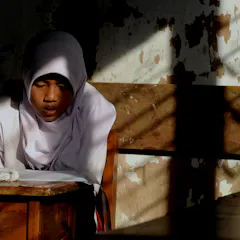
Indonesia can serve as an important model for the Taliban of how Muslim nations and faith-based organisations can play a big role in expanding girls’ education.

The Taliban’s punishments are at odds with many basic principles of Islamic law.
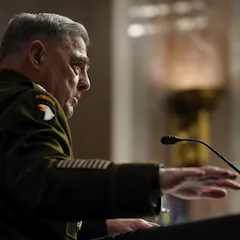
This summer’s disintegration of the Afghan government and continuing political turmoil in Iraq provide valuable lessons for the U.S. and its mission to impose democracy on the rest of the world.
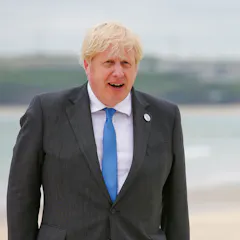
The image of a post-Brexit Britain with a strong international presence is being lost to the so-called special relationship.
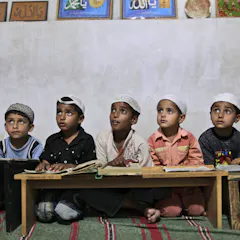
Madrassas don’t just provide an education that may lead to terrorism. They provide critical financial support to impoverished people.
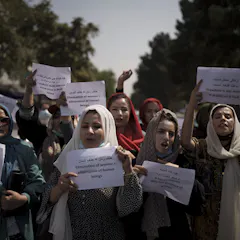
How can we reconcile competing claims that colonialism of any kind is detrimental with the view that Afghanistan has been failed by the West?
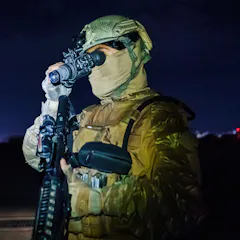
Despite efforts to prevent militant groups from getting weapons, they often get their hands on U.S. equipment and use it to attack American troops.

War rugs are more reflections of market forces than memorials to suffering.
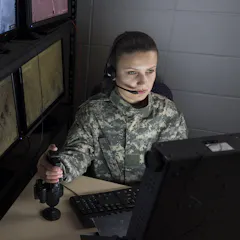
Drones are not the ethical, precise weapons they’re made out to be.
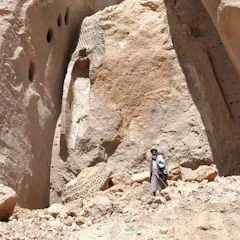
From 1996 to 2001, the Taliban outlawed almost all forms of art while looting and destroying museums. With their resurgence, Australia must strengthen measures to stop trafficking of antiquities.
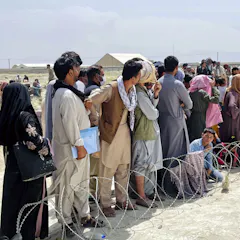
The dangerous situation faced by Afghans who want to flee, but can’t, shows how unwilling or unprepared the US and other countries are to deal with refugees.
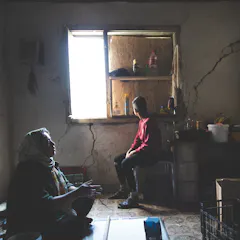
European leaders expressed solidarity with people trapped in Kabul with no reference to the people trapped in makeshift camps on its periphery.
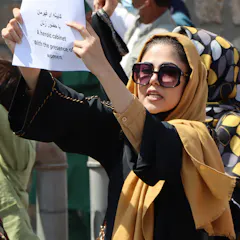
Segregation and other measures being introduced by the Taliban’s hardline new government are being greeted with widespread protests, many of them led by women.
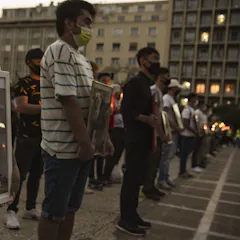
With the Taliban again in power in Afghanistan, minorities like the Hazara may have the most to lose.
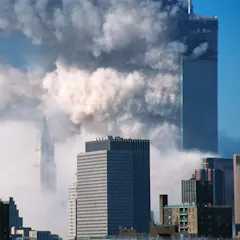
It was the day the US realised it was fighting a different kind of war.
Top contributors
-

Reader in Sociology, City St George's, University of London
-
Professorial Fellow, University of Canberra
-
Director, Center for Afghanistan Studies, University of Nebraska Omaha
-
Associate Professor, School of History and Philosophy, UNSW
-
ESRC Postdoctoral Fellow, School of Government and International Affairs, Durham University
-
Chair in Global Islamic Politics, Alfred Deakin Institute for Citizenship and Globalisation, Deakin University
-
Visiting Research Professor, The Senator George J. Mitchell Institute for Global Peace Security and Justice, Queen's University Belfast
-
Senior Research Fellow, Initiative for Peacebuilding, The University of Melbourne
-
Professor of Anthropology, Emerita, Concordia University
-
Non-resident Research Fellow, Graduate School of Development, University of Central Asia
-
Emeritus Professor of Middle Eastern Studies, Australian National University; The University of Western Australia; Victoria University
-
PhD Candidate, International Relations, Australian National University
-
Professor of Social Anthropology, University of Sussex
-
Professor of International Politics, Clinton Institute, University College Dublin
-
Assistant Professor of Political Science, Clemson University