

Adolescence lies between childhood and adulthood, but adolescents are neither big children nor little adults. They have increased food requirements to support their rapid physical growth and maturation.
Articles on Adolescence
Displaying 61 - 80 of 103 articles

How can scientific literature on interpersonal trauma help us better understand the impact of tragedy, especially on children who are still developing?

As Canada welcomes refugees from Afghanistan, we must take a moment to learn from the past. Communities across Canada need to be asking how they can be supporting young refugees in their integration.

Teens across millennia have yearned to explore, try new things and participate in risky behaviours. The key difference, however, seems to be the experience of a rebellion or restlessness.

Child-engaged research can facilitate new ways of listening to and supporting children as we move toward and through post-pandemic recovery.

New data suggests that lots of time on screens may even improve peer relationships. But the study comes with caveats.

Suspensions don’t just harm Black children – they also harm their parents’ employment, a school discipline expert argues in a forthcoming book.
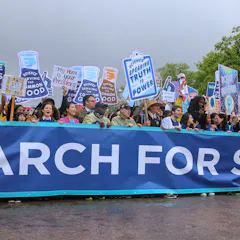
The changes that society needs, such as preventing adolescent pregnancies, will not happen until researchers can use their findings to influence policy change.

Research on the brain’s development could help explain why mental health problems often arise first during adolescence.

Positive experiences in romantic relationships can improve communication skills and conflict management skills.
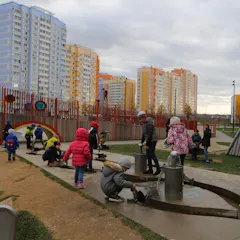
This decades-long study found that living in poorer communities changes how genes are regulated.

Exam revision and parties are a traditional part of growing up.

Understanding others’ emotions is a crucial social skill. Counter to concerns about screen time stunting kids’ development, one study suggests they’re getting better at recognizing emotion on screen.

Experts recommend adopted children be told about their origins, no matter how difficult the circumstances, but doing so is tricky for adoptive parents.

Dogs can behave like teenagers too. But it’s just a passing phase – and the quality of the dog-owner relationship matters.

Together the social and emotional ‘jobs’ of adolescence – developing intimate friendships and achieving autonomy – make teens uniquely resistant to calls for social distancing.

As many as 100,000 US adolescents currently spend at least part of the year in these therapeutic or disciplinary programs.
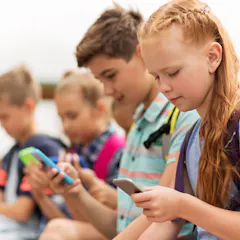
If you’re thinking about a smartphone, talk with your parents.
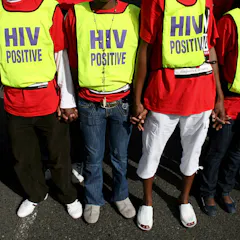
There’s an urgent need for interventions to increase uptake of antiretroviral therapy and improve services for adolescents.
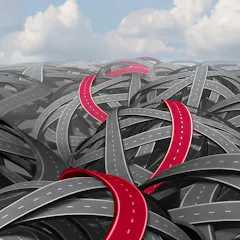
If you thought this was about boring box-ticking chats before you leave school for the last time, think again.
Top contributors
-

Senior Lecturer in Humanities, University of Southern Queensland
-
Professor of Psychology, San Diego State University
-
Scientia Professor and Professor of Educational Psychology, UNSW
-
Assistant Professor of Psychology, Wayne State University
-
Founder and Executive Director of the Center for Scholars & Storytellers and Assistant Adjunct Professor in Psychology, University of California, Los Angeles
-
Associate Professor at the Health Services Management Centre, University of Birmingham
-
Visiting Clinical Research Fellow in older people's substance use and mental health, King's College London
-
Ph.D. Student in Psychology, Yale University
-
Senior research fellow, Murdoch Children's Research Institute
-
Assistant Professor of Management/Family Business, University of Hawaii
-
Associate Professor, Principal Research Fellow, The Australian Research Centre in Sex, Health and Society, La Trobe University
-
Professor of International Development and Director, Young Lives, University of Oxford
-
Professor of Psychiatry & Psychology, University of California, Los Angeles
-
Associate Professor of Psychology, University of Oregon
-
Senior Research Fellow, Jean Hailes Research Unit, School of Public Health & Preventive Medicine, Monash University