
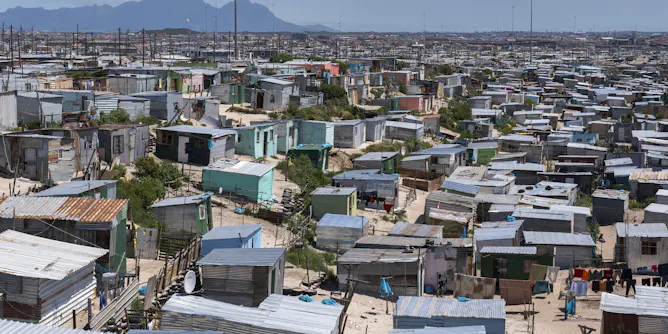
Trevor Ngwane, an activist and academic, shows how structures that emerged in the struggle against apartheid continue in democratic South Africa, now in conflict with the ruling ANC.
Articles on Accountability
Displaying 81 - 100 of 164 articles

South Africa’s public sector works somewhat better than those of most other middle-income countries. Yet, unlike them, it has not managed to achieve gains in the midst of messiness.
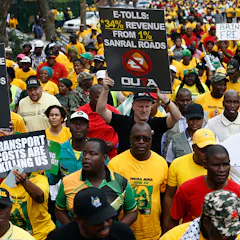
In this moment of crisis, South Africa urgently needs decisive action. But all too often South Africans of all political stripes seem trapped in stale discourses.

Cancel culture has exploded due to social media’s amplifying powers, society’s deep divisions and difficulties redressing longstanding inequities.
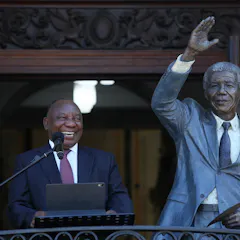
The extent to which presidents adhere to the constitutional written code will have profound implications in relation to their use of executive power.
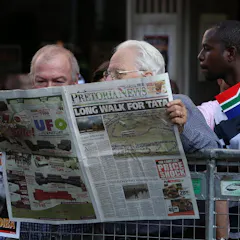
Tighter controls are not the answer; the opportunity should be used to think differently about trust and journalism. It is critical to enable audiences to distinguish reliable, verified information.
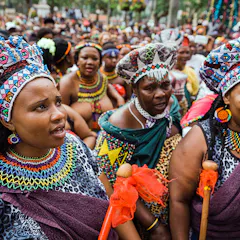
Denying people the right to opt out of the traditional court system conflicts with the notion of customary law as a voluntary and consensual system of law.

A responsible approach to the use of artificial intelligence by government requires transparency. The Canadian government’s use of AI in making immigration decisions warrants further investigation.

In the wake of anti-Asian violence in North America, we need to demand accountability and not just stop after performing mental health check-ins.
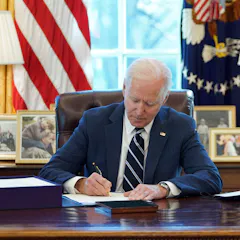
While democracy requires accountability from presidents, presidents may lose stature, not gain it, by holding a press conference.

The Constitutional Court described Zuma’s lack of cooperation with the commission as “reprehensible”.
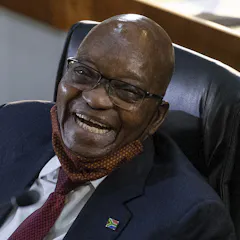
Zuma shares ignominy with former US president Donald Trump who, like him, subverted democracy while in office.
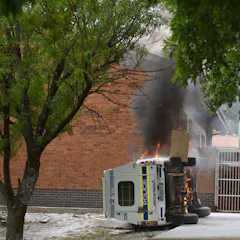
There are individual activists and political groupings who believe violent action is legitimate and use the circumstances to actively drive such behaviour.
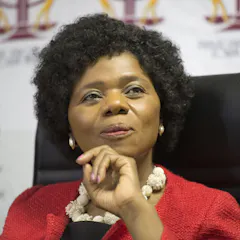
The first of a series of fatal flaws in the idea is about where to draw the line.

On paper, WE Charity could have been the best partner to implement the federal government’s student grant program. But the failure to be transparent eroded the public’s trust and led to its demise.
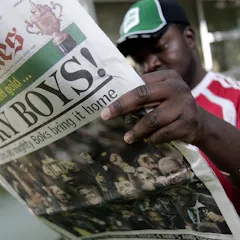
Media self-criticism is not just important to improve journalism, it is a political, professional and moral imperative.
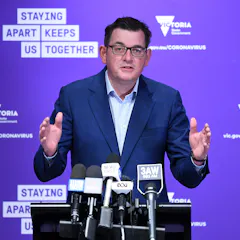
The way the media cover disasters tends to follow a similar trajectory, and the COVID-19 crisis is no exception.
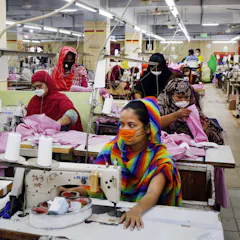
Coronavirus has revealed the extreme plight of Bangladeshi factory workers.
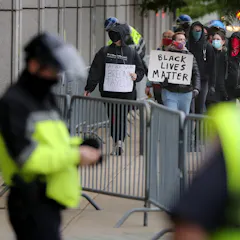
Across the United States, police are shielded from both public and departmental accountability by multiple layers of contractual and legislative protections.
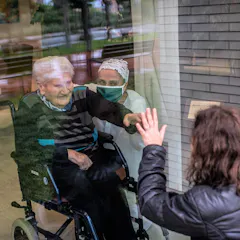
Nearly half the states have reduced liability for health care providers at a time when nursing home regulation is declining and families can’t visit loved ones for fear of spreading the coronavirus.
Top contributors
-

Chief Research Specialist in Democracy and Citizenship at the Human Science Research Council and a Research Fellow Centre for African Studies, University of the Free State
-
Adjunct Professor, National Centre for Australian Studies, Monash University
-
Senior Lecturer in Law, Charles Sturt University
-
Political Scientist, University of the Western Cape
-
Professor of the Practice of International Development, Johns Hopkins University
-
Professor Emeritus of Public Law, University of Cape Town
-
Democracy Deputy Program Director, Grattan Institute
-
Professor of Law and Adjunct Professor of Political Science, Wayne State University
-
Research Director: Developmental, Capable and Ethical State (DCES) research division, and Coordinator of the South African Social Attitudes Survey (SASAS), Human Sciences Research Council
-
Assistant researcher, University of Sydney
-
Chief executive officer, Grattan Institute
-
Emeritus Associate Professor in Public Law, UCT. Visiting Adjunct Professor, WITS School of Governance; Director, Africa Programme, University of Cambridge Institute for Sustainability Leadership, University of Cambridge
-
Associate Professor, Faculty of Law, Monash University
-
Assistant Professor of Government, Smith College
-
Associate Professor, Grady College of Journalism and Mass Communication, University of Georgia