

Academics described their universities as exploitative, oppressive, toxic and fiscally driven. They felt themselves being dehumanised and demoralised by management. Most reported feelings of burnout.
Articles on Academic workload
Displaying all articles

When working from home, women struggled more than men to find time for the sustained effort needed to produce good, publishable research. Lack of thinking time is a problem for all knowledge workers.

Changes to National Employment Standards have done little for casual staff hoping for conversion to ongoing positions. A comprehensive review of university work and employment is long overdue.

When academics were asked to draw, write and reflect on their career journeys, the results were revealing. While men were free to focus on their careers, the picture was more complicated for women.

Academics in all areas have deep concerns about their ability to undertake research during the pandemic and the flow-on effects of this. Women and early career researchers were particularly hard hit.

The pandemic is forcing many academics to consider their future. These are tough times for universities and many have lost jobs, but those fortunate enough to have a choice should weigh up all options.

The rejection culture of academia is damaging. Rejections are inevitable, but there are better ways of managing the process that don’t leave individuals to bear the whole burden of coping.

Researchers will struggle to meet universities’ expectations of engagement beyond academia until this work is better recognised as part of their duties.

Having to do engagement and impact assessments may feel like the last straw for weary and time-poor academics. But thinking about these things can underpin research excellence.
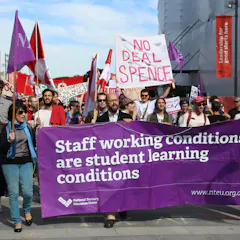
Academics feel insecure, are overwhelmed by unmanageable workloads and burdened by bureaucracy. And things are only getting worse.
Top contributors
-

Assistant Professor, Education, Nagasaki University
-
Adjunct Associate Professor, School of Human Serivces and Social Work, Griffith University
-
Associate Professor, Ethics and Labour Relations, University of Regina
-
Professor of Belonging Science, School of Educational Psychology and Inclusion, Faculty of Education, Monash University
-
Honorary Senior Fellow, Melbourne Centre for the Study of Higher Education, The University of Melbourne
-
Associate Professor, Taylor's University
-
Professor of Community Health and Wellbeing, The University of Queensland
-
Professor of Gender, Work and Employment Relations, ARC Future Fellow, Business School, co-Director Women, Work and Leadership Research Group, University of Sydney
-
Laurie Carmichael Distinguished Research Fellow at the Centre for Future Work, Melbourne; and Professor Emeritus, Griffith Business School, Griffith University
-
Professor and Executive Dean, School of Business and Law, Edith Cowan University
-
Head, Research & Development - Arts & Social Sciences, University of Sydney
-
Dean, Murdoch Business School, Murdoch University
-
Senior Lecturer, Employment Relations, Griffith University
-
Professor of Counseling, Clinical and School Psychology, University of California, Santa Barbara
-
Professor, Environment and Development Sociology, The University of Queensland