
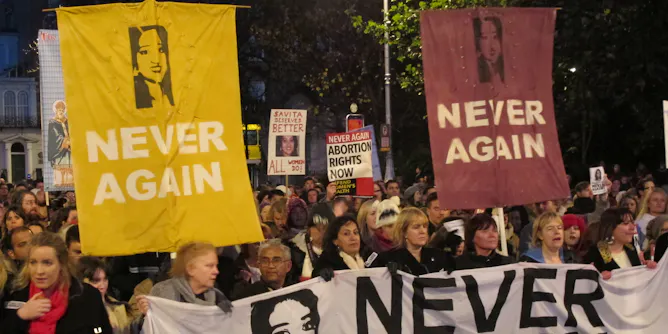
In 1983, a constitutional referendum outlawed abortion in Ireland. In 2018, another referendum repealed the ban and legalized abortion during the first trimester of pregnancy. What happened?
Articles on Abortion access
Displaying 21 - 36 of 36 articles
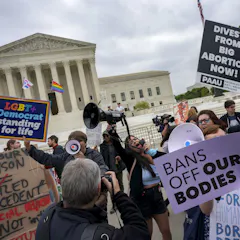
25 states aren’t expected to ban abortion if the Supreme Court overturns Roe v. Wade. But limits on abortion in these places, too, make it an uncertain refuge for people seeking abortions elsewhere.

We need more health workers and public hospitals to provide abortions, a common and essential health service.
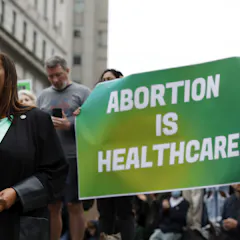
The end of Roe v. Wade would dramatically impact reproductive rights in the US. It would also likely have symbolic consequences globally.

During the pandemic, health care providers began prescribing abortion pills without requiring in-person exams. This practice could help people access the care they need when abortion rights are in limbo.

Pandemic-related travel restrictions and facility closures initially jeopardized access to abortions, but the pandemic has also become a catalyst for more accessible ways to deliver abortion care.
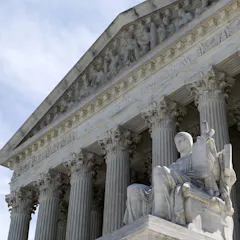
The big case is about abortion, but there are other very important issues before the Supreme Court – including gun rights and government funding for religious schools.

Telemedical abortions are safe and ensure access for all those who may need treatment.
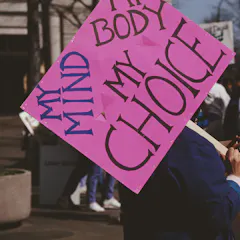
The abortion rights debate has moved on from freedom to choose – it is now about having available options, a bioethicist writes.
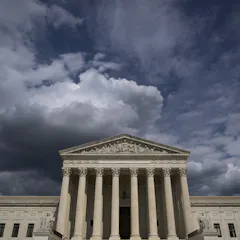
Over the past 48 years, women in the US have married later, attained higher education and joined the workforce in record numbers. Could a conservative Supreme Court turn it all back?

English and Welsh governments are consulting the public about whether they should revoke temporary abortion rules.

Hollywood continues to dramatically exaggerate the medical risks associated with abortion while downplaying barriers to access.
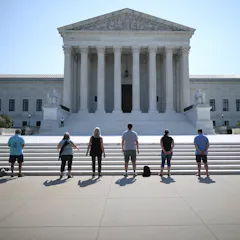
People who object to the landmark 1973 Roe v. Wade ruling legalizing abortion have fought it for years. A recent Supreme Court decision makes the fight much easier.

Seven states are moving to ban abortions, along with other ‘elective’ medical services, during the coronavirus crisis. But delaying or denying abortions can do serious health and financial harm.

Doctors who won’t perform abortions on religious grounds may have stronger legal protection and may not be compelled to refer women to an alternative provider. Here’s why that’s bad news for women.
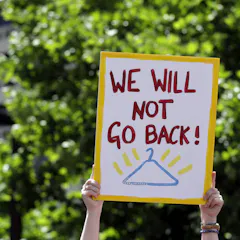
Young, poor, single and a mother of two: This is the profile of most women in the US and Northern Ireland who seek financial assistance to help pay for an abortion.
Top contributors
-

Professor of Social Welfare, Stony Brook University (The State University of New York)
-
Professor of Law, The University of Texas at Austin
-
Professor of Law, University of Virginia
-
Professor of Law, George Washington University
-
Assistant Professor of Psychology, San José State University
-
Professor of Psychology, University of California, Los Angeles
-
Associate Professor of Pediatrics, University of Cincinnati
-
Researcher, University of California, San Francisco
-
PhD, School of Nursing, Dalhousie University
-
Professor of Philosophy, University of Southampton
-
Lecturer, Massachusetts Institute of Technology (MIT)
-
Associate Professor of Nursing, UMass Lowell
-
Associate Professor of Psychology, University of California, Los Angeles
-
Research Sociologist, University of California, San Francisco
-
Postdoctoral Fellow, Obstetrics and Gynaecology, University of British Columbia