
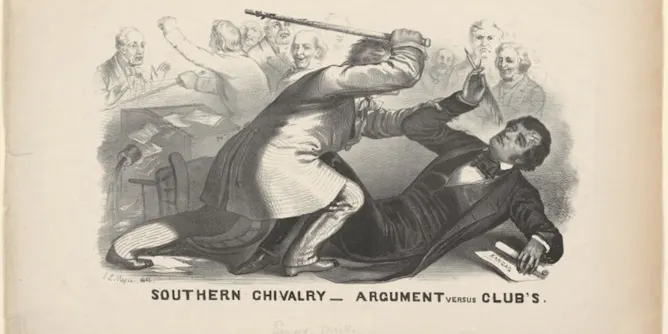
The beating of Sen. Charles Sumner in 1856 by Rep. Preston Brooks over a speech against slavery sparked a nationwide debate over free speech, political violence and the relationship between the two.
Articles on abolitionism
Displaying all articles
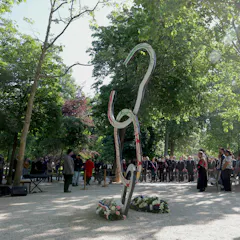
Decades before the United States, France outlawed slavery during the French Revolution – only to see it reimposed by Napoleon within a decade.
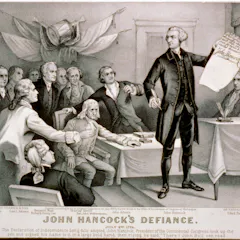
US charitable institutions rapidly changed in the 1780s as Americans established groups to support people in need and to reform society.
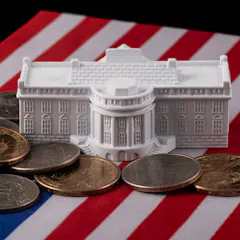
US coins showcase American identity and public memory through their designs. The America 250 coins just unveiled reflect the nation’s divided politics and history.

Canada’s criminalization framework continues to undermine sex workers’ safety and exclude their voices from shaping laws that govern their lives.
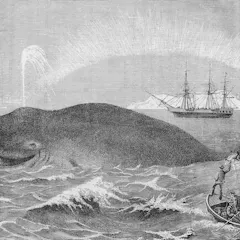
New research shows that when the whaling industry in the US produced more products, the proportion of slaves also declined in the 1700s and 1800s.
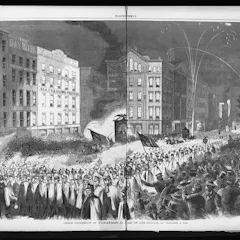
The most politically divided time in US democracy coincided with a boom in new communications technologies, confrontational political influencers and widespread disinformation. It wasn’t 2024.
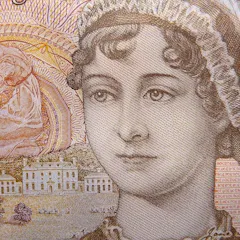
The author of ‘Pride and Prejudice’ and other classic novels used the words ‘slave’ and ‘slavery’ nearly a dozen times in her books.
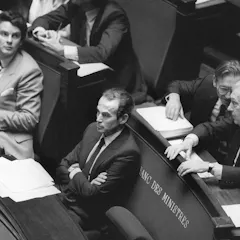
The death in February of the man who abolished the death penalty inspired a national homage in France. Yet, Robert Badinter remains little known outside of the country.
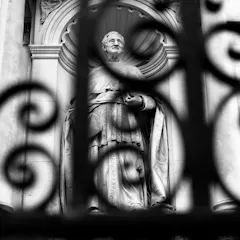
Many Catholic schools in Britain retain the name John Henry Newman, despite his opposition to abolishing slavery.
Too often police forces are the only agency expected to respond to an emergency, particularly out of hours. Mental health services need better funding to support people properly.
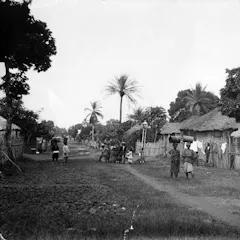
Africans should get more credit for the abolition of the slave trade.

He was an important philosopher, mathematician and social reformer of his time. But Richard Price was subsequently written out of history.
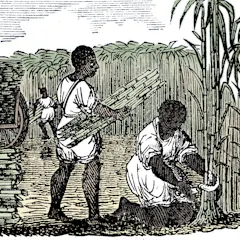
Before the Civil War, US activists sought to combat slavery through sugar boycotts. Instead, consumption grew.
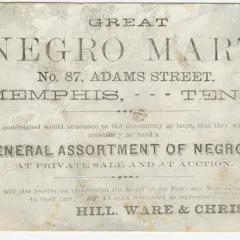
By the time slavery ended, over 1 million enslaved people had been forcibly moved in the domestic slave trade across state lines. Hundreds of thousands more were bought and sold within states.

Riots by proslavery forces raged for three days in the nation’s capital after the capture of a ship bearing fugitive enslaved people. The president, a slaveowner himself, tried to calm the city.
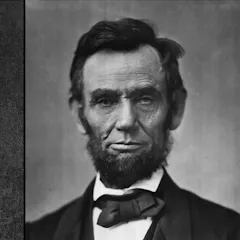
President Lincoln was a statesman. John Brown was a radical. That’s the traditional view of how each one fought slavery, but it fails to capture the full measure of their devotion.
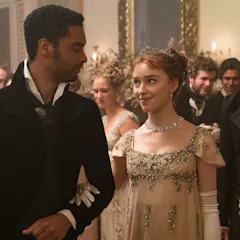
‘Bridgerton’ alludes to and obscures social, racial and political tensions in England’s Regency era, the extraordinary decade that marks the dawn of the modern world.
Top contributors
-

Professor of History, Arizona State University
-
Reader in Political Philosophy, Cardiff University
-
Research Professor of Government, American University
-
Visiting Honors Lecturer, Southern Illinois University Edwardsville
-
Director, Centre for African Studies, University of Cambridge
-
Professor of History, Virginia Tech
-
British Academy Global Professor, Queen's University, Ontario
-
Associate Professor of Civic and Economic Thought and Leadership, Arizona State University
-
Postdoctoral Research Fellow, University of York
-
Historian of justice and law , Institut catholique de Lille (ICL)
-
Professor of History, University of South Wales
-
Professor of History, University of Alabama
-
Regents Professor of English, Arizona State University
-
Political History Curator, Smithsonian Institution
-
Associate provost, professor of politics, University of San Diego