
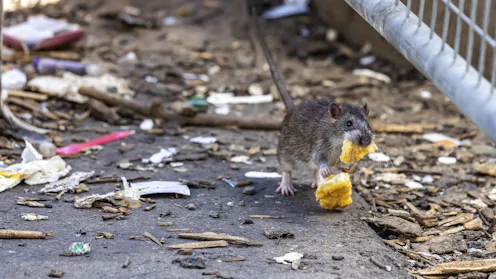
Weak surveillance and climate change could allow deadly hantaviruses to spread unnoticed across African countries, raising the risk of future outbreaks.
- Head: Division of Medical Virology, Stellenbosch University
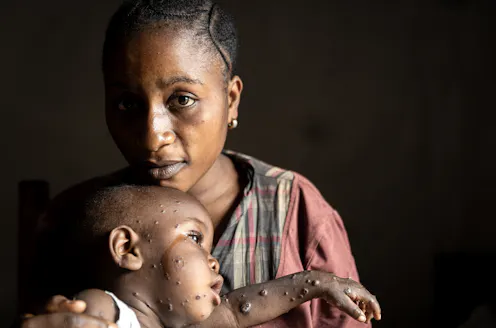
Virologist Wolfgang Preiser and paediatrician Ndia Sam-Agudu talk to The Conversation Weekly podcast about the latest mpox epidemic and how the disease has been ignored in Africa.
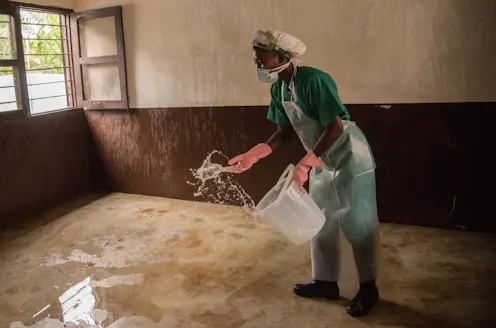
El sistema sanitario mundial tiene que despertar a la realidad de que un brote en una parte del mundo es motivo de preocupación para todos.
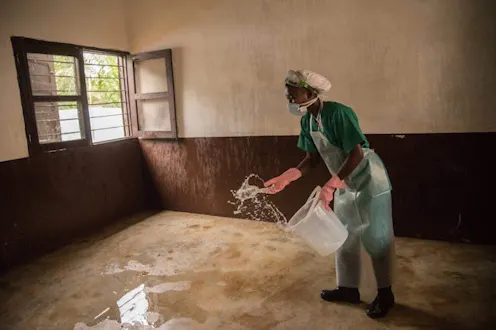
Le système sanitaire mondial doit se rendre compte qu'une épidémie dans une partie du monde est une préoccupation pour tous.
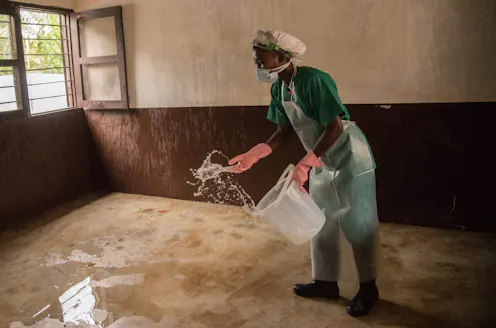
The global health system needs to wake up to the reality that an outbreak in one part of the world is a concern for everyone.
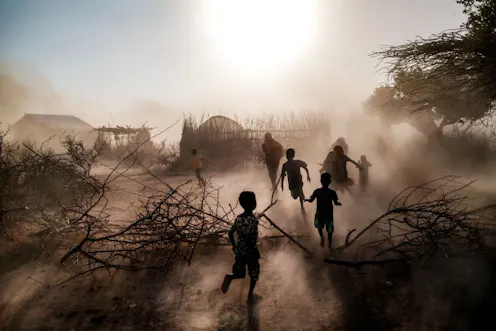
Heat, floods and droughts create conditions for pathogens and their vectors.

Une nouvelle lignée de SARS-CoV-2, B.1.1.529, a été identifiée. Baptisée Omicron par l’OMS, qui l’a catégorisé « préoccupant », ce variant a un profil génétique très différent des précédents.
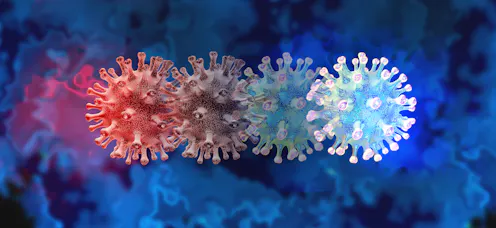
There’s a new COVID lineage called B.1.1.529. It has a genetic profile very different from other circulating variants
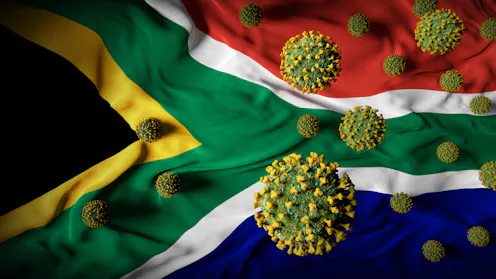
We are being cautious about the implications for vaccine efficacy and transmissibility while we gather more data to understand this lineage.
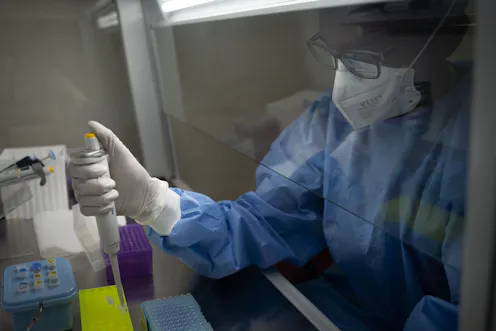
Pooled testing, or group testing, has been used to diagnose relatively rare conditions, such as infection in blood donors. It could be used for universal early infant diagnosis and viral load testing.
Contact Wolfgang for
- General
- Media request
- Speaking request
- Consulting / Advising
- Research collaboration
- Research supervision
- Article Feed
- ORCID
- Joined
