
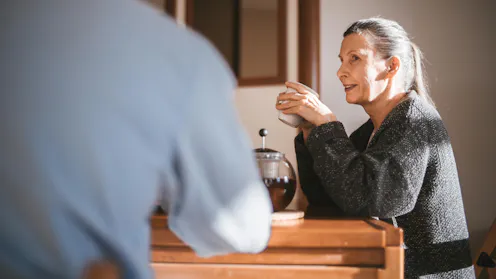
A new report shows insecure and unaffordable housing among older Australians affects their health and finances, with private renters and women most exposed.
- Professor of Housing & Social Policy, HHAUS Housing, Homelessness & Urban Studies, Swinburne University of Technology
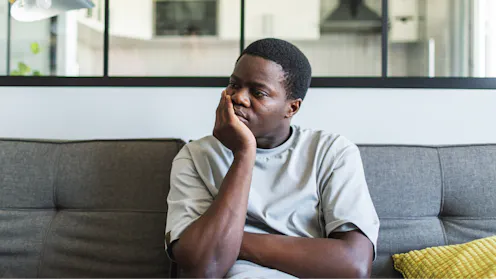
For young adults, unmet housing aspirations can affect identity, mental health and wellbeing, and their ability to plan for the future.
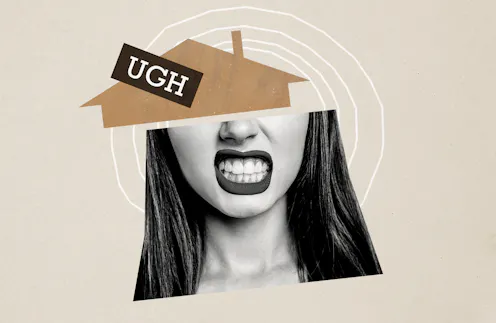
New research has revealed Australia’s housing barriers are changing the traditional life course many young people are expected to follow.

Sharehousing is becoming more crucial as the rental crisis rages on, and not just for young people. It’s time to look at how housing policy can be fairer for sharehouse renters.
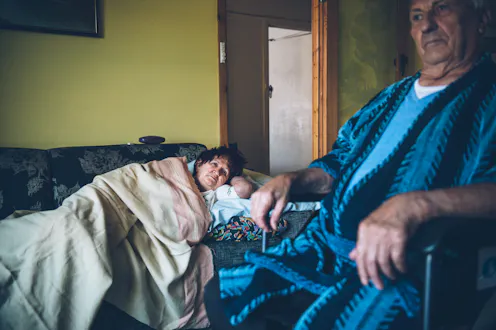
An ageing population is caught in a perfect storm of rising house prices and rents, falling home ownership rates, mortgage debt carried into retirement, insecure rentals and a lack of social housing.
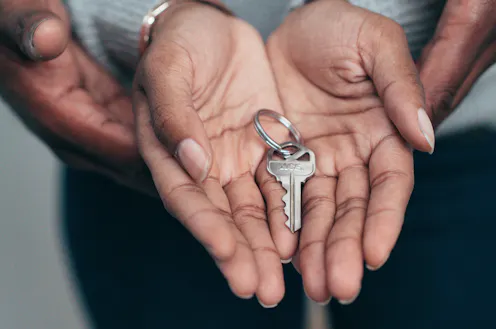
New research shows discrimination against Aboriginal Victorians in the private rental housing market is systemic, but there are solutions.
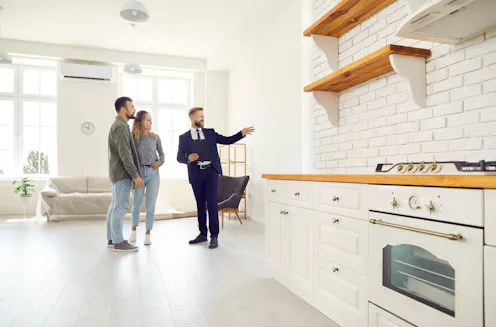
Investing in housing means providing a home. National tenancy reforms are reshaping the role of landlords to reflect this responsibility.
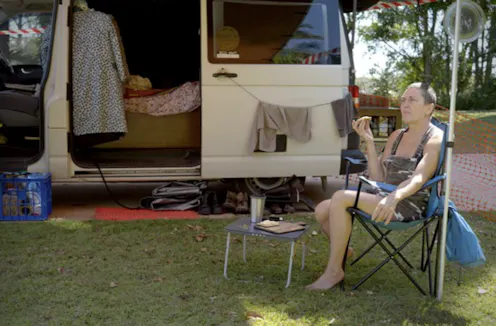
A new Australian documentary gives voice to the women in urgent need of policy action on housing insecurity and homelessness.

With close to 2.5 million people now living in apartments and a third of households renting their homes, there is a need for consistent, fair and pet-supportive housing policies across the country.
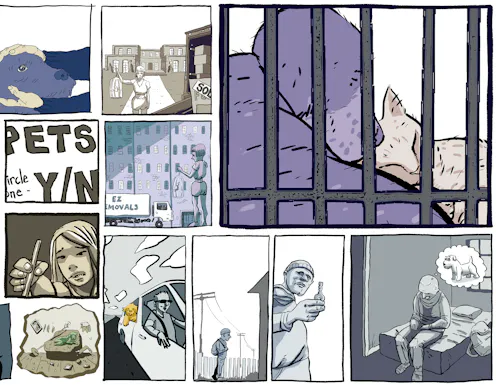
Trying to find housing can be a nightmare for pet owners, especially those who need it in a crisis. The inconsistencies from state to state and between different forms of housing demand reform.
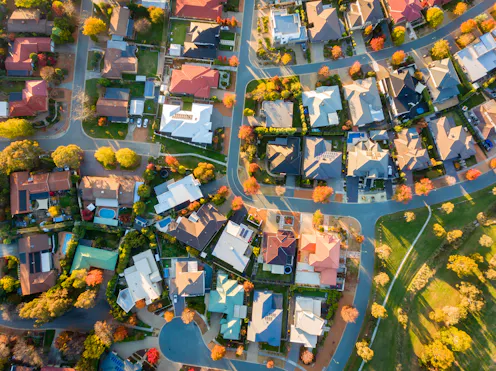
Surveys with householders showed they want safety and security. Post-COVID that desire will be even stronger.

You’d think falling housing prices might help people on low incomes, but history shows downturns often increase inequality. And many buyers who took out big loans during the housing boom are at risk.
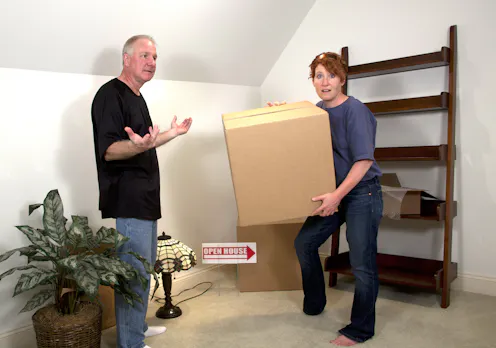
While a majority of householders over 55 have thought about downsizing, only one in four have done it. What’s stopping them? Most simply can’t find a home in the right place that meets their needs.
The housing aspirations of young Australians change as they enter their late 20s and early 30s. But having somewhere safe and secure to call home is the top priority for all young adults.
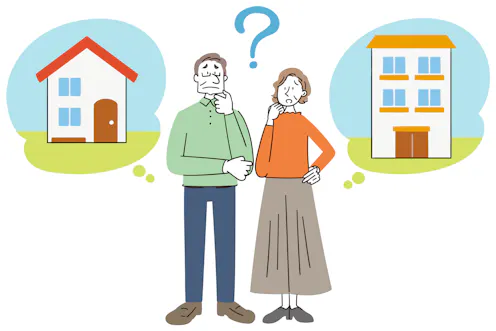
Most older Australians want to live in a home they own, preferably in the middle and outer suburbs of a city. But increasing numbers look unlikely to realise their housing aspirations.

Australian cities are world-leading – in the worst sense – for resource use and greenhouse emissions. China-born residents have embraced these consumption patterns, which is bad news for the planet.
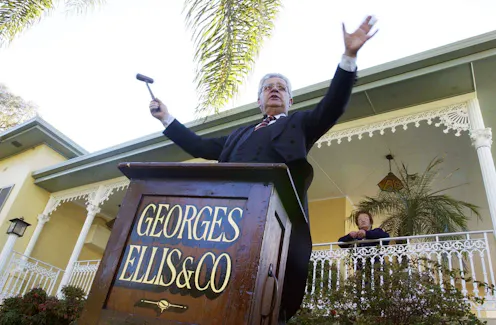
The Productivity Commission neglected the impact of housing costs. After allowing for these costs, the top 10% of households’ average disposable income grew at 2.7 times the rate of the bottom 10%.

The latest 2016 Census data assesses what the national home ownership and rental rates are and how these vary location. It also gives us a picture of mortgage and rental costs.
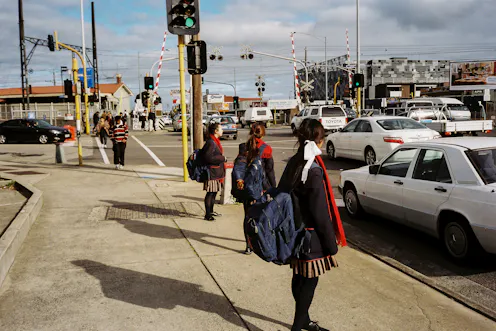
With the winding back of government support for housing, ‘gateway’ suburbs that have in the past accepted and supported recent immigrants are becoming increasingly unaffordable.
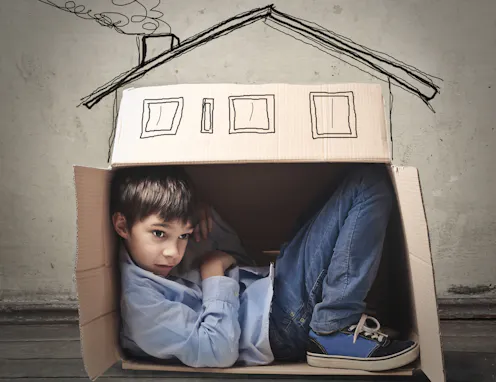
Many children are living in low-income families that struggle to pay the rent to keep a roof over their heads. Unaffordable housing is fuelling childhood poverty, so where is the policy response?
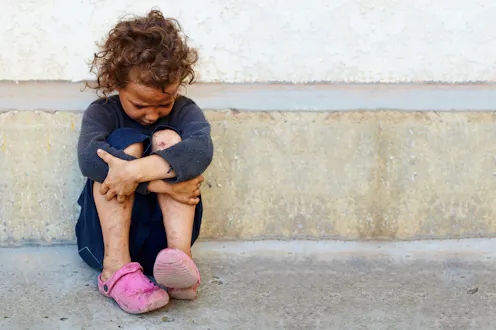
Income poverty statistics tell us relatively little about why Australian children live in poverty, or how to alleviate it. But housing plays a critical part in the problem.
Contact Wendy for
- General
- Media request
- Speaking request
- Consulting / Advising
- Research collaboration
- Research supervision
- Location: Melbourne
- Website
- X (formerly Twitter): @ProfWendyStone
- Article Feed
- ORCID
- Joined
