
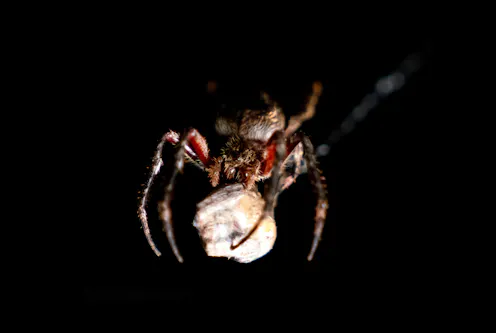
Bright lights at night may alter the brains of nocturnal arachnids, our new study shows. And we’re only just learning what this means for our ecosystems.
- Professor in Evolution and Behaviour, The University of Melbourne
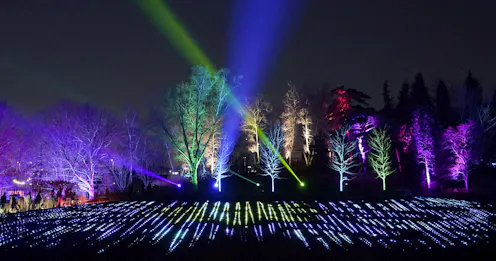
A Harry Potter nightwalk experience at a wildlife sanctuary on the Mornington Peninsula has raised concern for wildlife. Evidence suggests the fears are well-founded.
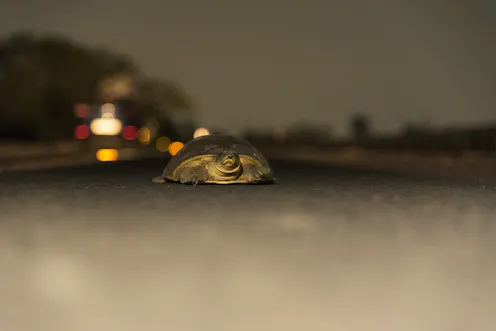
While artificially illuminating the night allows humans to make use of the the night, in doing so we catastrophically change the environment for all other species. How can we fix this?
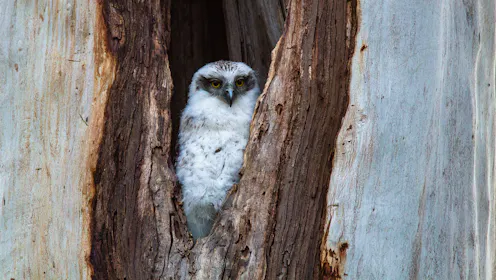
Powerful owls need old, hollowed-out trees to nest in, but humans keep chopping them down. Now, designers have partnered up with ecologists to build them high tech artificial nests.
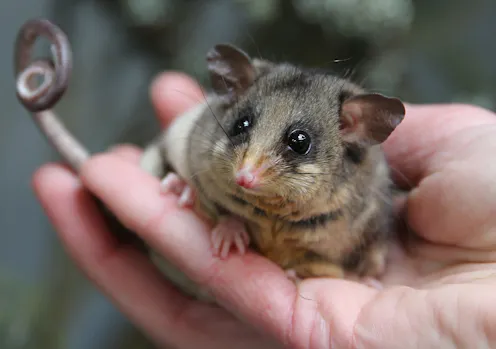
Billions of bogong moths are setting out from Queensland, but not reaching Victoria. We need citizen scientists to help figure out where they’re ending up.

Crickets are nothing if not noisy, but populations on two Hawaiian islands have embraced silence by rapidly losing sound-producing wing structures to avoid infestation by deadly fly larvae. In Current…
Contact Therésa for
- General
- Media request
- Speaking request
- Consulting / Advising
- Research collaboration
- Research supervision
- Location: Melbourne, Australia
- Website
- X (formerly Twitter): @urbanlightslab
- Article Feed
- Joined
